Bowling Alley Construction: MLV Requirements & Building Codes
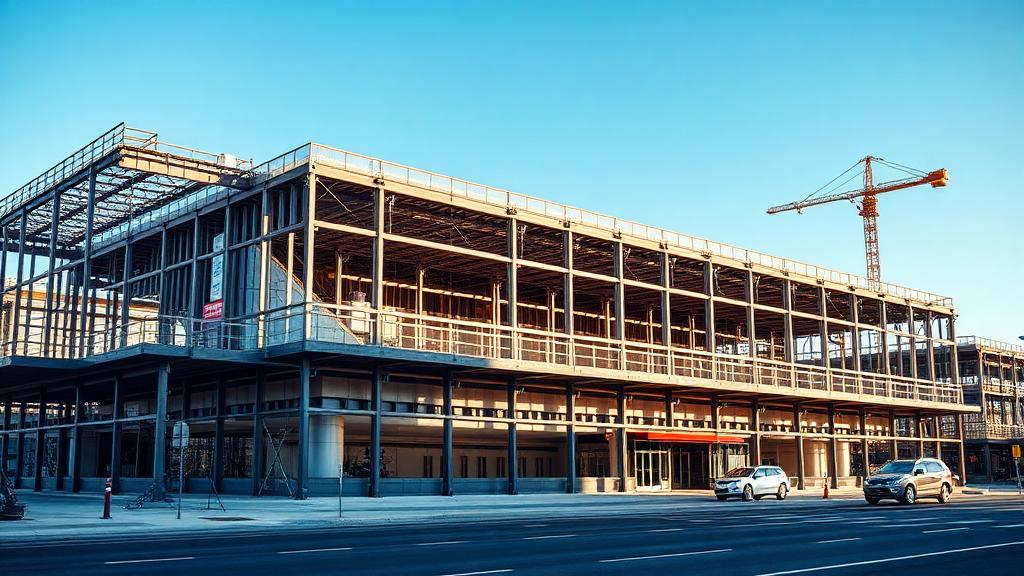
1Why Bowling Centers Present Unique Acoustic Challenges
The Physics of Pin Crash Noise
• Frequency content: Pin crashes produce broadband noise from 63 Hz to 4 kHz, with significant energy in the 125-500 Hz range that's hardest to block
• Impact duration: Each pin fall creates a 200-400 millisecond impact event that repeats 30-60 times per hour per lane
• Cumulative effect: A 24-lane center at capacity experiences nearly continuous impact events creating sustained high noise levels
• Ball return machinery: Ball return systems add 75-85 dB mechanical noise that compounds the pin crash challenge
Structure-Borne Sound Transmission
• Steel frame paths: Structural steel efficiently conducts low-frequency vibration to remote building areas
• Adjacent tenant complaints: In mixed-use buildings, pin crash vibration is felt and heard in spaces seemingly far from lanes
• Upper floor issues: Bowling alleys on lower floors transmit impact noise to spaces above despite floor/ceiling assemblies
• Equipment vibration: Ball return machinery and pinsetters add continuous mechanical vibration to impact events
Modern Entertainment Center Complexity
• Private party rooms: Birthday parties and corporate events need speech privacy from lane noise
• Arcade areas: Electronic game noise compounds the overall acoustic challenge
• Lounge seating: Premium lane areas with upholstered seating expect reduced noise exposure
• Operating hours: Extended hours create noise concerns with residential neighbors during evening and weekend operation
2IBC and Building Code Requirements for Entertainment Venues
Occupancy Classification
• Mixed occupancy: Combined bowling/restaurant facilities may require A-2 (food/drink) separation requirements
• Occupant load: Large centers may trigger high-rise or special assembly provisions
• Egress requirements: Assembly occupancy egress affects partition placement and door locations
• Sprinkler requirements: Assembly occupancies typically require fire sprinkler systems throughout
Fire-Rated Separations
• Tenant separations: Multi-tenant buildings require fire-rated demising walls that also need acoustic performance
• Corridor requirements: Rated corridors in some configurations require fire-rated doors affecting acoustic design
• MLV compatibility: Quality MLV products are tested in fire-rated assemblies and contribute mass without compromising ratings
Sound Transmission Requirements
• Noise ordinances: Property line noise limits effectively mandate sound isolation even without STC requirements
• ADA considerations: Assistive listening requirements imply reasonable background noise levels
• Adjacent occupancy: Office, retail, or residential neighbors may trigger noise isolation requirements
• Lease requirements: Commercial leases often specify STC requirements between tenants
Vibration and Impact Requirements
• Equipment isolation: Mechanical codes may require vibration isolation for heavy equipment
• Structural considerations: Unusual impact loads may trigger structural engineering review
• Foundation design: Slab isolation may be required to prevent vibration transmission to adjacent properties
3Pin Crash Impact Noise: The Dominant Challenge
Sound Level Analysis
| Location | Peak SPL | Average SPL (Active Play) |
|---|---|---|
| At pin deck (5 ft) | 115-120 dB | 95-100 dB |
| Approach area (15 ft) | 100-110 dB | 85-90 dB |
| Seating area (30 ft) | 90-100 dB | 80-85 dB |
| Adjacent room (through STC 45 wall) | 60-70 dB | 45-55 dB |
| Adjacent room (through STC 60 wall) | 45-55 dB | 35-45 dB |
Target Noise Levels by Space
• Restaurant/bar: 65-75 dBA allows comfortable conversation at normal voice levels
• Party rooms: 55-65 dBA background with speech privacy from adjacent lanes
• Office/admin: 45-55 dBA for typical business communication
• Property line: Often 55-65 dBA daytime, 45-55 dBA nighttime per local ordinance
Wall Assembly Requirements
• Lane to party room: STC 50-55 for acceptable speech privacy during events
• Lane to exterior: STC 55-65 depending on distance to property line and nighttime limits
• Pin deck to back-of-house: STC 50-55 to protect office and storage areas
Low-Frequency Considerations
• MLV advantage: Adding 1-2 lb/sf MLV Pro significantly improves low-frequency STC performance
• Double-wall construction: Decoupled double-stud walls with MLV achieve best low-frequency isolation
• Resilient mounting: Resilient channels or clips help but add complexity vs. adding MLV mass
Recommended for Bowling Centers
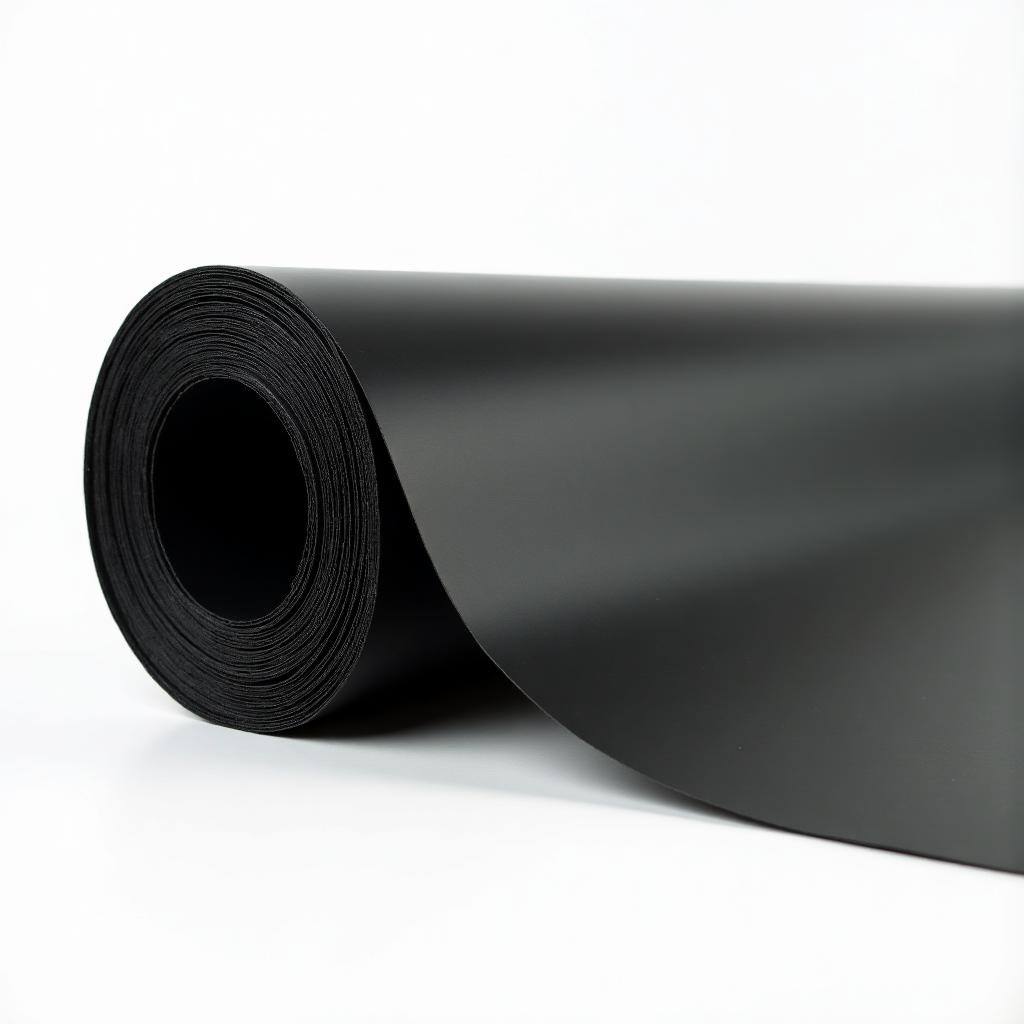
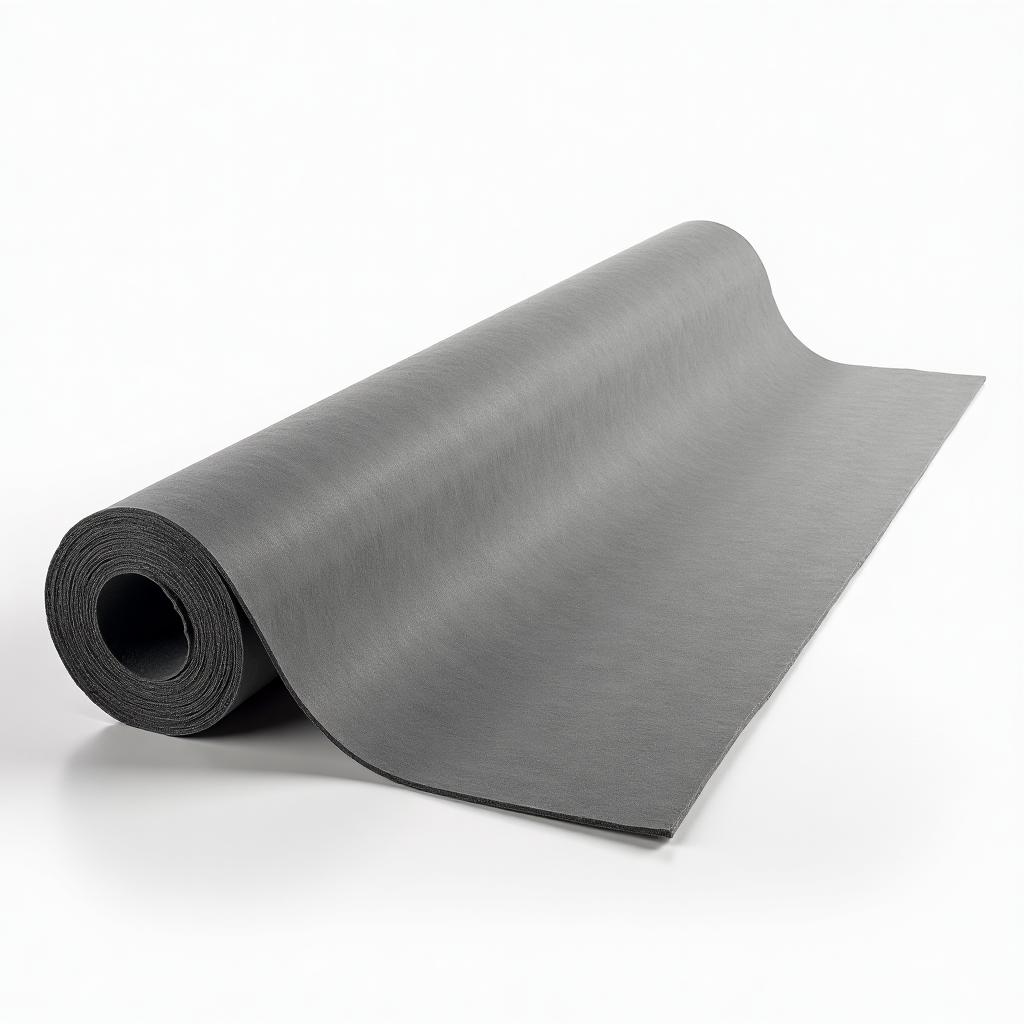
For pin crash noise with heavy low-frequency content, our highest-density product delivers maximum sound blocking.
Shop MLV Pro — 1.1 lb/sq ft, STC 33 →4Lane Vibration and Structure-Borne Sound
Sources of Structure-Borne Vibration
• Ball drop: Bowlers dropping balls on approach surface creates localized impact
• Pinsetter machinery: Automated pinsetters generate continuous mechanical vibration
• Ball return: Underground ball return systems transmit machinery vibration through slab
• HVAC equipment: Large air handling units add to overall vibration load
Vibration Isolation Strategies
• Equipment isolation: Pinsetters and ball returns mounted on vibration isolators
• Slab isolation: Housekeeping pads or floating slabs separate bowling equipment from building structure
• Structural breaks: Expansion joints or isolation joints separate bowling area from adjacent spaces
Floor/Ceiling Assemblies
• Concrete thickness: Thicker structural slabs provide mass to reduce vibration transmission
• Suspended ceilings: Resiliently-hung ceilings with mass (including MLV) isolate spaces above
• Combination approach: Both floor isolation and ceiling treatment typically required
Adjacent Tenant Protection
• Isolation joints: Sawcut or formed joints reduce but don't eliminate transmission
• Wall isolation: Resilient wall connections prevent wall-transmitted vibration
• MLV ceiling barriers: Mass-loaded ceiling barriers reduce radiated sound from vibrating structure
5Adjacent Occupancy Separation Requirements
Restaurant and Bar Separation
• Required isolation: STC 55-60 walls between lanes and restaurant seating
• Visual connection: Many designs want views of lanes—acoustic glass in rated frames provides this
• Bar acoustics: Bar areas may accept higher noise levels (75-80 dBA) as part of atmosphere
• Kitchen separation: Commercial kitchens need STC 50 separation from dining for equipment noise
Private Event Rooms
• Required isolation: STC 50-55 minimum; STC 60 for premium event spaces
• Door performance: STC 35-40 doors with full perimeter seals—weak doors ruin wall investment
• Ceiling treatment: Full-height walls to structure or MLV plenum barriers required
• HVAC paths: Ductwork serving party rooms must not create sound flanking from lanes
Arcade and Game Areas
• Strategic placement: Locate arcades between lanes and quiet spaces as acoustic buffer
• Absorption treatment: Arcade areas benefit from ceiling absorption to control reverberation
• Separation from events: Arcade noise should not intrude on private party spaces
External Tenant Considerations
• Retail neighbors: STC 55-60 depending on retail type and operating hours
• Residential above: STC 60+ walls and IIC 55+ floors for residential neighbors
• Operating restrictions: Lease agreements may limit operating hours based on acoustic performance
6Pro Shop, Lounge, and Food Service Acoustics
Pro Shop Design
• Lane exposure: Glass storefronts to lanes need STC 40-45 glazing systems
• Ball drilling: Drilling and equipment maintenance areas need STC 50 separation from retail
• Speech privacy: Fitting consultations benefit from reduced background noise
Lounge and Premium Seating
• Upholstered furniture: Absorption from seating reduces reverberation and improves comfort
• Local barriers: Half-height acoustic barriers between premium lanes and standard areas
• Ceiling treatment: Acoustic ceiling systems reduce overall noise levels in premium zones
Food Service Areas
• Kitchen noise: Commercial kitchen equipment generates 75-85 dBA requiring separation
• Conversation comfort: Target 70 dBA or below for comfortable dining
• Bar atmosphere: Sports bar settings may intentionally allow higher noise levels
• Outdoor dining: Patios need protection from mechanical equipment and lane exhaust
Support and Back-of-House
• Break rooms: Staff break areas benefit from acoustic relief from lane noise
• Storage areas: Ball storage and equipment rooms generate noise needing isolation
• Mechanical rooms: Large HVAC equipment requires STC 55-60 separation from occupied spaces
7Mechanical Systems and HVAC Considerations
HVAC System Sizing
• Equipment heat: Pinsetters, lighting, and electronics generate significant heat loads
• Kitchen exhaust: Commercial kitchen hoods require makeup air affecting acoustic design
• Smoking areas: Where permitted, smoking lounges need dedicated exhaust systems
Duct Noise Control
• Duct lining: Internal acoustic lining reduces airborne noise transmission
• Silencers: Duct silencers break sound paths between spaces with conflicting requirements
• Flexible connections: Vibration isolation of ductwork prevents structure-borne transmission
• MLV duct wrap: External MLV wrap on ductwork reduces breakout noise
Equipment Noise
• Air handlers: Indoor air handling units require STC 55-60 mechanical room walls
• Kitchen exhaust: Make-up air units and exhaust fans are major noise sources
• Emergency generators: Backup power equipment needs acoustic enclosure treatment
Vibration Isolation
• Inertia bases: Massive equipment on concrete inertia bases with isolation mounts
• Flexible connections: All piping and ductwork connections with flexible connectors
• Equipment selection: Variable speed drives and quality bearings reduce source vibration
8MLV Installation Strategies for Bowling Centers
Material Selection
• Fire rating: Class A flame spread required for assembly occupancies
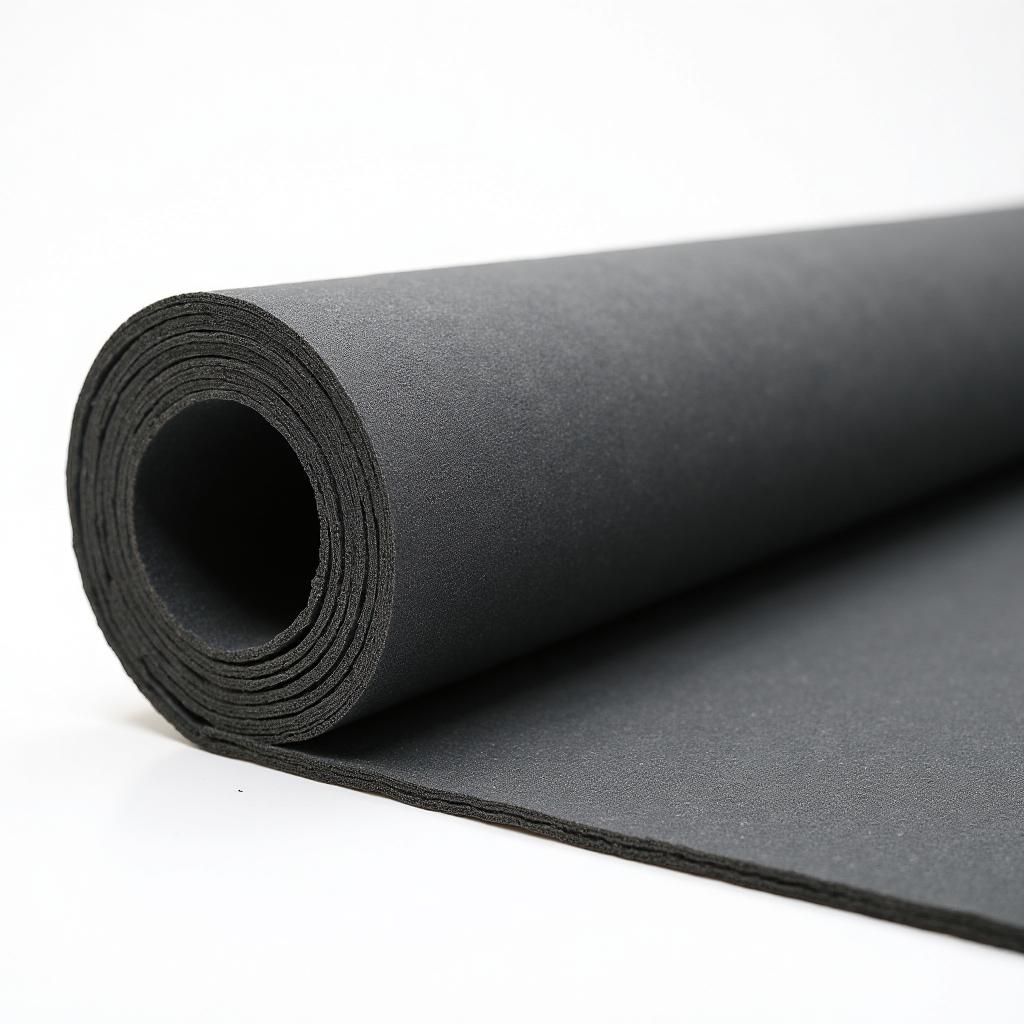
• Roll sizes: Large rolls (4' x 25' or larger) reduce seam requirements for big wall areas
• Reinforced products: Consider reinforced MLV for ceiling applications to prevent sagging
Wall Installation
• Seam treatment: Overlap seams 2" minimum and seal with acoustic caulk
• Perimeter sealing: Continuous acoustic sealant at floor, ceiling, and intersecting walls
• Penetration treatment: Seal around all electrical, plumbing, and HVAC penetrations
• Attachment method: Staple to studs (before finish layer) or adhesive application
Ceiling Applications
• Full ceiling mass: MLV layer across entire ceiling adds mass to reduce transmission through floor above
• Support requirements: Proper support prevents MLV sagging into ceiling grid system
• Coordination: Work with other trades to maintain fire ratings at barriers
Equipment Wrapping
• Equipment enclosures: MLV-lined enclosures around noisy ball return components
• Pipe lagging: MLV wrap on pipes reduces water hammer and flow noise transmission
• Flexible installation: MLV conforms to curved surfaces and equipment shapes
11Conclusion
FAQs: Bowling Alley Construction Soundproofing
Related Guides in Building Codes
Continue exploring with these hand-picked articles
Airport Construction: MLV Requirements and Building Codes
Building code requirements for soundproofing in airports and aviation facilities. How MLV helps developers meet FAA acoustic standards, TSA security requirements, and create comfortable passenger environments.
Museum Construction: MLV Requirements and Building Codes
Building code requirements for soundproofing in museums and cultural institutions. How MLV helps developers achieve gallery-to-gallery isolation, protect collections from vibration damage, meet conservation standards, and create contemplative visitor experiences.
Hotel Construction: MLV Requirements & Building Codes
Building code requirements for soundproofing in hotels and hospitality construction. How MLV helps developers meet STC requirements, brand acoustic standards, and cost-effective wall/floor assemblies for hotel projects.
Our Complete Product Line
Professional-grade soundproofing materials for any application
Need Expert Soundproofing Advice?
Our team of soundproofing specialists is here to help you choose the right products and installation methods for your museum or gallery project.