Materials8 min readAuthorMass Loaded Vinyl DirectPublishedUpdated

    The Best Bang-for-Buck Soundproofing Materials Ranked
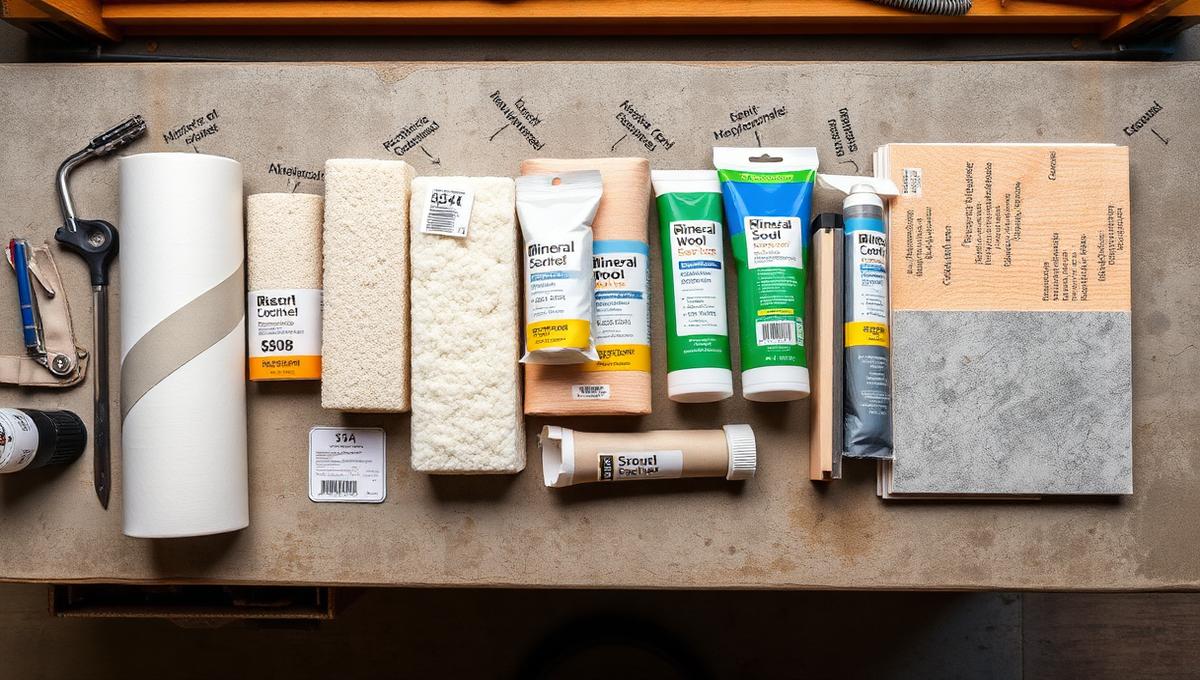
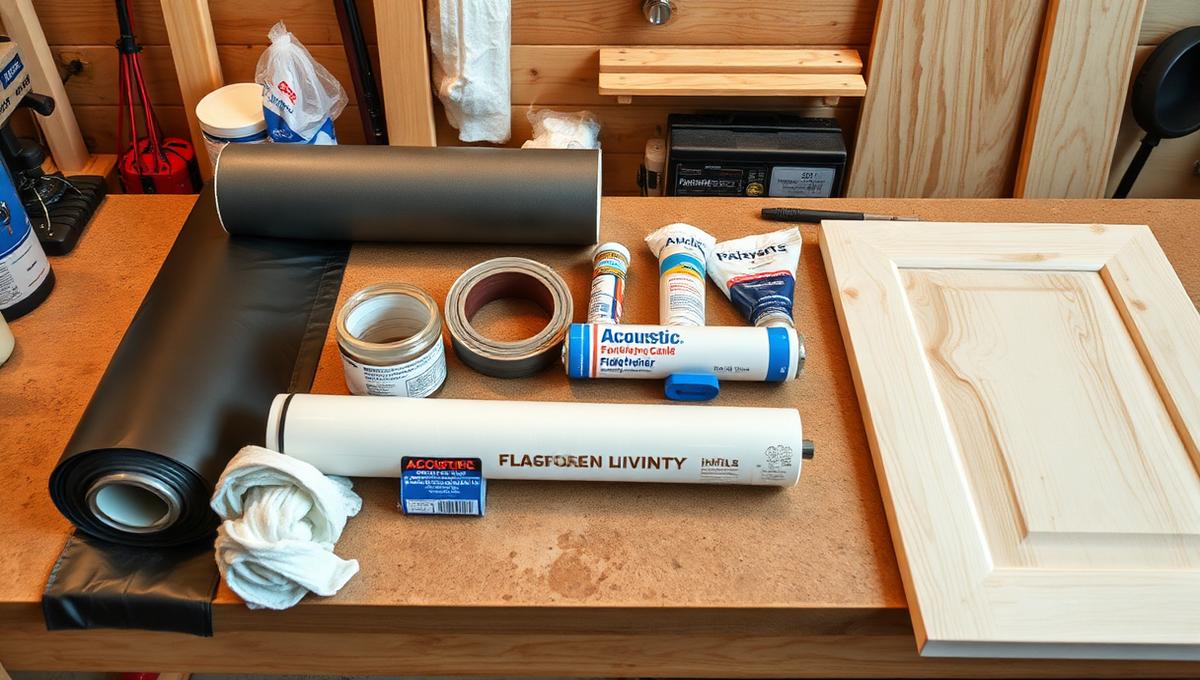
    Flat lay of various soundproofing materials including mass loaded vinyl, mineral wool, green glue, acoustic sealant, resilient channels, and drywall on a concrete workbench
    Flat lay of various soundproofing materials including mass loaded vinyl, mineral wool, green glue, acoustic sealant, resilient channels, and drywall on a concrete workbench

    1How We Ranked: The Cost-per-STC Method

    Every material on this list is evaluated by the same formula: Material cost per square foot ÷ STC points added to a standard wall assembly. A standard interior wall (single wood stud, single layer 1/2" drywall each side, no insulation) starts at approximately STC 33. Each material's improvement is measured from that baseline using published lab data and field-verified results.
    This approach has limitations — STC improvements are not perfectly additive when you stack materials, and some products perform better at specific frequencies. But as a general buying guide, cost-per-STC-point gives you the clearest picture of where your first dollar, your second dollar, and your fifth dollar should go.
    All prices reflect 2026 retail pricing for DIY installation. Professional labor adds $1.00-3.00 per square foot depending on your market and is not included in the rankings.

    2The Full Rankings Table

    Here is every material ranked from best to worst value. Detailed breakdowns follow below.
    RankMaterialCost/sq ftSTC GainCost per STC Point
    1Acoustic Sealant$0.10-0.25+1-5$0.05
    2Mineral Wool Batts$0.60-1.00+4-8$0.13
    3Mass Loaded Vinyl (1 lb)$1.50-2.00+5-7$0.29
    4Green Glue Compound$0.50-0.75+5-9$0.09
    5Resilient Channels / Sound Clips$0.75-2.50+5-12$0.19
    6Additional Drywall Layer$0.40-0.65+3-5$0.13
    7QuietRock Drywall$3.00-4.50+8-12$0.38
    8Acoustic Foam Panels$1.50-4.00+0-1N/A
    Note: Green Glue has a very low cost-per-STC on paper, but it requires a second drywall layer to function — you cannot use it alone. That is why it ranks #4 instead of #1 when you factor in its dependency cost.

    3#1 — Acoustic Sealant

    Cost: $0.10-0.25/sq ft | STC gain: +1 to +5 points
    Acoustic sealant is the single most overlooked material in soundproofing — and the one with the highest ROI. A $8 tube of acoustical caulk covers 25-30 linear feet and seals the air gaps that leak sound around electrical outlets, baseboards, perimeter edges, and drywall joints.
    Sound follows the path of least resistance. A 1/16-inch gap under a baseboard can leak as much sound as a 4-inch hole in the wall. Sealing these gaps is the absolute first thing you should do before spending money on anything else. In walls with significant air leakage, sealant alone can improve STC by 3-5 points — at a cost of roughly $0.05 per STC point per square foot.
    Best for: Every single soundproofing project, no exceptions. Always do this first.

    4#2 — Mineral Wool Batts

    Cost: $0.60-1.00/sq ft | STC gain: +4 to +8 points
    Mineral wool batts (Rockwool Safe'n'Sound being the most common brand) fill the wall cavity and absorb airborne sound energy before it can excite the opposite drywall surface. Unlike fiberglass, mineral wool is denser, more fire-resistant, and does not sag over time.
    At $0.80 per square foot average and 6 STC points of improvement, mineral wool delivers $0.13 per STC point — making it the second-best value in soundproofing. It is particularly effective against mid-and-high frequency noise like voices, television, and music above 250 Hz.
    Limitation: Mineral wool does less against low-frequency bass and impact noise. It works inside the cavity, so you need open wall access (new construction or during renovation).
    Best for: New construction, gut renovations, and any project where wall cavities are accessible.

    5#3 — Mass Loaded Vinyl (MLV)

    Cost: $1.50-2.00/sq ft | STC gain: +5 to +7 points
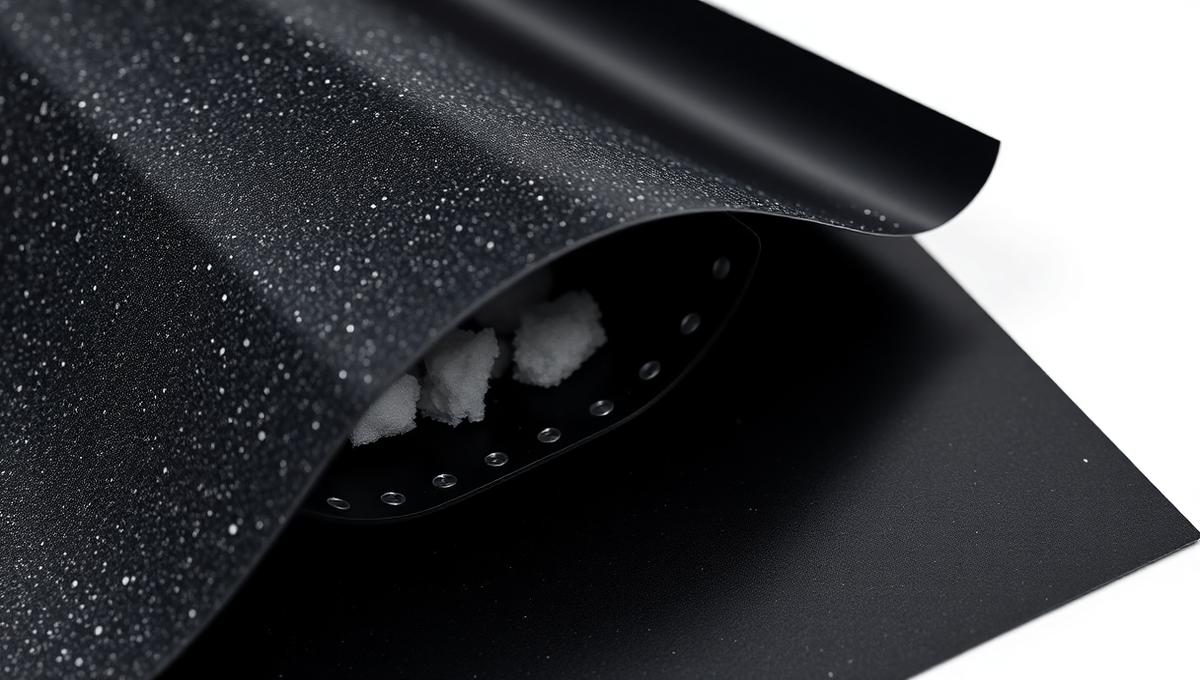
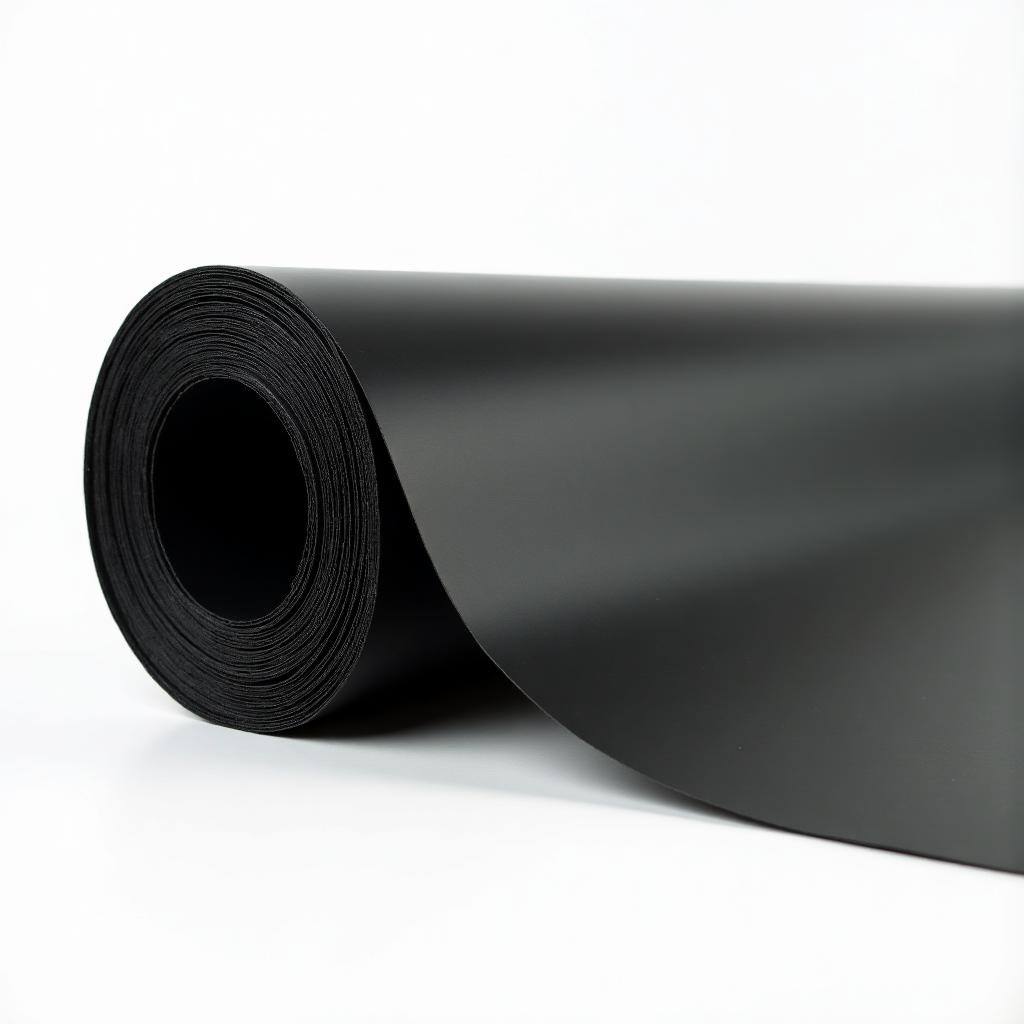
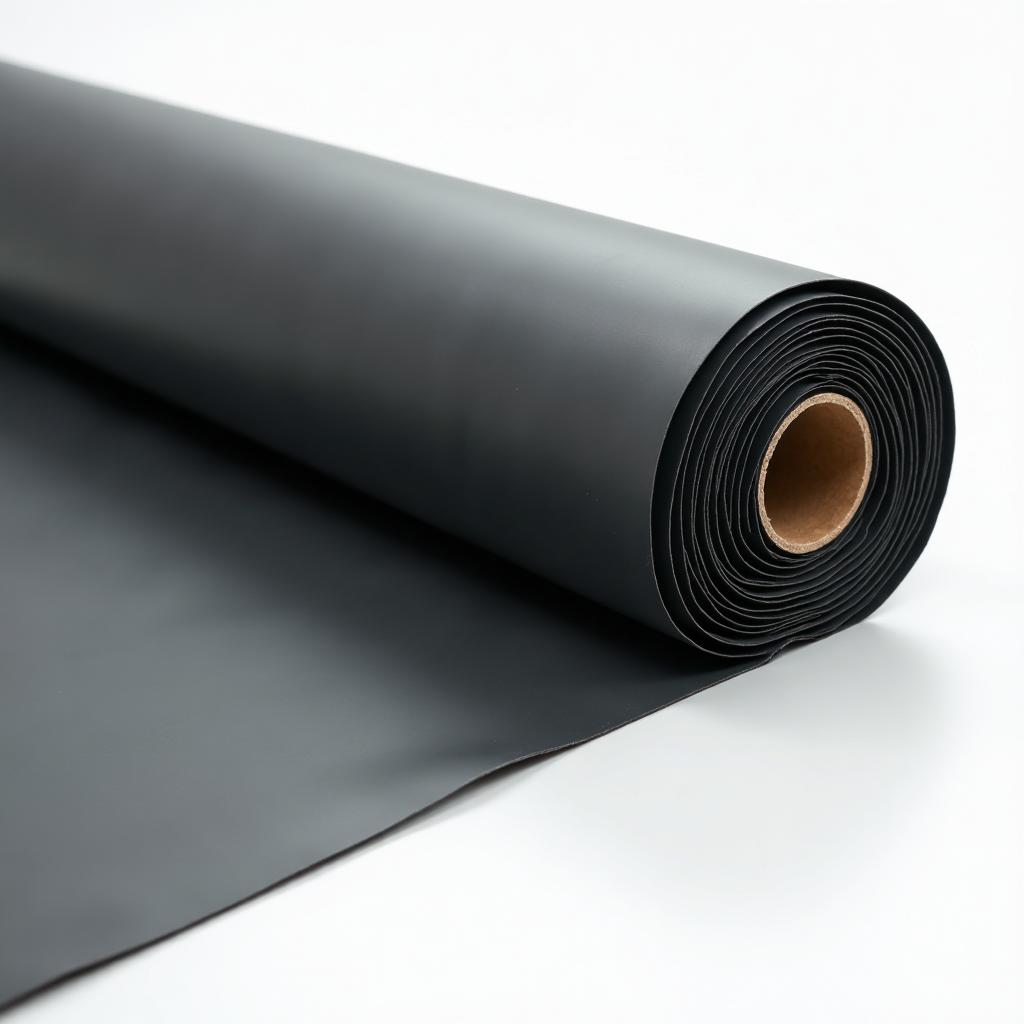
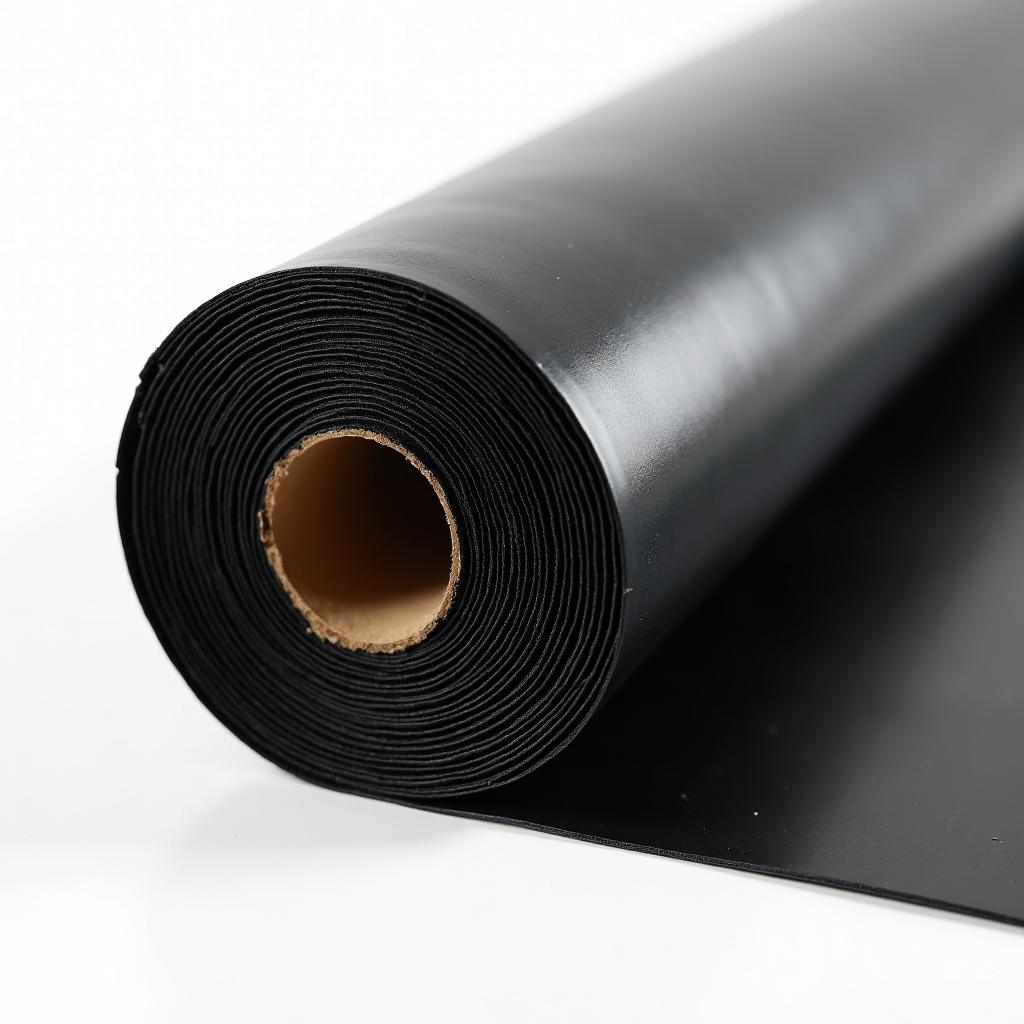
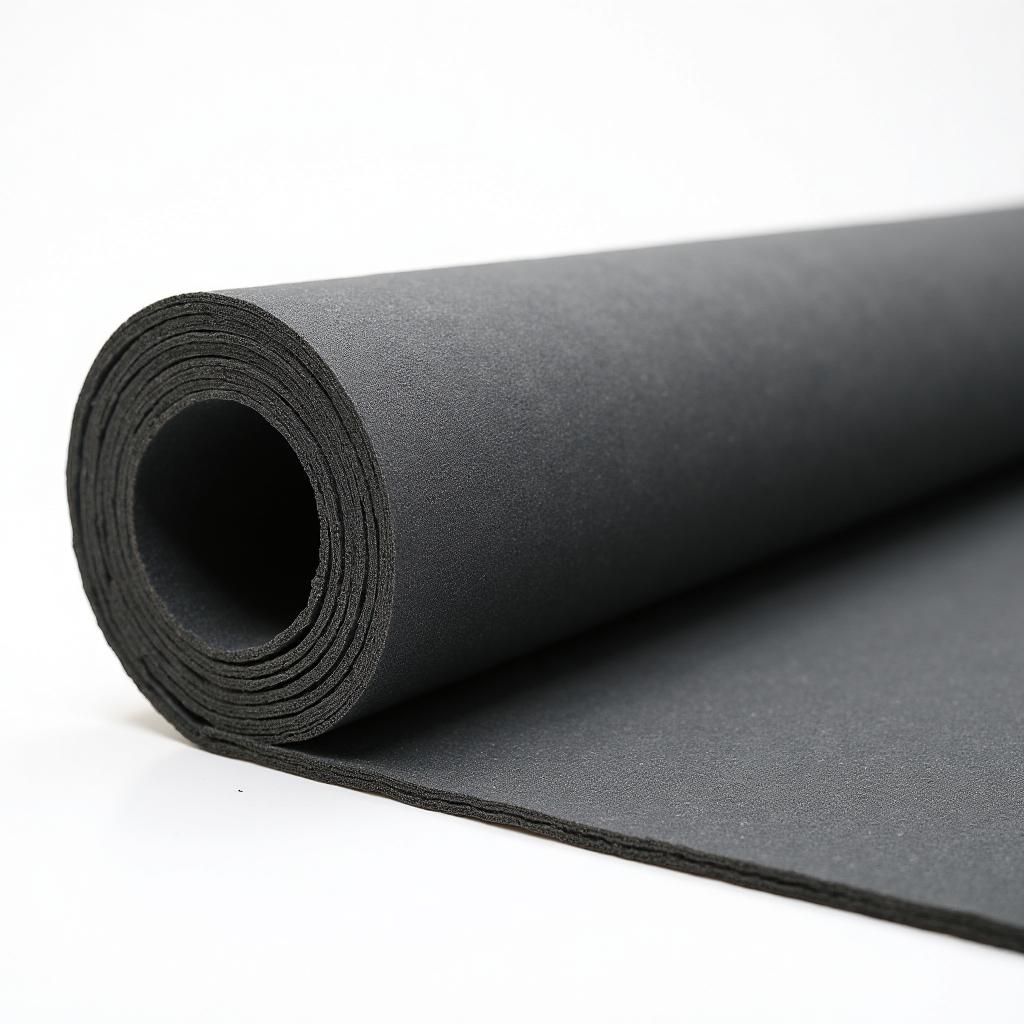
    Mass loaded vinyl is a dense, flexible barrier that adds 1 lb per square foot of limp mass to any wall, ceiling, or floor assembly. Unlike rigid mass (drywall), MLV's flexibility prevents it from resonating at specific frequencies — meaning it blocks sound more evenly across the entire spectrum.
    At $1.75 average and 6 STC points, MLV costs $0.29 per STC point. That is more expensive per point than mineral wool, but MLV does something mineral wool cannot: it blocks sound transmission as a barrier rather than absorbing it inside a cavity. The two materials complement each other perfectly.
    MLV also excels in retrofit projects because it can be installed over existing drywall without opening walls — staple or screw it to the surface, then cover with a new layer of drywall.
    Best for: Retrofits, ceilings, floors, pipe wrapping, HVAC duct wrapping, and any assembly where you need maximum mass in minimum thickness.

    6#4 — Green Glue Compound

    Cost: $0.50-0.75/sq ft (compound only) | STC gain: +5 to +9 points
    Green Glue is a viscoelastic damping compound applied between two rigid layers (typically two sheets of drywall). It converts sound vibration into microscopic amounts of heat, providing excellent low-frequency damping that other materials struggle with.
    The raw cost-per-STC is stunning — as low as $0.09 per point. But there is a catch: Green Glue requires a second drywall layer to function (it goes between the two layers). When you add drywall cost ($0.40-0.65/sq ft), the true system cost jumps to $0.90-1.40/sq ft for the combination. That brings the effective cost per STC point to about $0.16-0.20 — still excellent, but not the miracle the raw number suggests.
    Best for: Projects where you are already adding a second drywall layer, ceilings, and situations where low-frequency bass is the primary problem.

    7#5 — Resilient Channels / Sound Clips

    Cost: $0.75-2.50/sq ft | STC gain: +5 to +12 points
    Resilient channels and sound isolation clips decouple the drywall from the stud frame, breaking the direct vibration path. This is one of the most effective single strategies in soundproofing — a properly decoupled wall can gain 10-12 STC points.
    The cost range is wide because basic resilient channels run $0.75/sq ft while engineered sound clips with hat channel cost $2.00-2.50/sq ft. At the midpoint, you get roughly $0.19 per STC point.
    Critical warning: Decoupling only works if there are zero rigid contact points between the decoupled drywall and the frame. A single misplaced screw that touches a stud can short-circuit the entire system and negate most of the benefit. Installation precision matters more here than with any other material.
    Best for: New construction, shared walls (party walls), ceilings below noisy upstairs neighbors, and home studios.

    8#6 — Additional Drywall Layer

    Cost: $0.40-0.65/sq ft | STC gain: +3 to +5 points
    Adding a second layer of standard 5/8-inch drywall increases wall mass by roughly 2.5 lbs per square foot. The cost-per-STC point is about $0.13 — tied with mineral wool for raw value. But the STC gain ceiling is lower (3-5 points vs. 4-8), which limits its standalone impact.
    Where drywall shines is as a platform for other materials. A second drywall layer with Green Glue between them gains 8-14 combined STC points. A second layer over MLV gains 8-12 points. Drywall alone is mediocre; drywall as part of a system is essential.
    Best for: Use as a finishing layer over MLV or with Green Glue compound — rarely worth adding alone.

    9#7 — QuietRock Soundproof Drywall

    Cost: $3.00-4.50/sq ft | STC gain: +8 to +12 points
    QuietRock is an engineered drywall product with built-in viscoelastic damping layers. It replaces the standard drywall + Green Glue + drywall sandwich with a single, easier-to-install panel. At $3.75 average and 10 STC points, it delivers $0.38 per STC point.
    That is roughly 4x the cost of mineral wool per STC point. The premium buys you convenience — one layer instead of a multi-step installation — and modestly better performance at certain frequencies. For contractors billing by the hour, the labor savings can offset the material premium.
    Best for: Time-sensitive commercial projects, retrofits where minimizing wall thickness matters, and situations where labor costs exceed material costs.

    10#8 — Acoustic Foam Panels

    Cost: $1.50-4.00/sq ft | STC gain: +0 to +1 points
    Acoustic foam is dead last on this list because it provides effectively zero STC improvement. Foam absorbs echo and reverberation inside a room — it does not block sound from passing through a wall. A $200 investment in acoustic foam panels adds the same sound blocking as tacking a bedsheet to the wall: none.
    This is not a knock on foam's legitimate use case. If you need to treat room acoustics for recording, podcasting, or video calls, foam panels reduce reflections and flutter echo effectively. But if your goal is stopping noise from reaching the next room, every dollar spent on foam is a dollar wasted.
    Best for: Room acoustic treatment (echo reduction) only — never for soundproofing.

    11How to Stack Materials for Maximum Value

    The real power of soundproofing comes from combining materials that address different transmission paths. Here is the optimal spending order for a typical wall project:
    Step 1 — Acoustic sealant ($0.10-0.25/sq ft): Seal every gap, crack, and penetration. This is your highest-ROI move.
    Step 2 — Mineral wool in the cavity ($0.60-1.00/sq ft): If the wall cavity is accessible, fill it. Combined running cost: $0.70-1.25/sq ft. Running STC gain: +5-13 points.
    Step 3 — Mass loaded vinyl over the existing wall ($1.50-2.00/sq ft): Add a limp-mass barrier. Running cost: $2.20-3.25/sq ft. Running STC gain: +10-20 points.
    Step 4 — Second drywall layer with Green Glue ($0.90-1.40/sq ft): Cap the assembly with damped drywall. Running cost: $3.10-4.65/sq ft. Running STC gain: +15-29 points.
    Following this sequence, a $3-5 per square foot investment takes a standard STC 33 wall to STC 48-55 — enough to block loud conversation and most music. That is the power of stacking high-value materials in the right order.
    The key insight: Spend your first dollars on sealant and mineral wool (highest ROI), your middle dollars on MLV (essential mass barrier), and your final dollars on damping and decoupling (diminishing but still valuable returns).

    13Conclusion

    Not all soundproofing materials are created equal — and price alone does not tell you which ones work best. Acoustic sealant, mineral wool, and mass loaded vinyl deliver the highest noise reduction per dollar spent, while premium products like QuietRock trade value for convenience. Acoustic foam, despite its popularity, provides zero sound blocking and ranks dead last for soundproofing value. Use the cost-per-STC framework to make every dollar count: seal first, insulate second, add mass third, and damp last. Follow that sequence and you will build walls that actually perform — without overspending on materials that underdeliver.

    FAQs: Best Bang for Buck Soundproofing Materials

    Need Expert Soundproofing Advice?

    Our team of soundproofing specialists is here to help you choose the right products and installation methods for your museum or gallery project.