Materials10 min readAuthorMass Loaded Vinyl DirectPublishedUpdated

    The Best Acoustic Treatment Materials for Home Studios Under $500
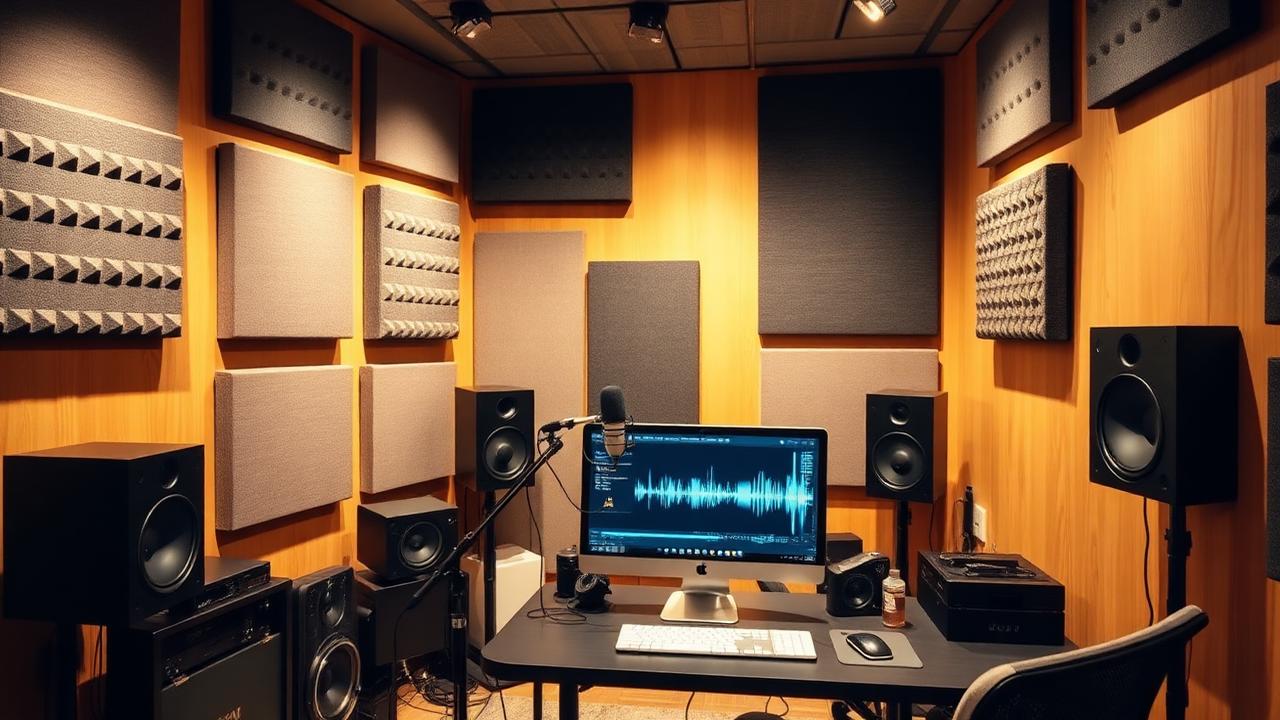
    Home recording studio with acoustic treatment panels on walls, bass traps in corners, microphone and monitors on desk with warm ambient lighting
    Home recording studio with acoustic treatment panels on walls, bass traps in corners, microphone and monitors on desk with warm ambient lighting

    1Why Your Untreated Room Is Ruining Your Sound

    Sound behaves predictably in small rooms, and none of it is good. When you speak or play an instrument, sound waves radiate outward and bounce off every hard surface — walls, ceiling, floor, desk, windows. These reflections arrive at your microphone milliseconds after the direct sound, creating a smeared, colored version of the original.
    Three problems dominate untreated home studios:
    Flutter echo: Rapid reflections between parallel walls create a metallic ringing. Clap your hands in your room — if you hear a buzzy decay instead of a clean stop, you have flutter echo.
    Standing waves: Low frequencies build up at specific points in the room, creating boomy spots and dead zones. This is why your bass sounds enormous at your desk but disappears two feet away.
    Comb filtering: When direct sound and reflected sound combine at your listening position, certain frequencies cancel out while others amplify. The result is an uneven, unreliable frequency response that makes mixing impossible.
    Professional studios spend tens of thousands addressing these issues. But for home studios focused on vocals, podcasting, and basic music production, targeted treatment in the right locations solves 80% of the problem at 10% of the cost.

    2Acoustic Panels: The Foundation of Any Studio

    Acoustic panels are rigid or semi-rigid absorbers mounted on walls and ceilings. They reduce mid and high-frequency reflections — the range most responsible for flutter echo, harsh vocals, and unclear speech.
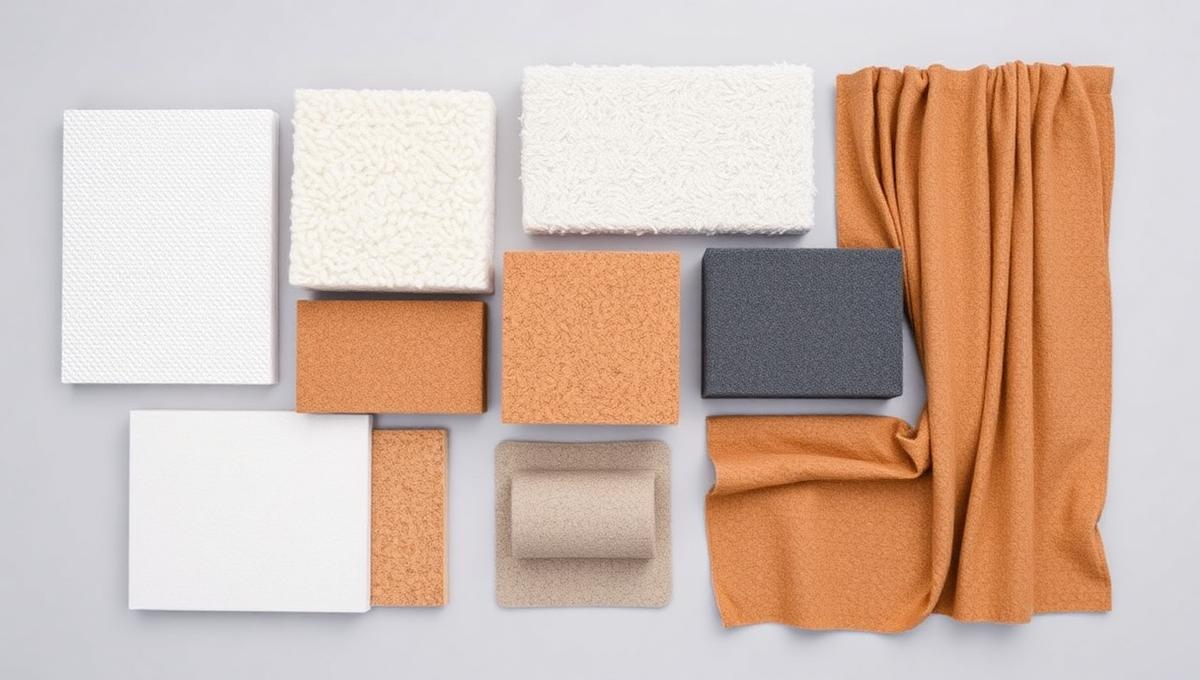
    What to look for: Panels should be at minimum 2 inches thick, with 4 inches being ideal for broader frequency absorption. The core material matters enormously. Rigid fiberglass (OC 703) or mineral wool (Rockwool) outperforms acoustic foam by a wide margin. A 2-inch mineral wool panel absorbs over 90% of frequencies above 500 Hz, while cheap 1-inch foam absorbs less than 50%.
    Budget options ($80-150 for a room):
    DIY mineral wool panels: Buy Rockwool Safe'n'Sound batts ($55-65 per bag of 8 batts), wrap in breathable fabric, and mount in simple 1x4 lumber frames. Total cost per 2x4-foot panel: approximately $15-20. Six panels cover an average bedroom studio adequately.
    Pre-made budget panels: Companies sell 2-inch fiberglass panels for $25-40 each. Less cost-effective than DIY but zero construction required.
    Where to place them: First reflections are priority one. Sit at your mixing position and have someone slide a mirror along the side walls. Wherever you can see your monitors in the mirror, place a panel. Repeat for the ceiling. These 4-6 spots eliminate the most damaging reflections immediately.

    3Bass Traps: Taming the Low End

    Bass traps address low-frequency buildup that thin acoustic panels cannot absorb. Low frequencies accumulate in room corners where walls meet — creating boomy, undefined bass that masks your entire mix.
    Why they matter more than panels: In a typical 10x12-foot bedroom, standing waves can boost certain bass frequencies by 10-20 dB in the corners while creating nulls (dead spots) elsewhere. This means what you hear at your desk bears little resemblance to what your recording actually sounds like. Bass traps smooth this response.
    Budget options ($60-120 for a room):
    DIY corner bass traps: Stack 4-inch thick mineral wool batts floor-to-ceiling in each corner, wrapped in fabric. Four corner traps using Rockwool cost approximately $70-90 in materials. These thick absorbers work down to 125 Hz effectively.
    Foam bass traps: Budget foam corner traps ($15-25 each) are available but significantly less effective below 200 Hz. They are better than nothing but represent a compromise.
    Placement priority: Start with the two corners behind your monitors — this is where bass energy is strongest and most problematic. If budget allows, treat the rear corners next. Floor-to-ceiling coverage is ideal because bass energy exists at all heights, not just ear level.

    4Diffusers: When Reflection Is Better Than Absorption

    Diffusers scatter sound energy rather than absorbing it. They preserve the liveliness and natural ambience of a room while eliminating the focused reflections that cause problems. Over-absorbing a room creates a dead, uncomfortable feeling that makes performances feel lifeless.
    When you need diffusion instead of absorption: If your room already feels "dead" after adding panels and bass traps, you have over-treated it. Diffusers on the rear wall or ceiling maintain energy in the room without creating problematic reflections. They are particularly valuable for music recording where you want a sense of space in the recording.
    Budget options ($40-100):
    DIY wood diffusers: A QRD (quadratic residue diffuser) can be built from scrap lumber for under $30 in materials. Cut wood strips to mathematically determined depths and mount them on a backboard. Numerous free calculators exist online for determining strip depths based on your target frequency range.
    Bookshelf diffusion: A bookshelf filled with irregularly sized books and objects creates surprisingly effective diffusion — and costs nothing if you already own books. Place it on the rear wall behind your listening position.
    Placement: Diffusers work best on the rear wall (behind your head) and optionally on the ceiling between absorption panels. Never place diffusers at first reflection points — those need absorption.

    5Mass Loaded Vinyl: Keeping Sound In (and Out)

    Everything above treats sound within your room. But if outside noise bleeds into your recordings — traffic, neighbors, HVAC — or if your loud monitoring disturbs others, you need sound isolation. This is where mass loaded vinyl (MLV) enters the picture.
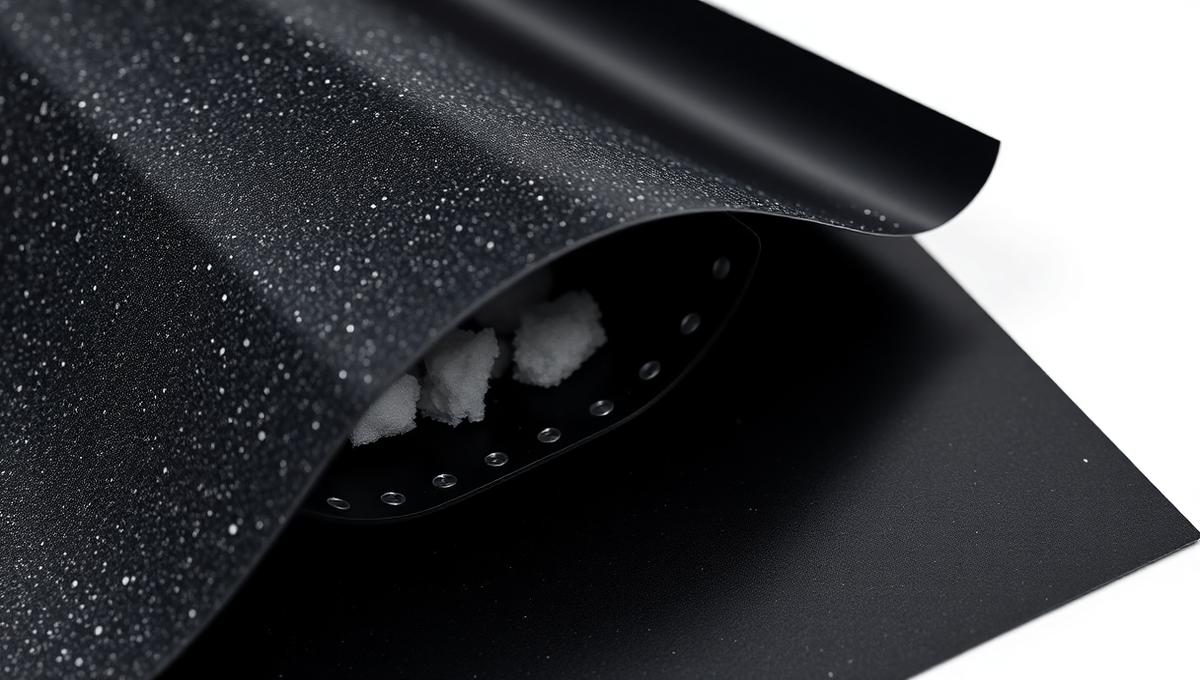
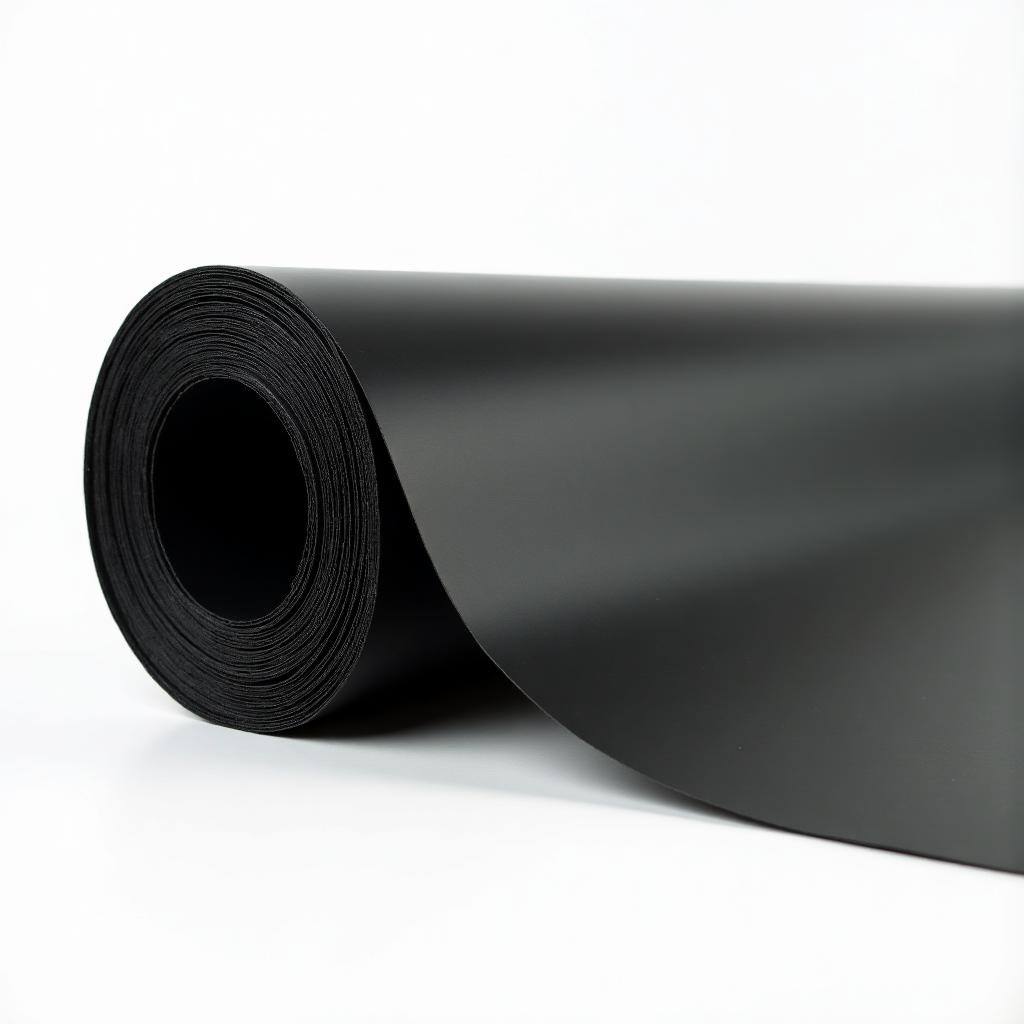
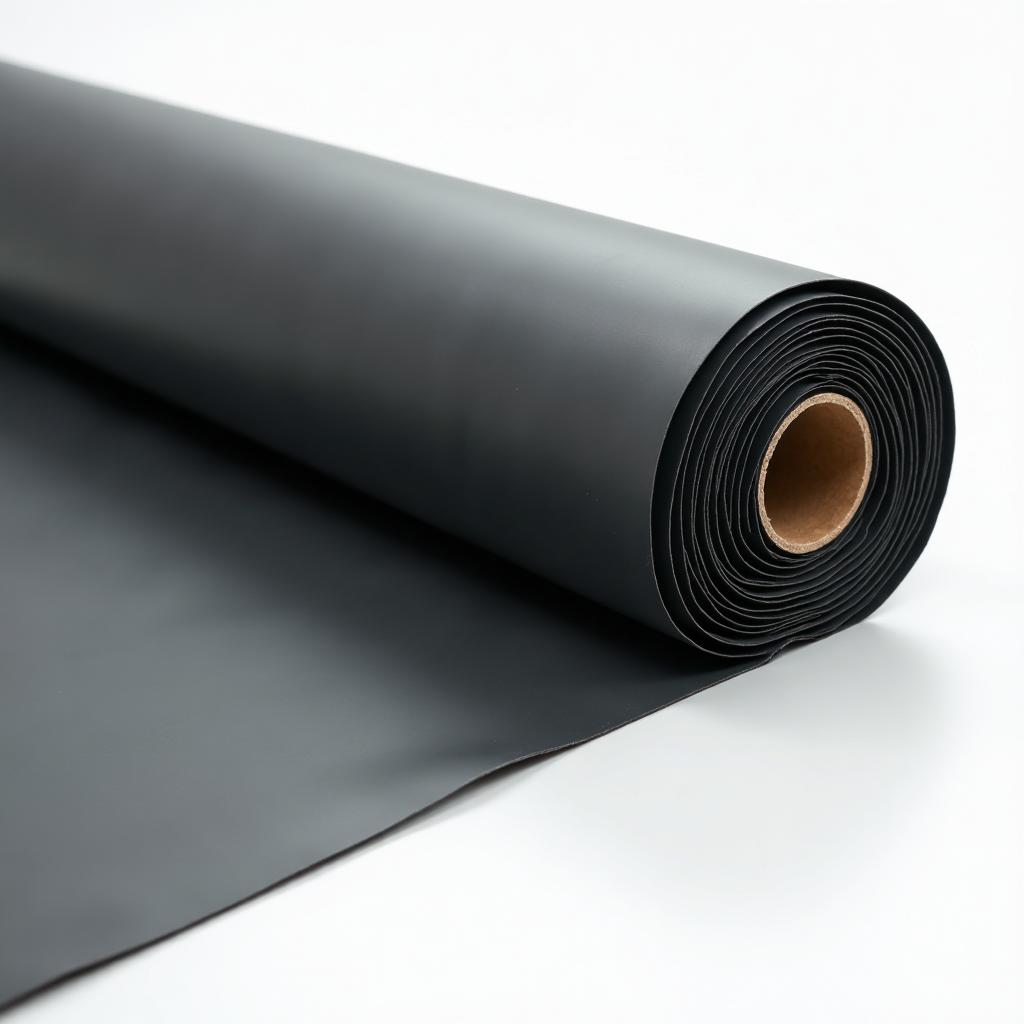
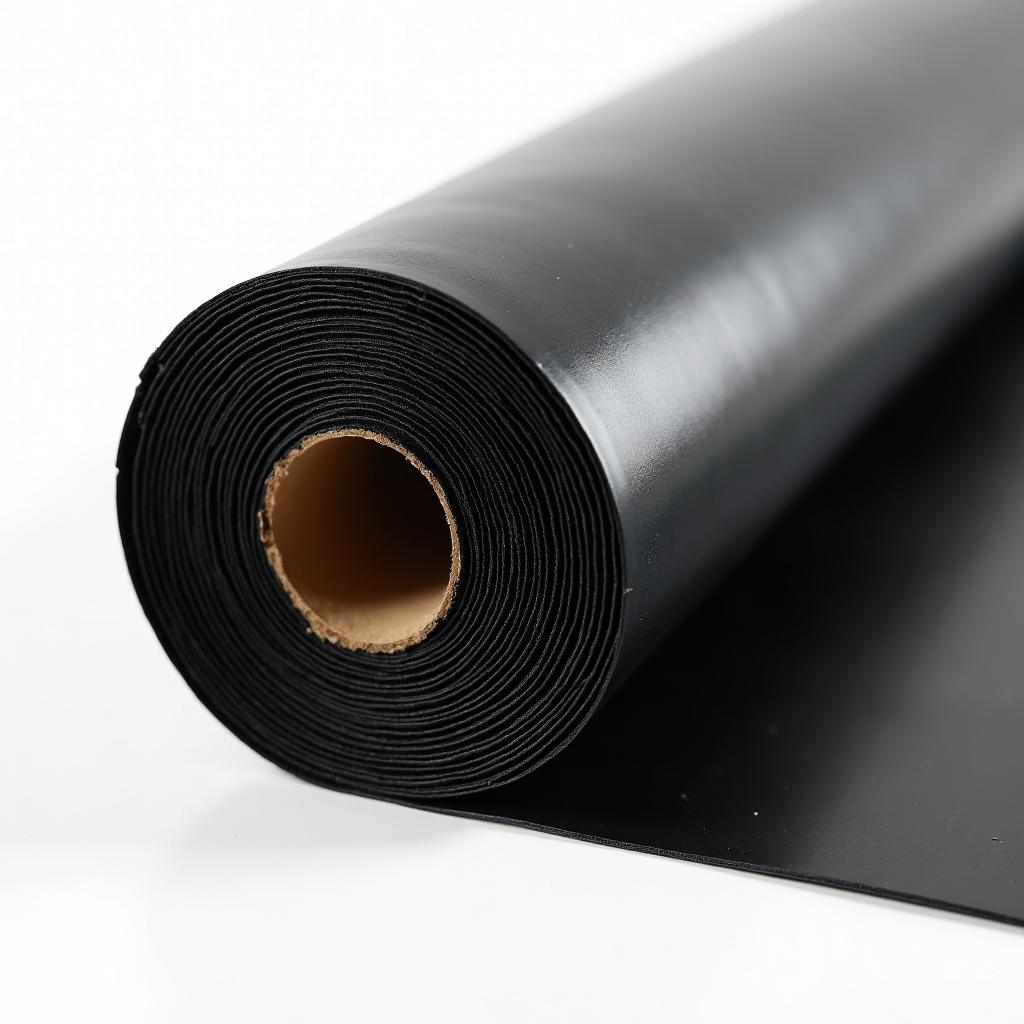
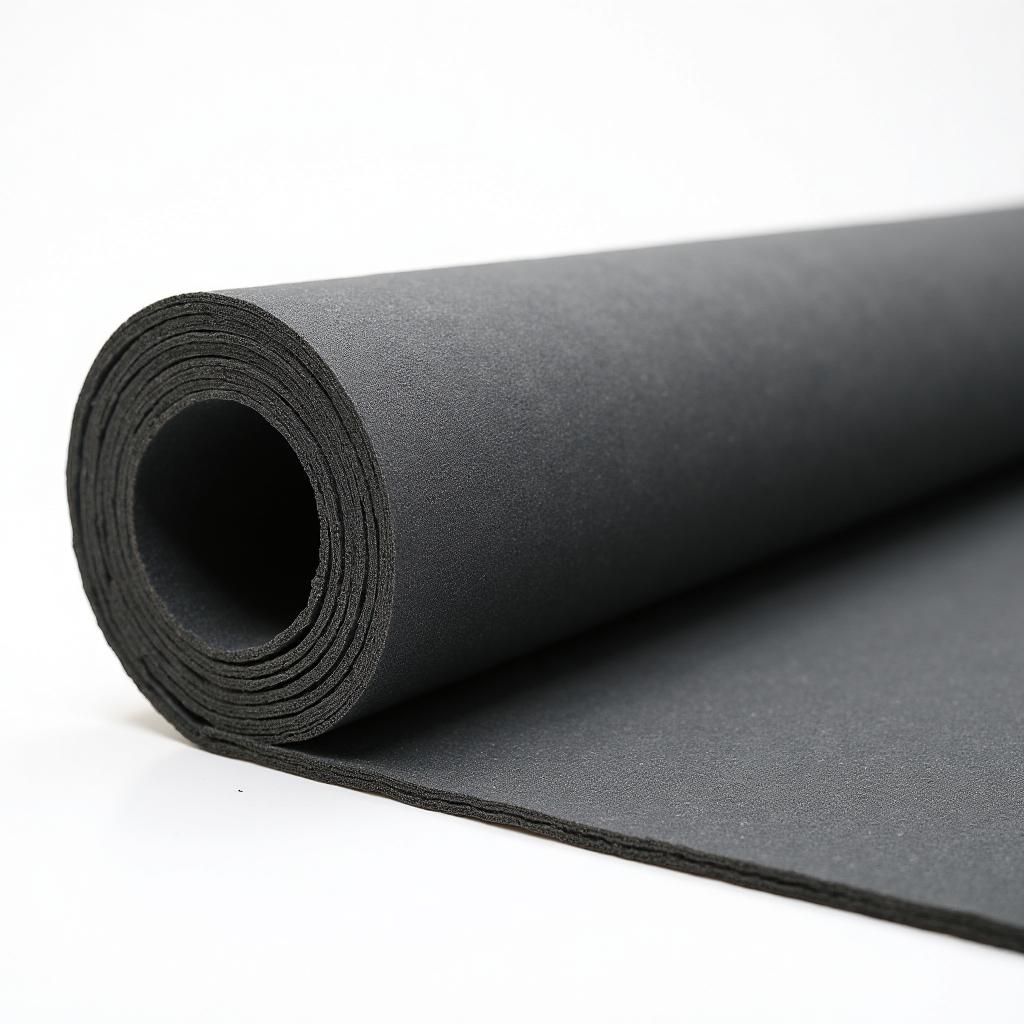
    MLV is a dense, flexible barrier material that blocks sound transmission through walls, ceilings, and floors. A single layer of 1 lb/sf MLV adds STC 26-27 to any surface — enough to make a noticeable difference in noise bleed between rooms.
    Budget application for home studios ($100-200):
    Targeted wall treatment: You do not need to cover every wall. Identify the wall where noise transmission is worst (usually a shared wall with another room or facing a street) and apply MLV to that surface only. A 4x25-foot roll covers one wall for $100-150.
    Door sealing: The weakest link in any room is the door. Adding MLV to the back of a hollow-core door and installing door sweep seals dramatically reduces noise leakage for under $50.
    Window plugs: Build removable window plugs using MLV sandwiched between rigid insulation boards. These can reduce window noise transmission by 15-20 dB and cost $30-50 per window.
    Important distinction: Acoustic panels and bass traps improve how your room sounds inside. MLV improves how much sound crosses between rooms. Most home studios need both — treatment for recording quality and isolation for noise control.

    6The $500 Home Studio Treatment Plan

    Here is a realistic budget breakdown for treating a typical 10x12-foot bedroom studio with $500:
    ItemQuantityCost
    DIY mineral wool panels (2x4 ft, 4" thick)6 panels$120
    DIY corner bass traps (floor-to-ceiling)4 corners$90
    Fabric for wrapping panels & traps15 yards$45
    Mounting hardware (impaling clips, Z-clips)Assorted$30
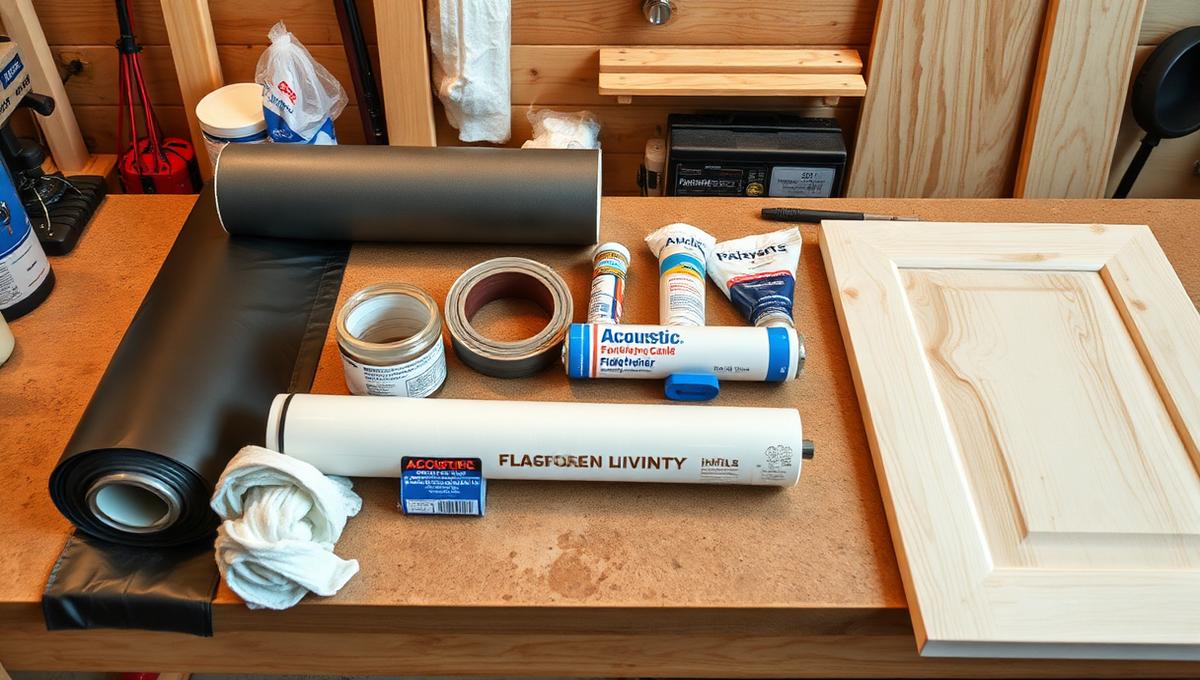
    MLV for worst wall (1 lb/sf, 4x25 roll)1 roll$130
    Door seal kit + MLV for door1 set$45
    Acoustic caulk for sealing gaps2 tubes$30
    Total$490
    This plan addresses all three acoustic problems: absorption (panels reduce flutter echo and mid/high reflections), bass management (corner traps smooth low-frequency response), and isolation (MLV on the worst wall plus sealed door reduces noise bleed). A DIY rear-wall diffuser from scrap wood can be added for minimal additional cost.
    Priority order if you cannot buy everything at once: Start with panels at first reflection points (biggest immediate improvement to recording quality). Add bass traps next (fixes muddy mixes). Then add MLV isolation (reduces noise bleed). Diffusers come last — they are a refinement, not a necessity.

    7Common Mistakes That Waste Your Budget

    Home studio builders consistently waste money on the same mistakes. Avoid these to stretch your $500 further:
    Buying thin foam panels: One-inch acoustic foam absorbs almost nothing below 1,000 Hz. It treats only the highest frequencies, leaving the problematic mid-range and bass completely unaddressed. Spend the same money on 4-inch mineral wool DIY panels instead.
    Covering every wall surface: More is not better. A room with 100% wall coverage sounds uncomfortably dead and makes performances feel claustrophobic. Target 30-40% wall coverage at strategic locations.
    Ignoring the ceiling: The ceiling is a massive reflective surface that most beginners forget. At minimum, place one panel directly above your recording or mixing position.
    Egg cartons and moving blankets: Egg cartons do nothing measurable for acoustics. Moving blankets provide marginal high-frequency absorption but are not a substitute for proper treatment. Both are a waste of time and wall space.
    Skipping the door and gaps: You can treat every wall perfectly, but if your hollow-core door has a half-inch gap at the bottom, outside noise pours in unobstructed. Seal every gap before adding expensive materials.

    9Conclusion

    Building a professional-sounding home studio does not require a professional budget. With $500 and a weekend of DIY work, you can transform an echoey bedroom into a space that produces clean, accurate recordings. The key is spending strategically: mineral wool panels at first reflection points, bass traps in corners, MLV on your worst wall, and thorough sealing of every gap. Skip the gimmicks, invest in proven materials, and let your recordings speak for themselves.

    FAQs: Acoustic Treatment Home Studio

    Need Expert Soundproofing Advice?

    Our team of soundproofing specialists is here to help you choose the right products and installation methods for your museum or gallery project.