Materials8 min readAuthorMass Loaded Vinyl DirectPublishedUpdated

    The 6 Best Materials for Acoustic Ceiling Treatment (and How to Choose)
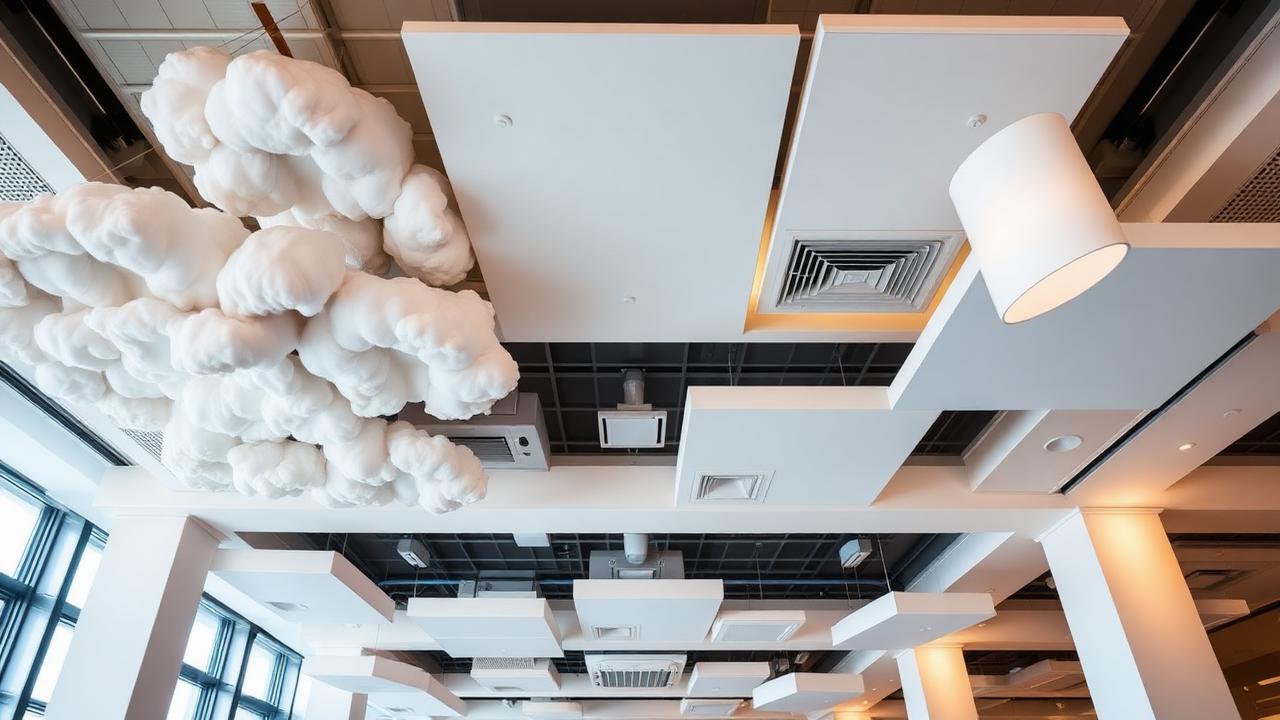
    Modern building interior looking up at suspended acoustic cloud panels, hanging baffles, and ceiling tiles installed at varying heights with warm lighting
    Modern building interior looking up at suspended acoustic cloud panels, hanging baffles, and ceiling tiles installed at varying heights with warm lighting

    1Why Ceilings Are the Most Overlooked Surface

    Sound radiates outward from every source in a room. In a typical 10-foot ceiling space, sound reaches the ceiling and bounces back to ear level in under 15 milliseconds — fast enough to blur speech clarity and create a muddy, reverberant sound field. The ceiling also acts as a bridge for noise between rooms, transmitting footfall impact noise from upper floors and allowing airborne sound to flank over partition walls that stop short of the structural deck.
    Three reasons ceilings matter more than most people think:
    Surface area: The ceiling covers the same square footage as the floor — often the largest single surface in the room — yet receives zero treatment in most spaces.
    Reflection angle: Ceiling reflections arrive at a steep angle that blends with direct sound, making speech and music sound washed out rather than creating a distinct echo.
    Noise flanking: In offices and multi-unit buildings, sound travels over partition walls through the ceiling plenum. Treating only walls while ignoring the ceiling leaves the biggest noise pathway wide open.

    21. Acoustic Ceiling Tiles (ACT)

    The workhorse of commercial acoustic ceilings. Acoustic ceiling tiles drop into a suspended metal grid framework and absorb mid-to-high frequency sound. Modern ACT products use mineral fiber, fiberglass, or recycled content cores with NRC ratings typically between 0.55 and 0.90.
    Best for: Offices, classrooms, healthcare facilities, and retail spaces where code compliance and cost efficiency are priorities.
    Pros: Affordable ($1.50-5.00 per square foot installed), easy to replace individual tiles, provides access to mechanical systems above, available in fire-rated options, and meets most building code acoustic requirements out of the box.
    Cons: Limited aesthetic appeal in high-end spaces, the visible grid system looks institutional, and standard tiles perform poorly below 500 Hz. The grid also reduces ceiling height by 4-8 inches.
    Performance tip: Specify tiles with an NRC of 0.70 or higher for spaces where speech intelligibility matters. Budget tiles with NRC ratings below 0.55 absorb so little energy that they barely justify the installation cost.

    32. Hanging Acoustic Baffles

    Vertical panels suspended from the ceiling structure that absorb sound on both faces. Baffles hang perpendicular to the ceiling, creating rows of absorptive surfaces that intercept sound waves traveling horizontally across the room.
    Best for: Gymnasiums, swimming pools, warehouses, manufacturing floors, and large open spaces with high ceilings where wall treatment alone cannot control reverberation.
    Pros: Both sides absorb sound (doubling effective coverage per square foot of material), they work with exposed ceiling structures where tiles cannot be installed, available in lengths up to 12 feet, and allow air circulation and sprinkler systems to function unobstructed.
    Cons: Higher material cost ($8-15 per square foot), require structural attachment points, collect dust in industrial environments, and installation requires lift equipment for high ceilings.
    Performance tip: Space baffles at intervals equal to their depth for optimal performance. A 12-inch deep baffle spaced every 12 inches creates a highly absorptive ceiling zone without a continuous surface.

    43. Acoustic Cloud Panels

    Horizontal panels suspended below the ceiling that create an absorptive canopy over specific zones. Clouds float 6-18 inches below the structural ceiling and absorb sound on both their top and bottom faces, plus all four edges.
    Best for: Conference rooms, recording studios, restaurants, open-plan offices, and anywhere you need targeted treatment without covering the entire ceiling.
    Pros: Architecturally striking, absorb sound on multiple surfaces simultaneously, can be positioned precisely over problem areas like conference tables or mixing positions, and available in custom shapes and fabric finishes that complement interior design.
    Cons: Premium pricing ($12-25 per square foot installed), require careful suspension hardware, and ineffective if mounted too close to the ceiling surface — they need an air gap to absorb on both faces.
    Performance tip: Mount clouds with at least a 6-inch gap from the ceiling. This air cavity dramatically improves low-frequency absorption. A cloud panel with a 12-inch air gap can absorb effectively down to 200 Hz, while the same panel mounted flush against the ceiling barely touches 500 Hz.

    54. Spray-On Acoustic Treatments

    Cementitious or cellulose-based coatings sprayed directly onto ceiling surfaces. These treatments bond to concrete, metal deck, drywall, or wood and create a textured absorptive surface without adding a separate structural system.
    Best for: Exposed concrete ceilings in lofts, restaurants, and renovated industrial spaces where maintaining ceiling height and the raw aesthetic is important.
    Pros: No loss of ceiling height, preserves the exposed-structure look popular in modern design, seamless coverage with no visible joints, fire-rated formulations available, and costs $3-8 per square foot installed.
    Cons: NRC ratings are moderate (typically 0.50-0.75), difficult to repair or patch if damaged, application requires specialized equipment, and the textured finish is permanent — removal means refinishing the entire ceiling.
    Performance tip: Apply spray treatments at 1-inch thickness minimum. Half-inch applications look nearly identical but absorb 30-40% less sound energy. The cost difference between half-inch and one-inch is minimal compared to the acoustic improvement.

    65. Mass Loaded Vinyl (MLV) Ceiling Barriers

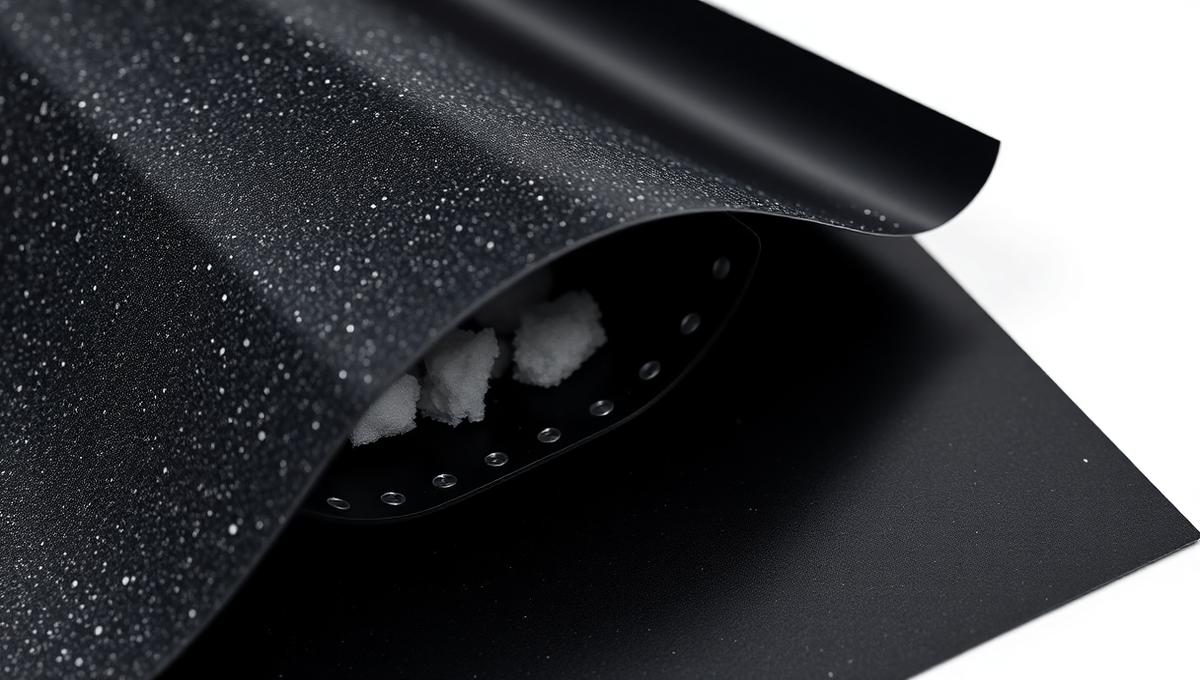
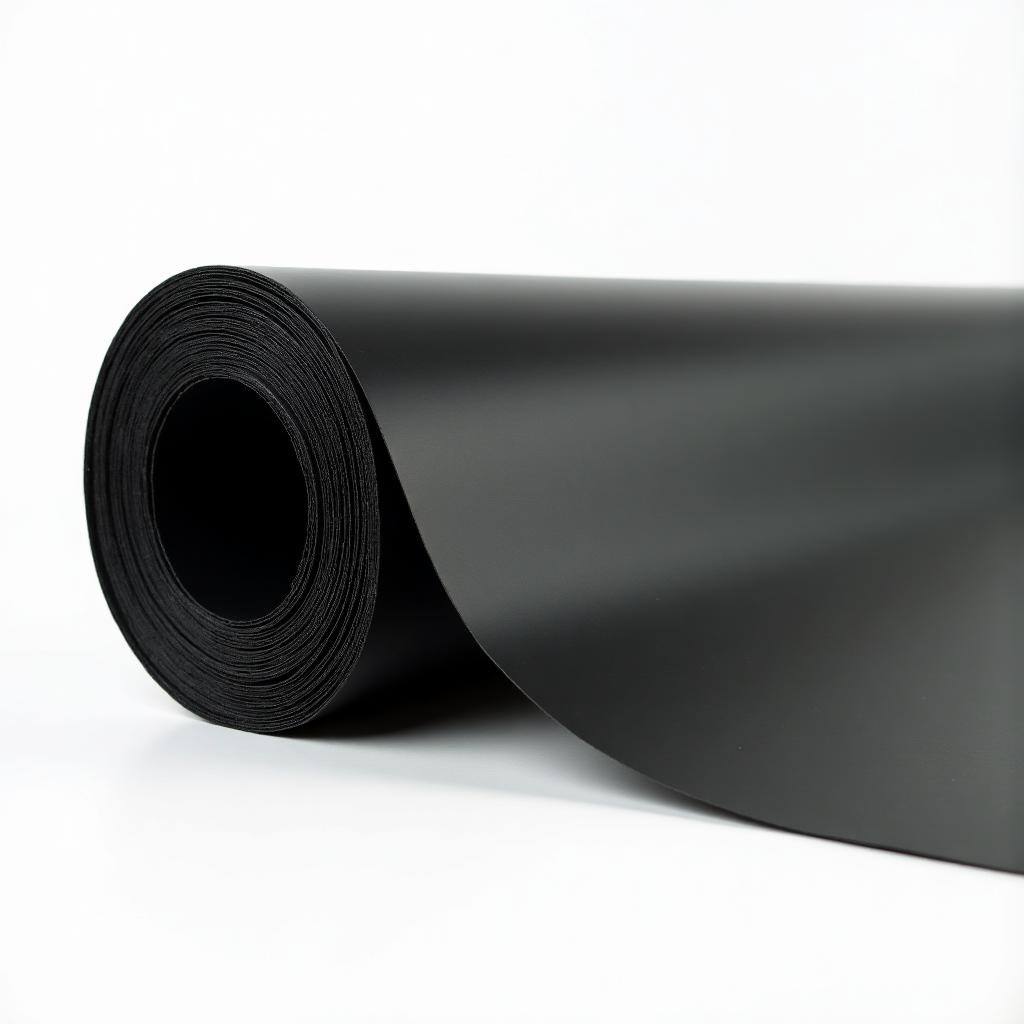
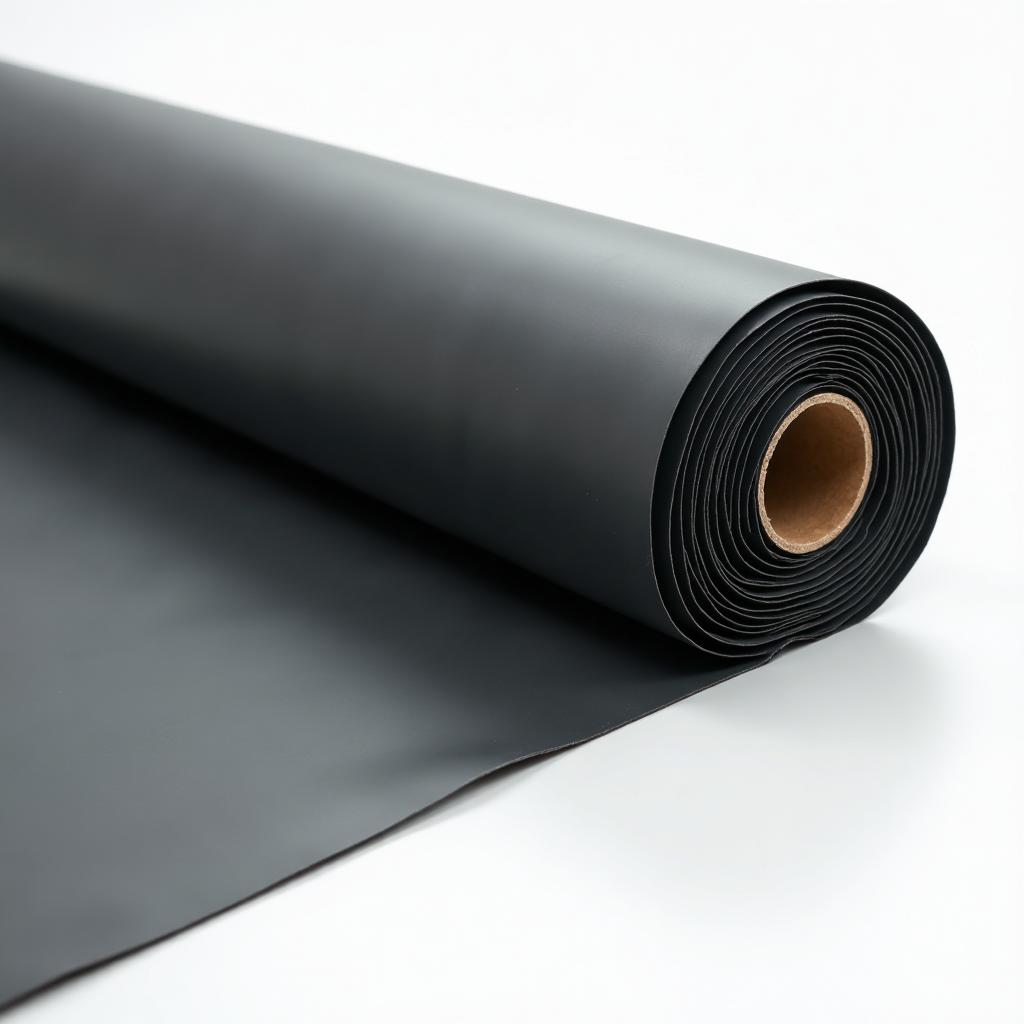
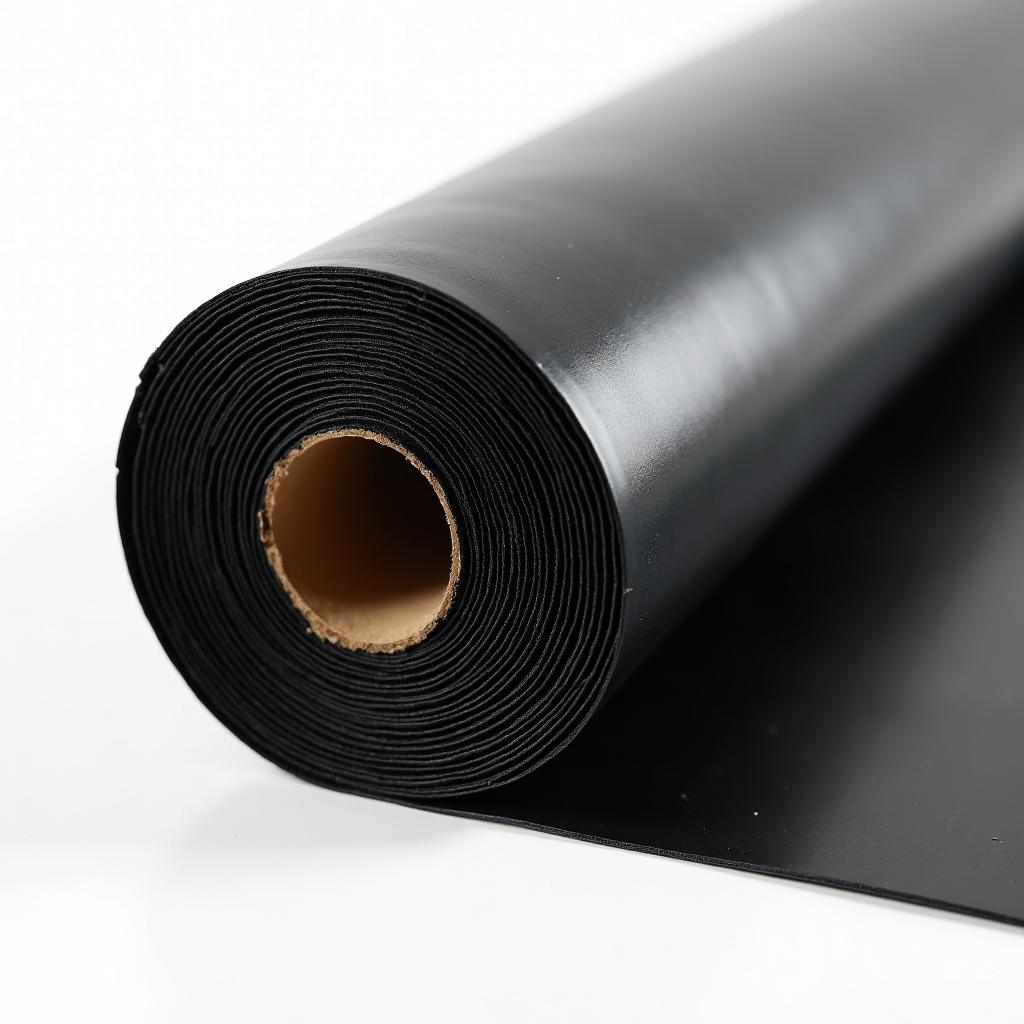
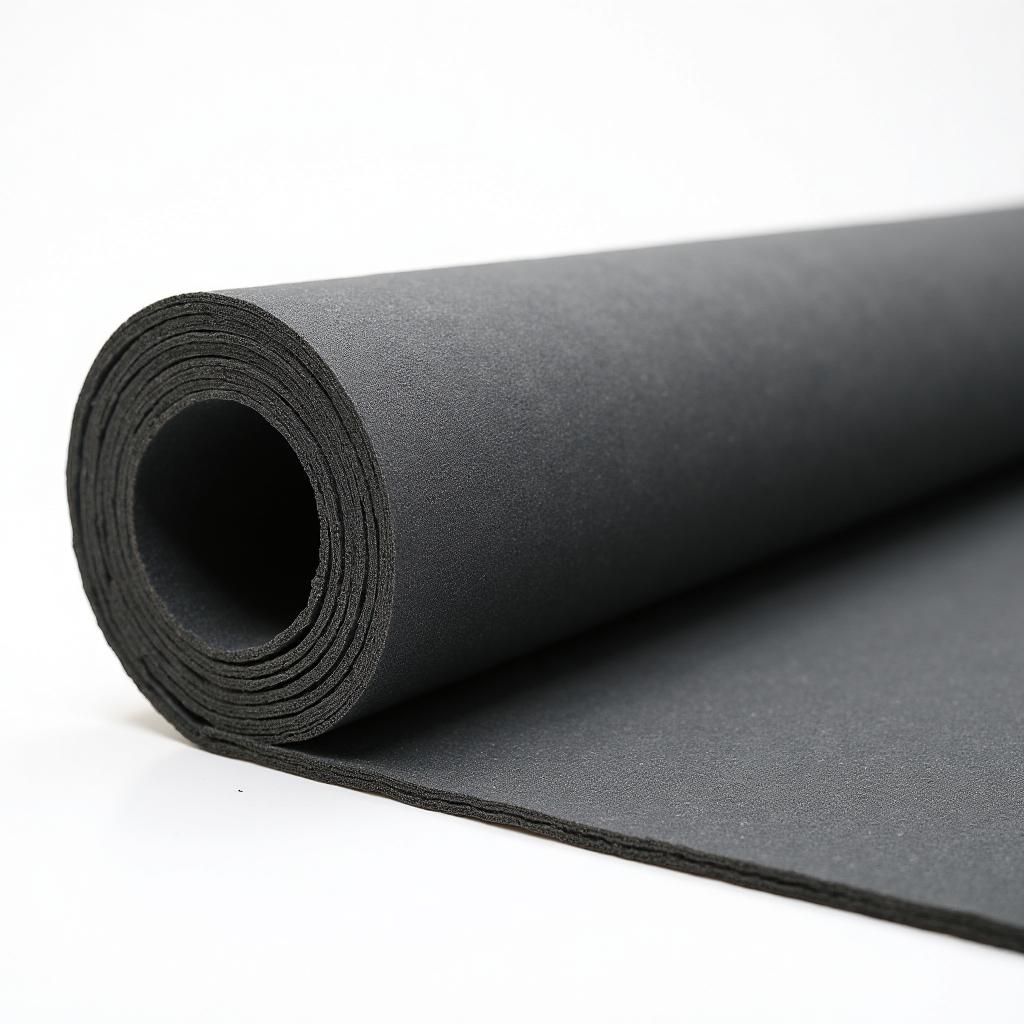
    While the other materials on this list absorb sound within a room, MLV blocks sound transmission between floors. It is a dense, flexible barrier installed above the ceiling finish that prevents airborne noise from passing through the ceiling assembly.
    Best for: Multi-story buildings, home theaters below bedrooms, recording studios requiring isolation, and any space where noise from above (or noise escaping upward) is the primary problem.
    Pros: Adds 15-25 STC points to a ceiling assembly depending on configuration, flexible enough to seal around pipes, ducts, and electrical penetrations, does not require structural modifications, and combines with absorption materials for complete acoustic control.
    Cons: MLV addresses transmission, not room acoustics — it should be paired with absorptive treatments for complete ceiling solutions. Installation requires access above the finished ceiling.
    Performance tip: Layer MLV directly on top of drywall ceiling before adding insulation above. Seal all seams with acoustic caulk and overlap edges by 2 inches. The most common failure point in ceiling soundproofing is gaps at the wall-ceiling junction — extend MLV 4 inches down each wall and seal with acoustical sealant for maximum performance.

    76. Stretch Fabric Ceiling Systems

    A tensioned fabric membrane stretched across a perimeter track with absorptive material concealed in the cavity above. The fabric becomes the visible ceiling surface while the hidden insulation does the acoustic work.
    Best for: High-end offices, home theaters, performance venues, and luxury residential spaces where both acoustic performance and visual elegance are non-negotiable.
    Pros: Completely hides the absorptive material and hardware, available in hundreds of colors and printable with custom graphics, achieves NRC ratings of 0.85-1.00 depending on cavity depth and fill, and creates a perfectly smooth, modern ceiling surface.
    Cons: Most expensive option ($15-35 per square foot installed), requires professional installation with specialized tensioning tools, and the fabric can sag in very humid environments without proper specification.
    Performance tip: Fill the cavity with 4-6 inches of unfaced mineral wool insulation for maximum absorption. Leave an additional 2-inch air gap between the insulation and the structural ceiling above to extend low-frequency performance.

    8How to Choose the Right Ceiling Treatment

    Selecting the right material comes down to four questions:
    1. What is your primary problem — room acoustics or noise transmission? If sound within the room is too reverberant, choose absorptive materials (tiles, baffles, clouds, spray, or stretch fabric). If noise passing through the ceiling between floors is the issue, you need MLV barrier material — often combined with absorption for complete control.
    2. What does your ceiling structure look like? Suspended grid ceilings accept tiles easily. Exposed structures (concrete, metal deck, wood beams) work best with baffles, clouds, or spray treatments. Finished drywall ceilings pair well with stretch fabric systems or surface-mounted clouds.
    3. What is your budget per square foot? ACT tiles deliver the most absorption per dollar at $1.50-5.00 per square foot. Spray treatments offer good value at $3-8. Baffles and clouds range from $8-25. Stretch fabric systems are premium at $15-35. MLV barriers add $1.50-3.00 per square foot on top of any finish material.
    4. How important is aesthetics? If the ceiling is a design feature, clouds and stretch fabric systems offer the most visual impact. If the ceiling is purely functional, tiles and spray treatments are cost-effective and code-compliant. Baffles split the difference — functional but increasingly available in designer colors and shapes.

    10Conclusion

    Your ceiling deserves the same acoustic attention as your walls — arguably more, given its size and impact on overall room sound. Whether you choose budget-friendly acoustic tiles for an office, dramatic cloud panels for a restaurant, or MLV barriers to stop noise between floors, treating the ceiling transforms a room's acoustic performance in ways that wall treatment alone never can. Start by identifying whether your problem is echo within the room or noise transmission through the ceiling, then match the right material to your budget and aesthetic requirements. The six options in this guide cover every scenario from warehouse noise control to luxury home theater design.

    FAQs: Acoustic Ceiling Treatment

    Need Expert Soundproofing Advice?

    Our team of soundproofing specialists is here to help you choose the right products and installation methods for your museum or gallery project.