Airborne Noise vs. Impact Noise: Why Treating the Wrong Type Wastes Your Money
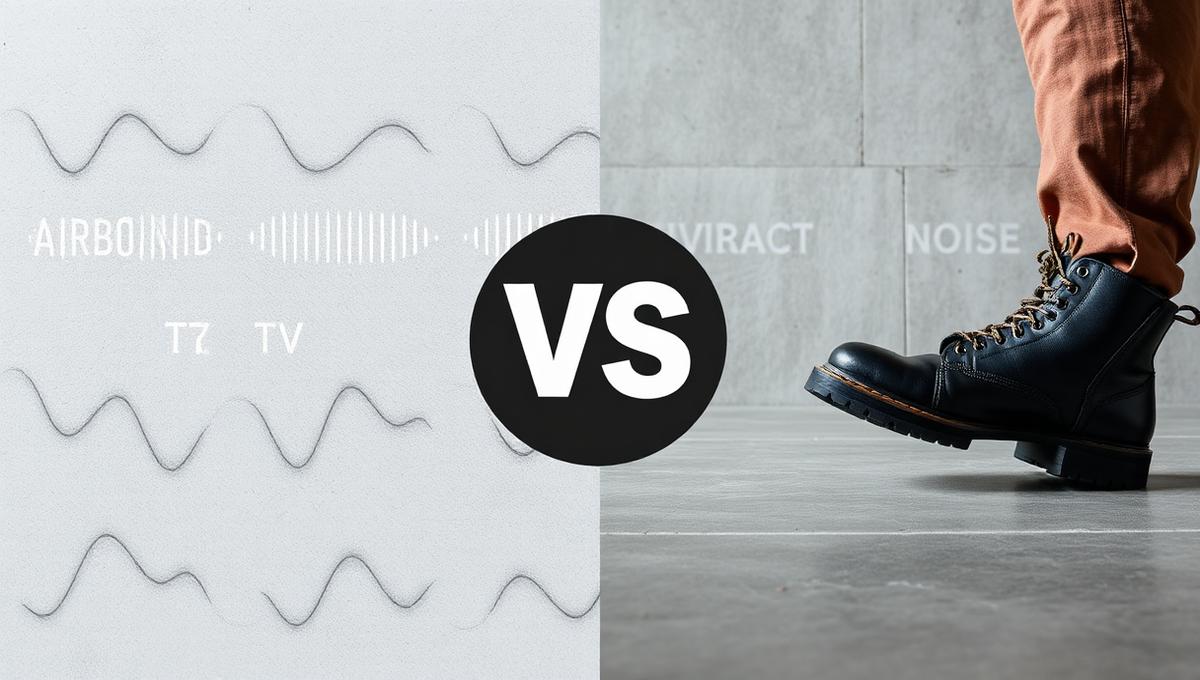
1Two Types of Noise, Two Different Physics
2Airborne Noise: What It Is and How It Travels
• Voices and conversation
• Television and music
• Dogs barking
• Traffic noise from outside
• HVAC system hum
• Appliances (dishwashers, washing machines while running)
3Impact Noise: What It Is and How It Travels
• Footsteps (the #1 complaint in multi-story buildings)
• Furniture dragging or sliding
• Objects dropped on the floor
• Children running or jumping
• Exercise equipment
• Door slams vibrating through framing
4How to Identify Which Problem You Have
• Noise from the side (through walls) → almost always airborne
• Noise from above (through ceiling) → could be either, but footsteps and thuds are impact
• Noise from outside (traffic, neighbors' yard) → airborne
• You can make out words, melodies, or specific sounds → airborne
• You hear thumps, bangs, or rhythmic booming without clear content → impact
• Low-frequency bass you feel more than hear → often airborne bass, but can also be impact-induced resonance
• Constantly during waking hours (TV, conversation) → airborne
• Correlates with movement patterns (morning routines, walking to kitchen) → impact
• Specific events (doors closing, items dropping) → impact
5The Right Fix for Each Noise Type
For Airborne Noise
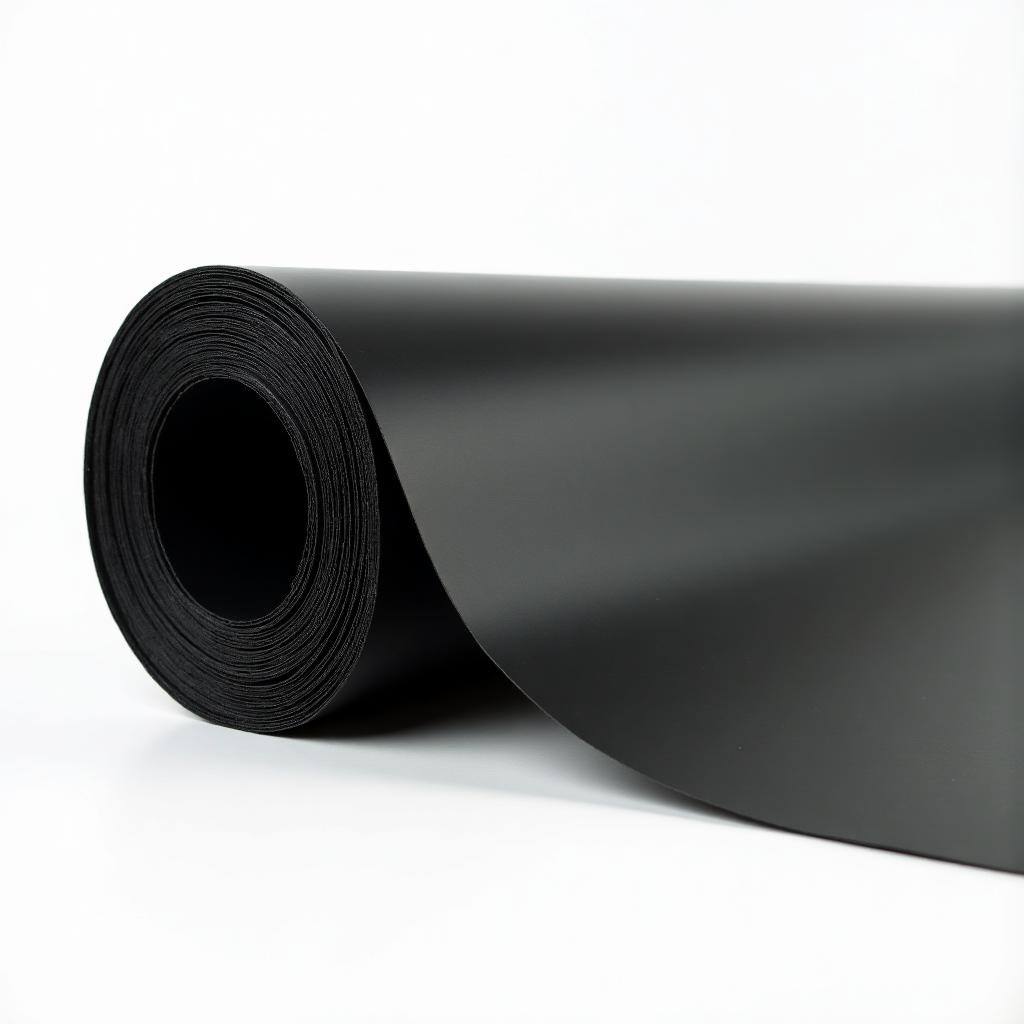
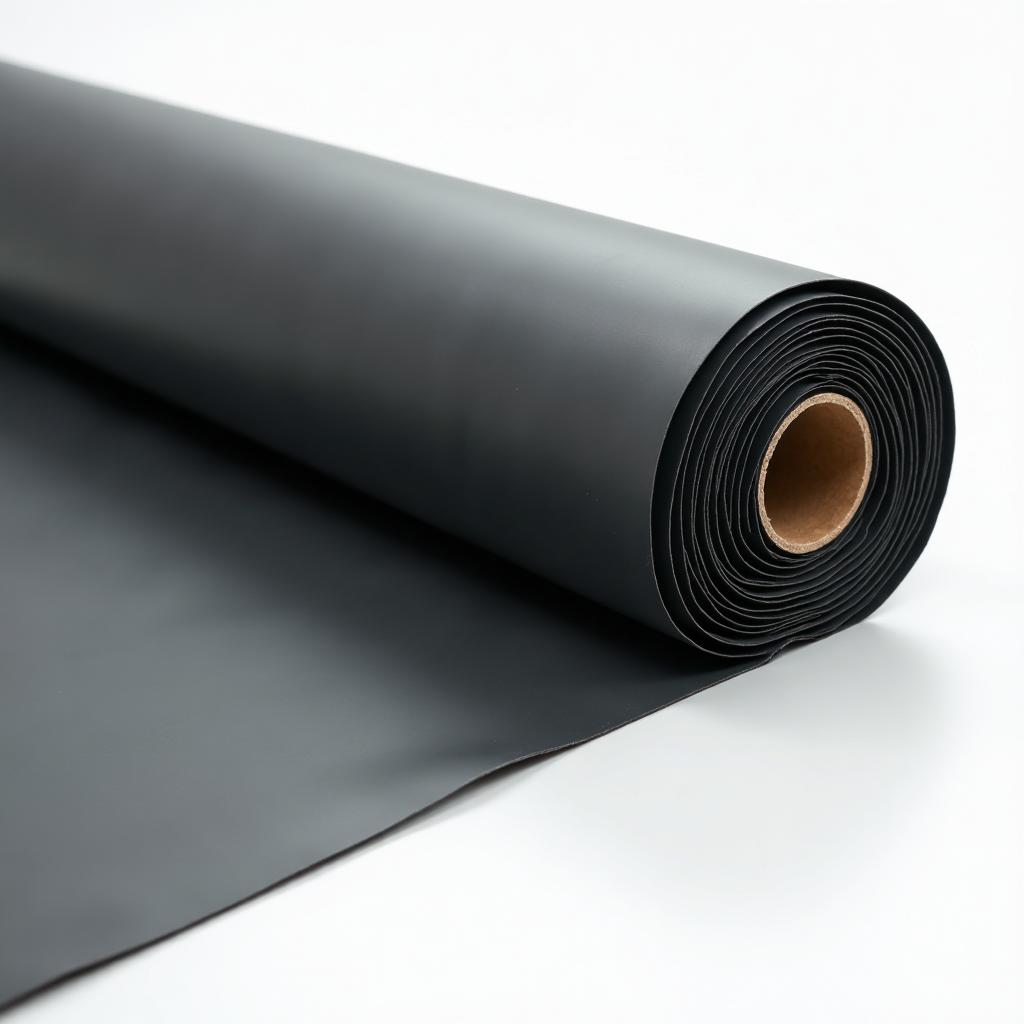
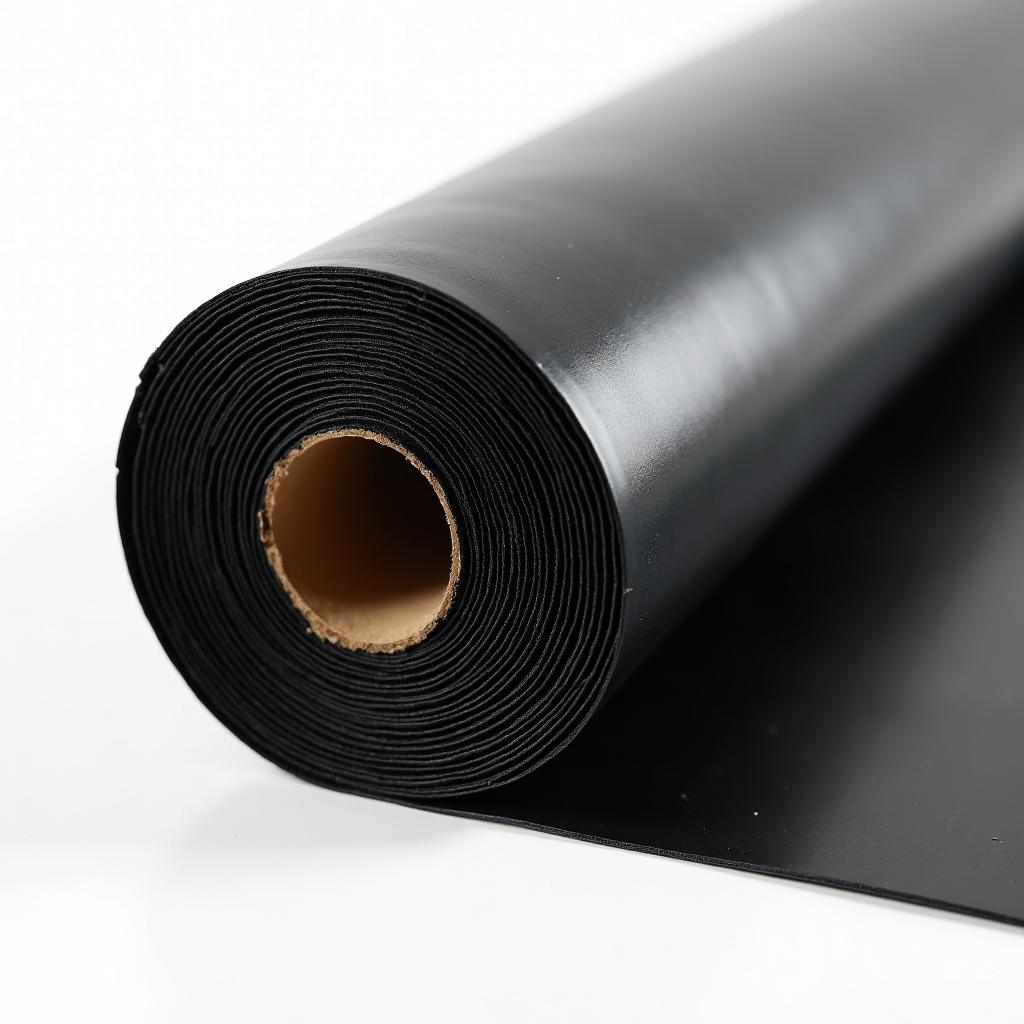
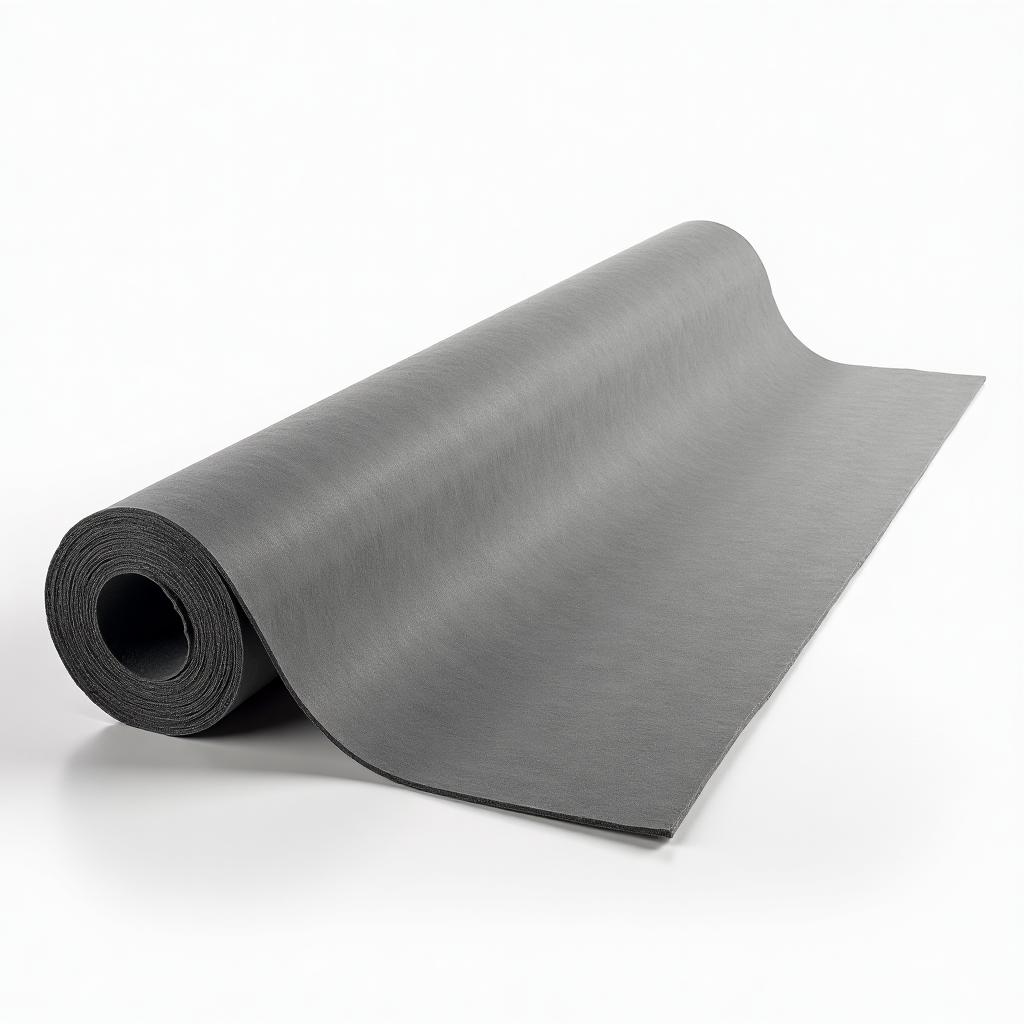
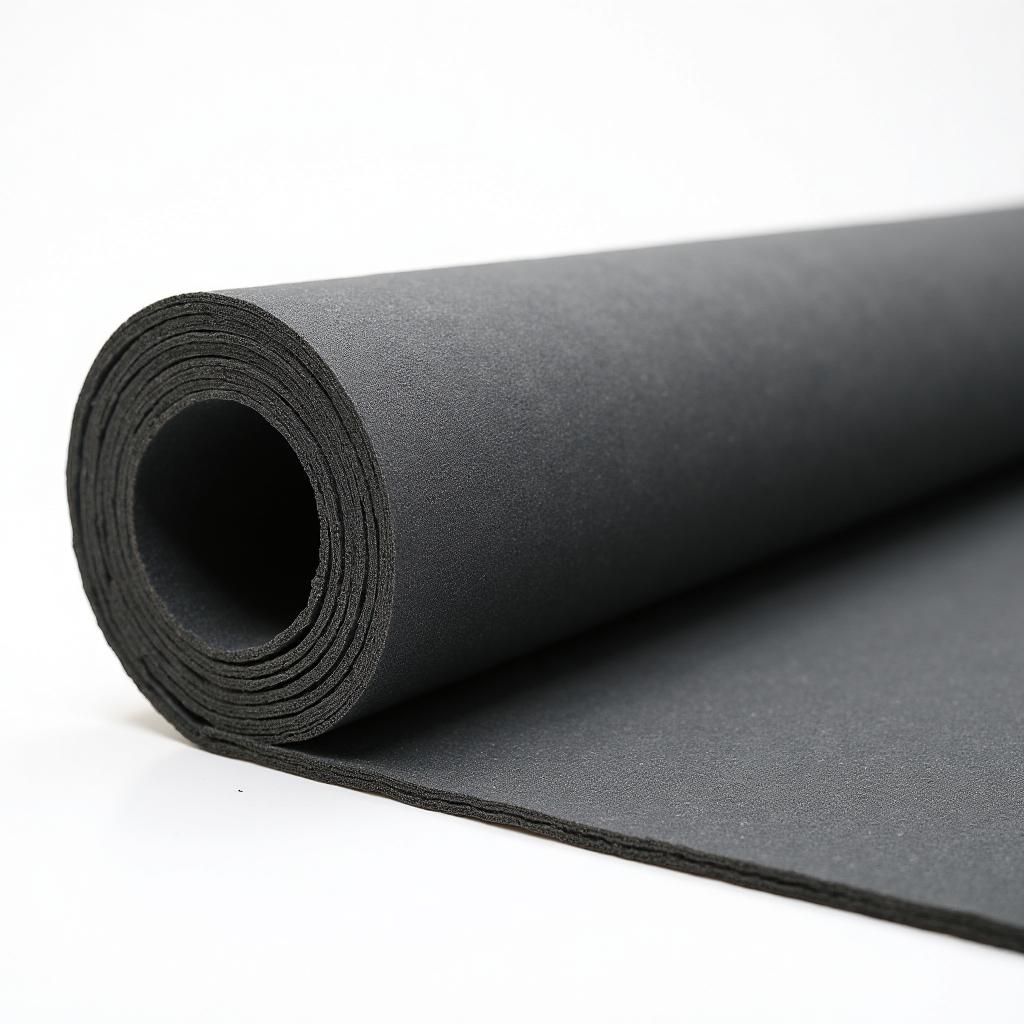
• Mass loaded vinyl (MLV) — the single most effective airborne noise blocker per dollar. A 1 lb/ft² layer adds roughly 9 STC points to a standard wall
• Additional drywall layers — each layer of 5/8" drywall adds mass, but at 1.6 lb/ft² it takes two layers to match one layer of MLV
• Mineral wool cavity fill — absorbs resonance inside the cavity, adding 7–8 STC points
• Acoustic sealant — seals the perimeter and penetrations to eliminate flanking paths
For Impact Noise
• Underlayment at the source — rubber, cork, or specialized acoustic underlayment beneath flooring absorbs impact energy before it enters the subfloor. This is the single most effective treatment
• Floating floors — a floor assembly that sits on resilient pads rather than attaching directly to the subfloor, breaking the vibration path
• Resilient channels or sound clips on the ceiling — mechanically decouple the ceiling drywall from the joists so joist vibrations don't transfer to the drywall
• MLV + decoupling combination — for severe impact problems, MLV on the ceiling adds mass while resilient channels provide decoupling. Together they address both mass deficiency and structure-borne vibration
6What Happens When You Treat the Wrong Type
8Conclusion
FAQs: Airborne Noise vs Impact Noise
Related Guides in Comparisons
Continue exploring with these hand-picked articles
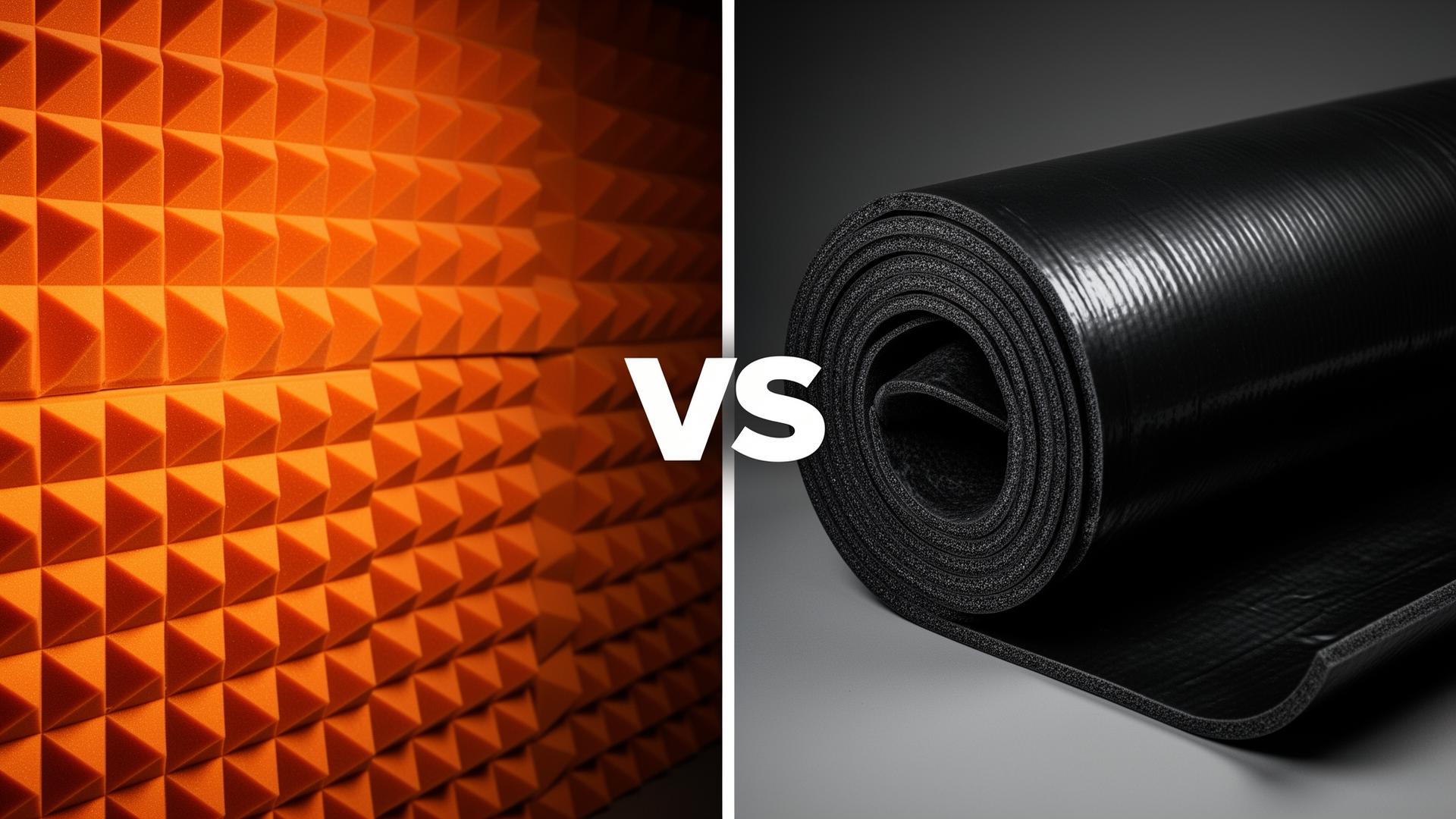
Acoustic Foam vs MLV: Which One Actually Stops Noise?
Acoustic foam absorbs echo while MLV blocks sound transmission—they're not the same thing. Discover which material you actually need, why foam won't stop neighbor noise, and when to use both for optimal acoustic control.
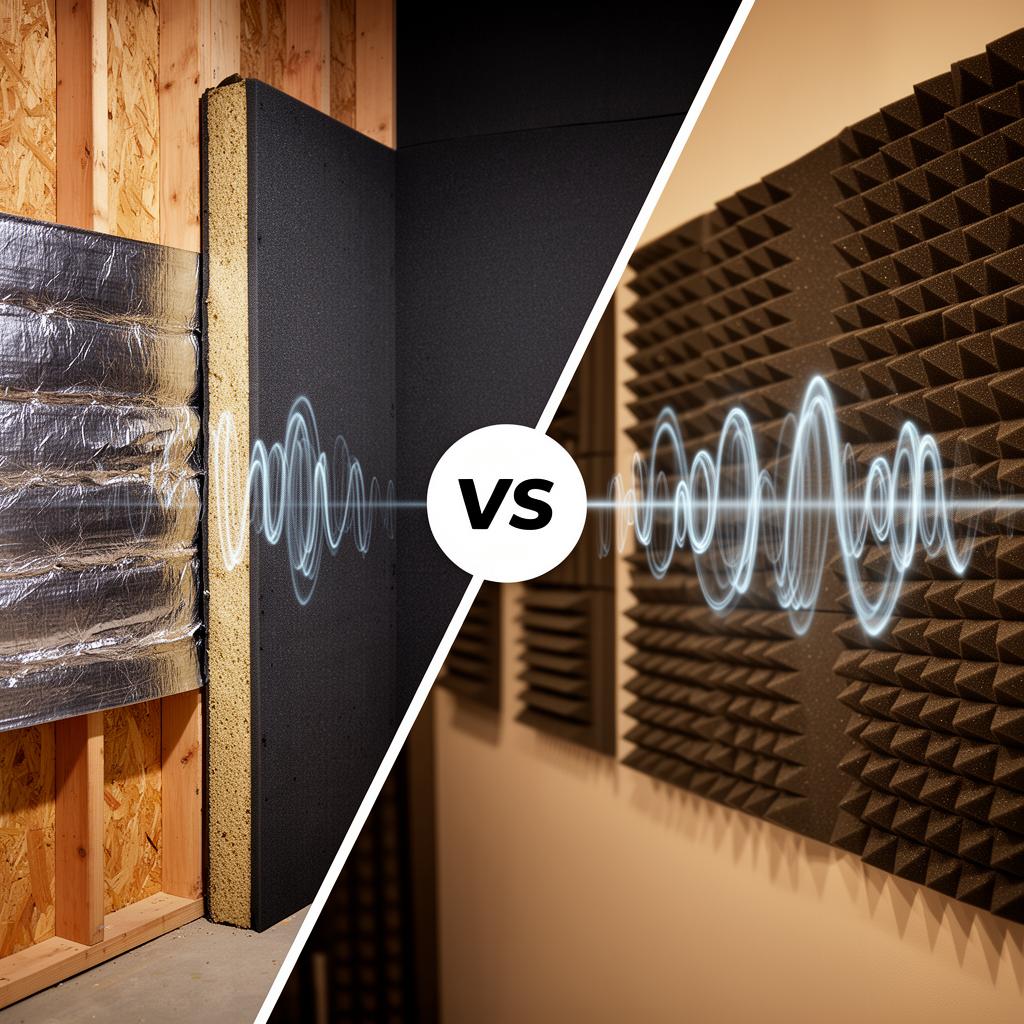
Soundproofing vs Sound Absorbing: The Critical Difference That Costs Thousands
Soundproofing blocks noise between spaces using dense materials like MLV. Sound absorption reduces echo within a room using porous materials like foam. Learn exactly when to use each, how they work differently, and why confusing them wastes thousands of dollars.
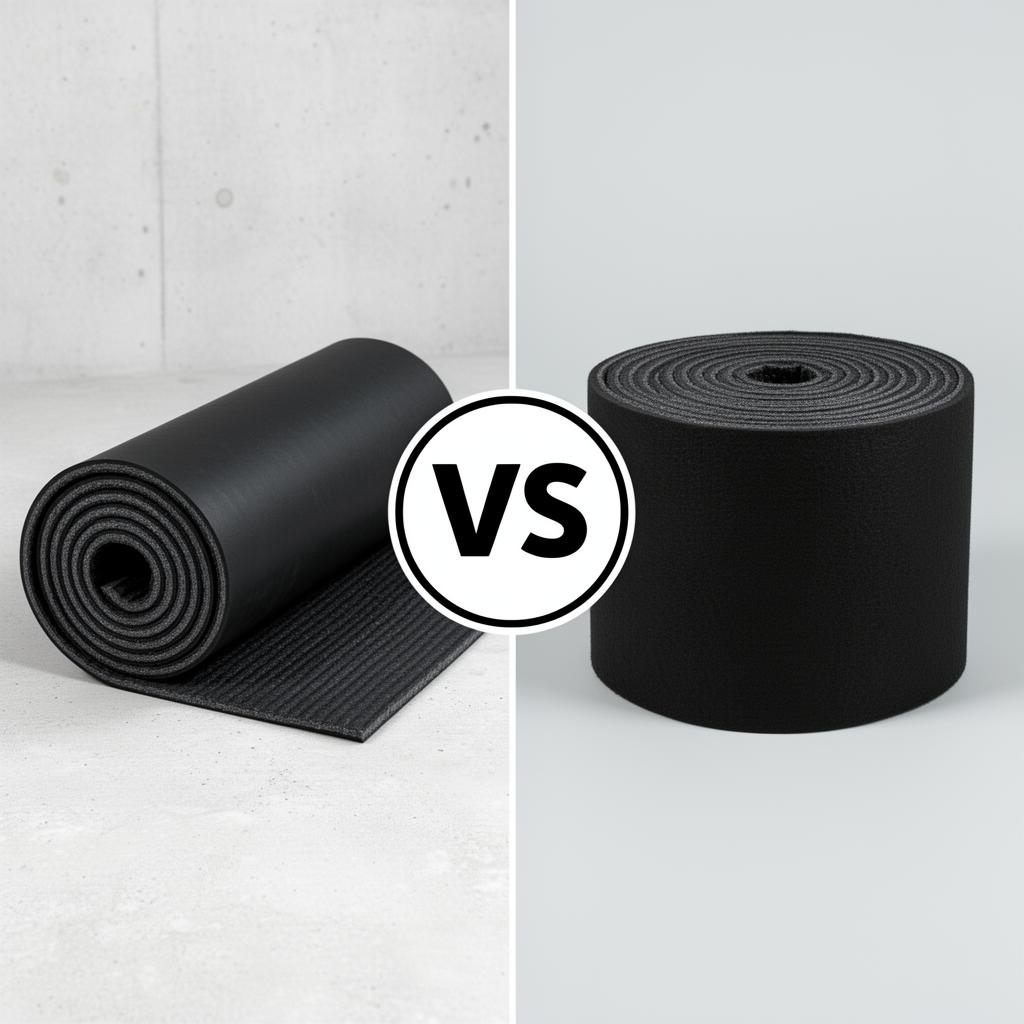
1 lb vs. 2 lb Mass Loaded Vinyl: Which Thickness Should You Buy?
Compare 1 lb/ft² MLV (STC 26) vs 2 lb/ft² MLV (STC 32). Practical buyer's guide covering use cases, cost math, wall assemblies, and when upgrading to 2 lb MLV is worth the investment.
Our Complete Product Line
Professional-grade soundproofing materials for any application
Need Expert Soundproofing Advice?
Our team of soundproofing specialists is here to help you choose the right products and installation methods for your museum or gallery project.