Materials7 min readAuthorMass Loaded Vinyl DirectPublishedUpdated

    Are Acoustic Tiles Worth Installing? What the Material Actually Does
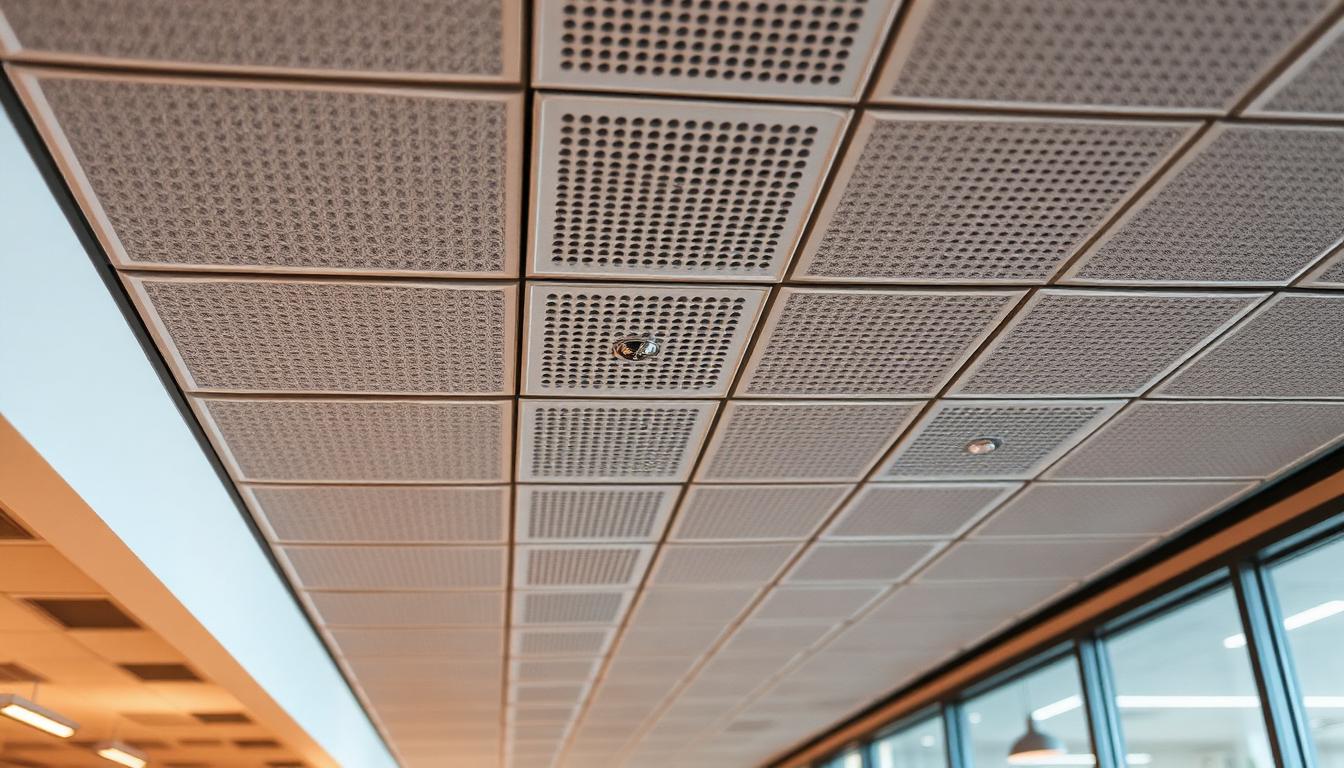
    Commercial drop ceiling with acoustic tiles installed in a metal grid framework showing perforated tile texture in a modern office space
    Commercial drop ceiling with acoustic tiles installed in a metal grid framework showing perforated tile texture in a modern office space

    1What Acoustic Tiles Actually Are

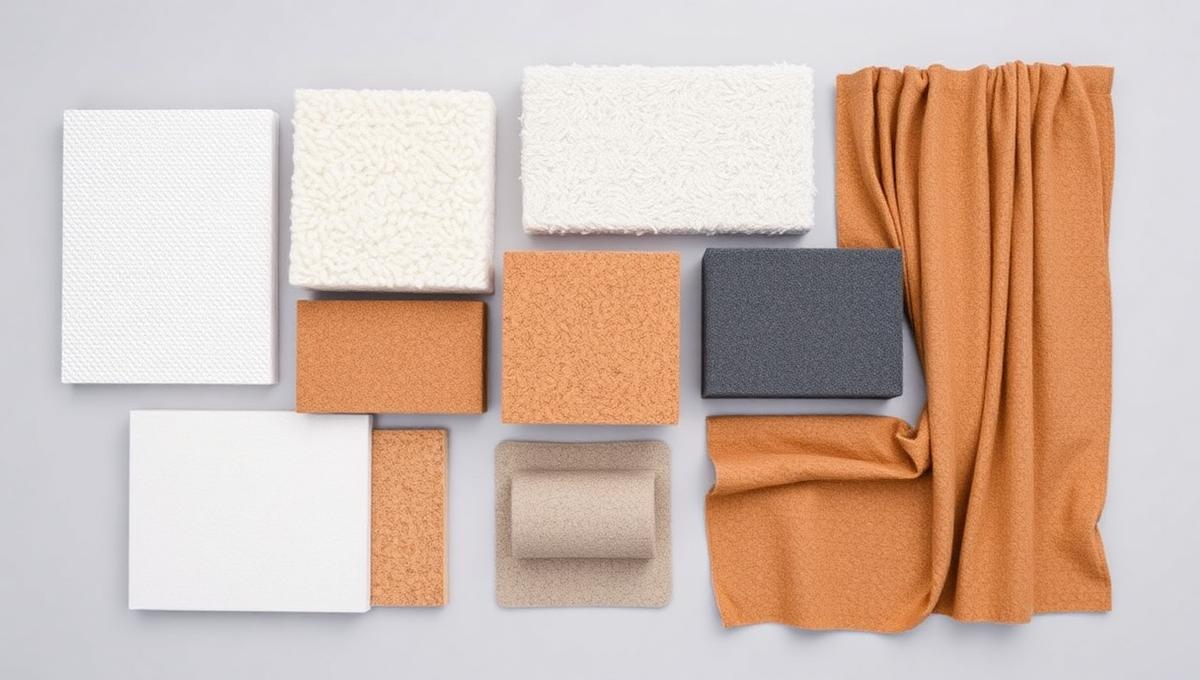
    Acoustic ceiling tiles are lightweight panels made from mineral fiber, fiberglass, or compressed perlite designed to absorb sound energy within a room. They sit in a suspended metal grid (T-bar system) that hangs from the structural ceiling above, creating a gap — called a plenum — between the tile surface and the deck above.
    The tiles themselves are typically 5/8 to 3/4 inches thick and weigh between 0.5-1.5 lbs per square foot. Their surfaces may be smooth, fissured (textured), or perforated — and that surface pattern directly affects how they interact with sound waves.
    Key point: acoustic tiles are a finishing material, not a structural one. They hide ductwork, wiring, and plumbing while providing some degree of sound absorption. They were never engineered to block sound transmission between rooms — that is a fundamentally different job.

    2Absorption vs. Soundproofing: The Critical Distinction

    This is where 90% of confusion about acoustic tiles originates. There are two completely different acoustic problems, and they require completely different solutions:
    Sound absorption reduces echo, reverberation, and noise buildup within a room. It makes a space sound clearer and quieter by preventing sound from bouncing off hard surfaces. Acoustic tiles do this reasonably well.
    Soundproofing (sound isolation) prevents sound from traveling between rooms — through walls, ceilings, and floors. This requires mass, density, and airtight construction. Acoustic tiles do almost nothing for this.
    Think of it this way: hanging a thick curtain inside your bedroom makes the room sound quieter internally (absorption). But it does absolutely nothing to stop your neighbor's music from coming through the wall (soundproofing). Acoustic tiles are the curtain — they treat the room's internal acoustics, not its ability to block external noise.
    A standard acoustic ceiling tile has an STC rating of only 20-35. For reference, normal speech is clearly audible through any barrier rated below STC 40. A standard interior wall without any acoustic treatment scores STC 33-35. So an acoustic tile ceiling provides less sound blocking than a basic stud wall.

    3Types of Acoustic Ceiling Tiles

    Mineral Fiber Tiles (Most Common)

    Made from a wet-formed mixture of mineral wool, clay, perlite, and starch binders. These are the standard tiles found in most commercial buildings. They offer moderate absorption (NRC 0.50-0.70) and are inexpensive at $1-3 per square foot. Brands like Armstrong Ceilings and USG dominate this market.

    Fiberglass Tiles (Best Absorption)

    Made from compressed fiberglass with a painted or fabric-wrapped surface. These offer the highest NRC ratings in the category — typically 0.80-1.00 — and are the best choice when sound absorption is the primary goal. They cost $3-8 per square foot and are common in recording studios, conference rooms, and healthcare facilities.

    Perforated Metal Tiles

    Metal face panels with a fiberglass or mineral wool backer. The perforations allow sound to pass through the metal skin into the absorptive material behind. NRC ratings range from 0.60-0.90 depending on the perforation pattern and backer thickness. These cost $8-15 per square foot and are used in modern architectural applications where aesthetics matter.

    PVC and Vinyl-Faced Tiles

    Moisture-resistant tiles with a vinyl or PVC coating over a mineral fiber or fiberglass core. The impermeable face reduces their NRC rating (typically 0.30-0.50) because the sealed surface reflects rather than absorbs sound. They are designed for kitchens, bathrooms, and pool areas — not acoustic performance.

    4NRC Ratings: What the Numbers Mean

    The Noise Reduction Coefficient (NRC) measures how much sound a material absorbs on a scale from 0 to 1.0. An NRC of 0 means the surface reflects all sound (like a mirror). An NRC of 1.0 means it absorbs all sound energy that hits it.
    Tile TypeNRC RatingCost/sq ftSTC RatingBest Use
    Standard Mineral Fiber0.50-0.70$1-320-35General office
    Fiberglass0.80-1.00$3-825-35Studios & conference
    Perforated Metal0.60-0.90$8-1525-30Modern commercial
    PVC/Vinyl-Faced0.30-0.50$2-520-25Wet areas only
    The practical threshold: For a ceiling tile to make a noticeable difference in room acoustics, it needs an NRC of at least 0.55. Below that, the absorption is too minimal to meaningfully reduce reverberation time (RT60) in most spaces. Standard mineral fiber tiles meet this bar. PVC-faced tiles generally do not.

    5Where Acoustic Tiles Work Well

    Open offices: The single best application. In open-plan offices with hard floors and glass partitions, sound bounces freely and conversations carry across the room. A ceiling full of NRC 0.70+ tiles absorbs a significant portion of that reflected energy, reducing the "cocktail party effect" where everyone talks louder to compensate for ambient noise.
    Classrooms: Student comprehension drops measurably when reverberation time exceeds 0.6 seconds. Standard acoustic tiles bring a typical classroom from RT60 1.2 seconds down to 0.5-0.7 seconds — a massive improvement in speech intelligibility for students sitting in the back rows.
    Medical waiting rooms: Reduces speech privacy concerns by absorbing conversational energy before it travels across the space. Combined with a white noise system, acoustic tiles help meet HIPAA speech privacy requirements.
    Restaurants and cafeterias: High ceilings and hard surfaces create deafening noise levels during busy hours. Acoustic tiles dramatically reduce the buildup of overlapping conversations, clattering dishes, and kitchen noise — improving guest comfort and staff communication.
    Call centers: Any space where dozens of people are talking simultaneously benefits enormously from ceiling absorption. Tiles reduce the cumulative noise floor that forces agents to speak louder, creating a feedback loop of escalating volume.

    6Where Acoustic Tiles Fall Short

    Blocking noise between floors: This is the number one misapplication. If you hear footsteps, music, or voices from the floor above, acoustic tiles will not fix it. The sound is transmitting through the structural deck — and a lightweight tile with an STC of 25 does almost nothing to block it. You need mass — like mass loaded vinyl (MLV) draped over the T-bar grid or applied to the deck above — to meaningfully reduce sound transmission.
    Home theater or music rooms: Acoustic tiles absorb mid and high frequencies effectively but do little for bass frequencies below 250 Hz. Music rooms and home theaters need bass traps, thick panel absorbers, and proper sound isolation — not just ceiling tiles.
    Rooms requiring privacy: If you can hear conversations from the next room through the ceiling plenum, adding better tiles will not solve it. Sound travels through the open plenum space above the tile grid. You need a plenum barrier — MLV draped over the wall partition up to the deck — to block that flanking path.
    Humid environments without proper tiles: Standard mineral fiber tiles absorb moisture, sag, and eventually crumble. If you install standard tiles in a bathroom, kitchen, or pool area, expect replacement within 2-3 years. Only PVC or vinyl-faced tiles belong in wet environments — and those sacrifice acoustic performance for moisture resistance.

    7Cost Breakdown: Are They Worth It?

    For a standard 200-square-foot room, here is what a drop ceiling with acoustic tiles typically costs:
    Grid system (T-bar): $150-300 for materials
    Standard mineral fiber tiles: $200-600 (NRC 0.55-0.70)
    High-performance fiberglass tiles: $600-1,600 (NRC 0.85-1.00)
    Professional installation: $400-800
    Total range: $750-2,700 depending on tile quality
    The verdict: Acoustic ceiling tiles are absolutely worth installing when the problem is internal room acoustics — echo, reverberation, speech intelligibility, and ambient noise buildup. They are a cost-effective, proven solution that has been the industry standard for decades for good reason.
    They are not worth it when the expectation is soundproofing — blocking noise from adjacent rooms or floors above. For that, you need mass-based solutions. The most effective approach for ceilings is installing MLV above the tile grid (draped over the T-bar or attached to the structural deck), which adds the mass needed to actually block sound transmission while the tiles below handle absorption.
    The smartest investment combines both: MLV above for sound blocking + acoustic tiles below for absorption. This dual approach addresses both internal acoustics and sound isolation — something neither material achieves alone.

    9Conclusion

    Acoustic ceiling tiles are genuinely effective at what they are designed to do: absorb sound energy within a room, reduce reverberation, and improve speech clarity. For offices, classrooms, medical facilities, and restaurants, they are one of the best acoustic investments per dollar. But they are not soundproofing materials — they will not block noise from the floor above or the room next door. If you need both absorption and sound blocking, the answer is a layered system: mass loaded vinyl above the grid for isolation, and quality acoustic tiles below for absorption. Understanding this distinction saves you from the most common acoustic disappointment in commercial construction.

    FAQs: Acoustic Ceiling Tiles

    Need Expert Soundproofing Advice?

    Our team of soundproofing specialists is here to help you choose the right products and installation methods for your museum or gallery project.