Nursery Soundproofing: Keep Baby Sleeping & Contain the Crying
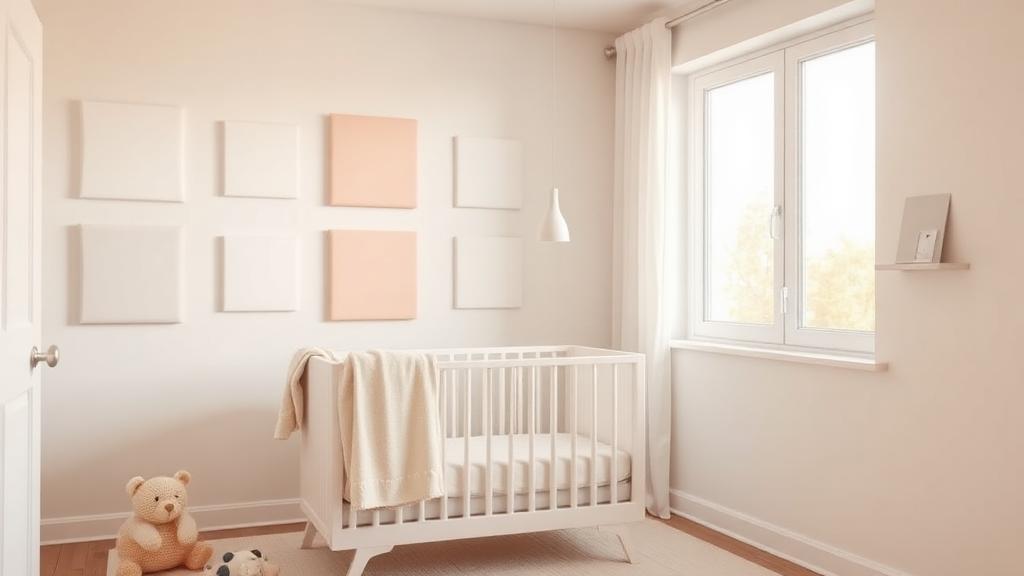
1The Nursery Noise Challenge
Nurseries have unique soundproofing requirements that differ from other rooms.
Noise That Wakes Babies
Babies are surprisingly sensitive sleepers, especially during light sleep cycles:
- Sudden noises: Doors closing, dogs barking, phones ringing
- Voice carry: Conversations in adjacent rooms, TV audio
- Outside noise: Traffic, garbage trucks, lawn equipment
- Household sounds: Footsteps, plumbing, HVAC cycling
- Sibling noise: Older children playing, music, video games
Noise That Escapes
Baby crying can reach 100-110 dB—louder than a lawn mower. This affects:
- Parents trying to sleep during night wakings
- Other children's sleep schedules
- Work-from-home productivity
- Apartment neighbors (complaint potential)
- General household peace
2Two-Way Sound Control
Effective nursery soundproofing works in both directions.
Keeping Noise OUT (Sleep Protection)
The goal is reducing external noise below the threshold that triggers waking. You don't need silence—just consistent, low background levels.
| Priority | Noise Source | Best Solution |
|---|---|---|
| Critical | Door gaps | Weatherstripping + sweep |
| Critical | Thin door | Solid-core replacement or door blanket |
| High | Window noise | Heavy curtains + secondary glazing |
| High | Adjacent room TV/voices | White noise masking |
| Medium | Footsteps above | Rugs upstairs + ceiling treatment |
Keeping Noise IN (Cry Containment)
Containing crying protects everyone else's sleep and sanity. The same improvements that block noise coming in also block noise going out.
3Quick Wins (No Construction)
Start here—these solutions take minutes to implement and cost under $100.
Door Draft Stopper
The gap under most interior doors is 1/2" to 1"—enough for significant sound leakage. A simple door sweep or draft stopper provides immediate improvement for under $20.
Door Weatherstripping
Foam or rubber weatherstripping around the door frame seals the perimeter gaps. Self-adhesive strips install in 15 minutes.
Outlet Covers
Electrical outlets on shared walls are direct sound pathways. Foam gaskets behind outlet covers reduce this flanking path.
Quick Win Checklist
| Item | Cost | Install Time | Impact |
|---|---|---|---|
| Door sweep | $10-25 | 5 min | High |
| Weatherstripping kit | $15-30 | 15 min | High |
| Outlet gaskets (6-pack) | $5-10 | 10 min | Low-Medium |
| Door draft stopper | $10-20 | 0 min | Medium |
4Door Improvements
The nursery door is typically the biggest weak point in the room's sound isolation.
The Hollow-Core Problem
Most interior doors are hollow-core—basically two thin sheets of material with cardboard honeycomb inside. They provide almost no sound blocking (STC 20-25).
Solid-Core Door Upgrade
Replacing with a solid-core door dramatically improves sound isolation:
- Solid wood core: STC 30-35
- Solid composite core: STC 28-33
- MDF core: STC 27-32
Cost: $150-400 for door + installation. This is often the single most impactful upgrade you can make.
Door Blanket Alternative
If door replacement isn't possible, a heavy acoustic blanket hung over the inside of the door adds mass without permanent changes. Look for blankets with mass-loaded cores (not just quilted fabric).
Complete Door Sealing
Even a solid door performs poorly with gaps. Ensure you have:
- Automatic door bottom (closes when door shuts)
- Perimeter weatherstripping (foam or magnetic)
- Threshold seal if floor gap is large
5Window Solutions
Windows are the primary path for exterior noise—traffic, neighbors, and landscaping equipment.
Blackout Curtains (Dual Purpose)
Heavy blackout curtains serve double duty: blocking light for daytime naps AND providing some noise reduction. Look for:
- Multiple fabric layers
- Thermal/acoustic backing
- Floor-to-ceiling length
- Wide enough to overlap walls by 6"+ on each side
Noise reduction: 3-7 dB (modest but meaningful when combined with other treatments).
Acoustic Curtains
Purpose-built acoustic curtains with mass-loaded cores provide better sound blocking than standard blackout curtains. They're heavier and more expensive ($100-300 per window) but more effective.
Window Inserts
Secondary glazing panels that mount inside your window frame create an air gap that significantly reduces sound transmission. Options include:
- Acrylic panels with magnetic seals
- Glass inserts with compression seals
- DIY frame with acoustic-grade plastic
Noise reduction: 10-15 dB when properly sealed.
6White Noise & Sound Masking
Sometimes the best solution isn't blocking noise—it's masking it with consistent background sound.
How Sound Masking Works
White noise doesn't reduce actual noise levels, but it raises the "floor" of ambient sound so that spikes (door slams, voices) are less jarring. Babies sleep better with consistent sound than with jarring quiet-to-loud transitions.
White Noise Machine Options
| Type | Pros | Cons | Cost |
|---|---|---|---|
| Mechanical fan-based | Natural sound, no loops | Louder, some have hum | $30-60 |
| Electronic (speaker) | Volume control, sound options | May have audible loop points | $20-80 |
| Smart speaker app | Free if you own device | Depends on wifi, possible ads | Free |
| Dedicated baby sound machine | Baby-specific features, portable | Variable quality | $25-100 |
Placement Tips
- Position between the noise source and crib (near door or window)
- Keep at least 3 feet from baby's ears
- Volume should be about 50-60 dB (similar to shower running)
- Avoid placing directly in crib
Combining with Soundproofing
White noise works best alongside physical soundproofing. Block what you can, mask the rest. This combination is often more effective than either approach alone.
7Soft Furnishings That Help
The items already in your nursery can contribute to better acoustics.
Area Rugs
A large, thick rug with quality pad underneath:
- Reduces footstep noise in the room
- Absorbs some airborne sound
- Prevents sound transmission to rooms below
Upholstered Furniture
A plush rocker, upholstered glider, or stuffed armchair absorbs sound reflections and reduces echo. This makes the room feel quieter even if actual noise levels are similar.
Fabric Wall Hangings
Quilts, tapestries, or fabric panels on walls provide absorption. Thick, heavy fabrics work better than thin decorative pieces.
Bookshelf Strategy
A filled bookshelf against a shared wall adds mass and absorption. Books are surprisingly effective at blocking sound—they're dense, varied in size (preventing resonance), and have absorptive paper surfaces.
What Doesn't Help Much
- Thin curtains (need mass to block sound)
- Foam tiles/egg crate (absorb echo but don't block transmission)
- Stuffed animals (too small to matter acoustically)
8MLV for Serious Soundproofing
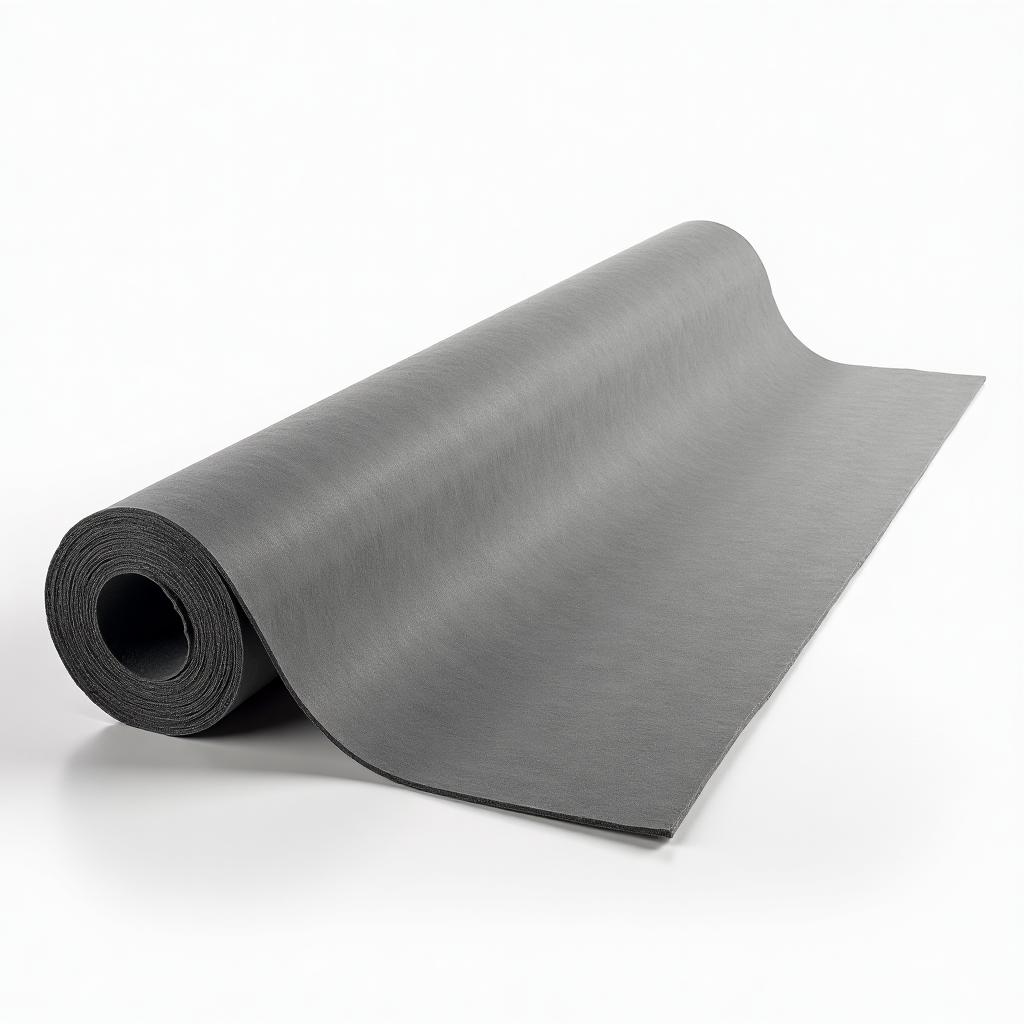
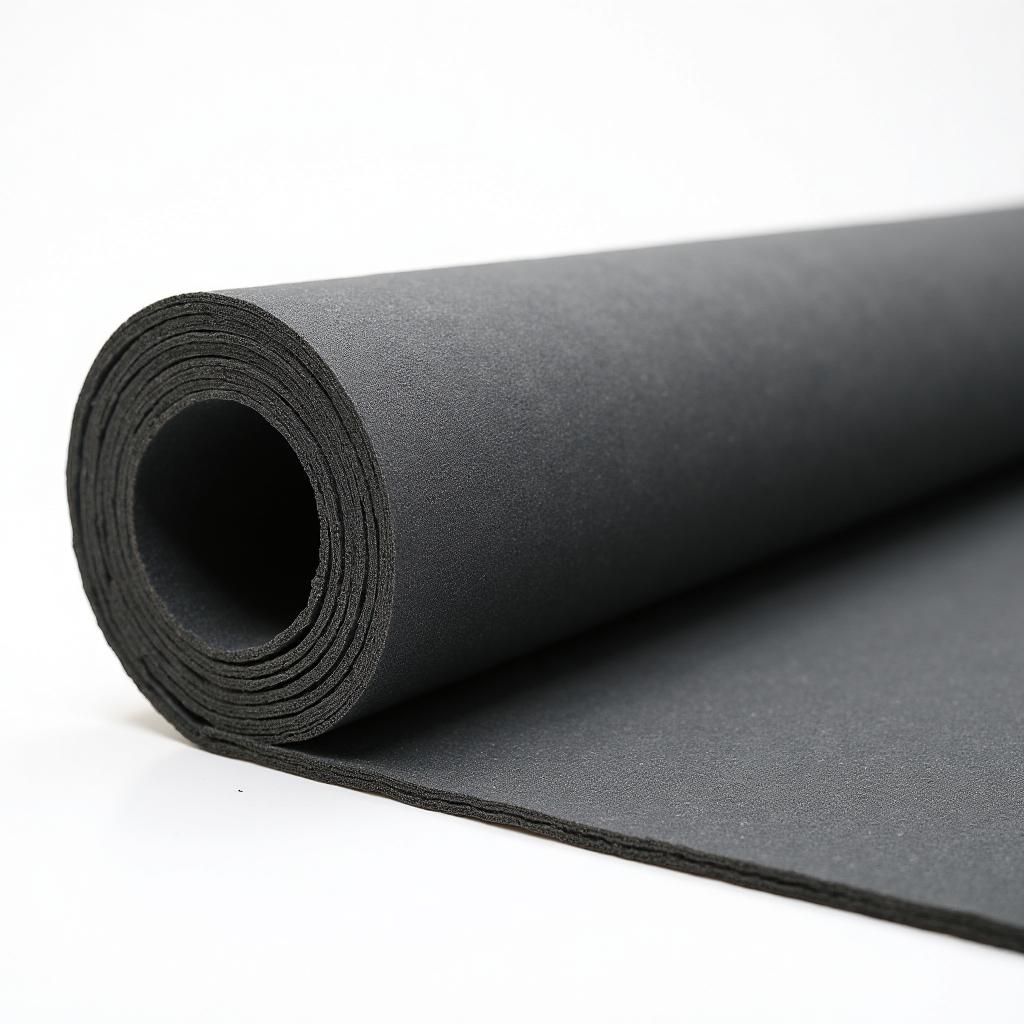
When simple solutions aren't enough, Mass Loaded Vinyl provides serious noise blocking.
When to Consider MLV
MLV makes sense when:
- You own your home and can modify walls
- Noise problems are severe (busy road, loud neighbors)
- Baby is extremely noise-sensitive
- You need to contain very loud crying (apartment living)
- Simple solutions haven't worked
MLV Wall Treatment
For a shared wall with a noisy room (living room TV, sibling's bedroom):
- Remove existing drywall or add to existing surface
- Add mineral wool insulation in cavity
- Attach 1 lb MLV to studs, sealing all seams
- Install 5/8" drywall over MLV
- Seal perimeter with acoustic caulk
This assembly can achieve STC 50+, making normal conversation inaudible through the wall.
MLV Door Panel
Without replacing your door, you can attach 1 lb MLV to the interior face, then cover with fabric for appearance. This adds significant mass to a hollow-core door.
Performance Comparison
| Treatment Level | Typical STC | Cost Range | Construction Required |
|---|---|---|---|
| Basic (seals only) | 25-30 | $50-100 | None |
| Moderate (door + curtains) | 30-35 | $200-500 | Minimal |
| Solid door + seals + curtains | 35-40 | $400-800 | Door install |
| MLV wall treatment | 45-50 | $500-1,500 | Drywall work |
| Full room (walls + ceiling) | 50-55 | $2,000-5,000 | Major renovation |
9Renter-Friendly Options
Apartment dwellers can still make significant improvements without violating lease terms.
Removable Door Treatments
- Magnetic weatherstripping (removes cleanly)
- Hanging door blanket on hooks
- Removable door sweep (adhesive or pressure-fit)
Freestanding Panels
Build or buy acoustic panels that lean against walls without attachment. MLV-core panels wrapped in fabric provide meaningful blocking without wall damage.
Furniture Placement
Strategic furniture positioning costs nothing:
- Bookshelf against shared wall with neighbors
- Dresser against wall with noisy hallway
- Crib position away from noise sources
Neighbor Communication
Sometimes the best soundproofing is social:
- Let neighbors know you have a newborn
- Share baby's typical sleep schedule
- Exchange phone numbers for urgent situations
- Consider a white noise machine gift for their side of the wall
11Conclusion
A well-soundproofed nursery means better sleep for everyone—baby, parents, siblings, and neighbors. Start with the quick wins: door seals, weatherstripping, and a quality white noise machine. These simple solutions solve most moderate noise problems without any construction.
For more serious noise issues, work up through solid doors, heavy curtains, and window treatments. Reserve MLV and wall construction for situations where simpler solutions haven't provided enough relief. Remember that combining approaches (blocking + masking) often works better than relying on any single solution.
The investment in nursery soundproofing pays off in better sleep, less stress, and a calmer household during those challenging early months and years.
FAQs: Nursery Soundproofing
Related Guides in Residential Soundproofing
Continue exploring with these hand-picked articles
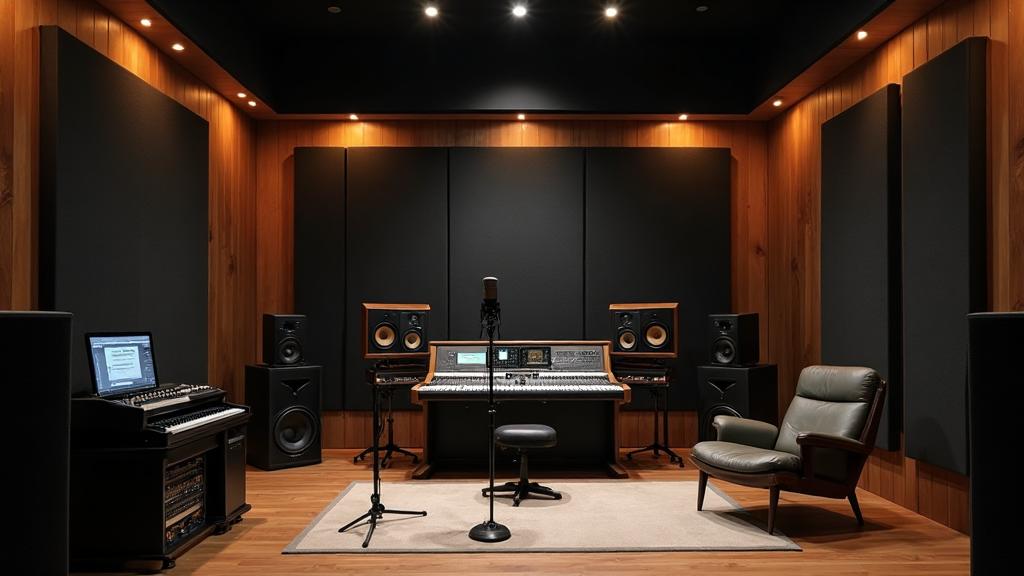
Home Studio Soundproofing with Mass Loaded Vinyl (MLV)
Complete guide to soundproofing your home studio with Mass Loaded Vinyl. Achieve professional-grade STC 55-60 isolation for recording, mixing, and producing without disturbing neighbors or household members.
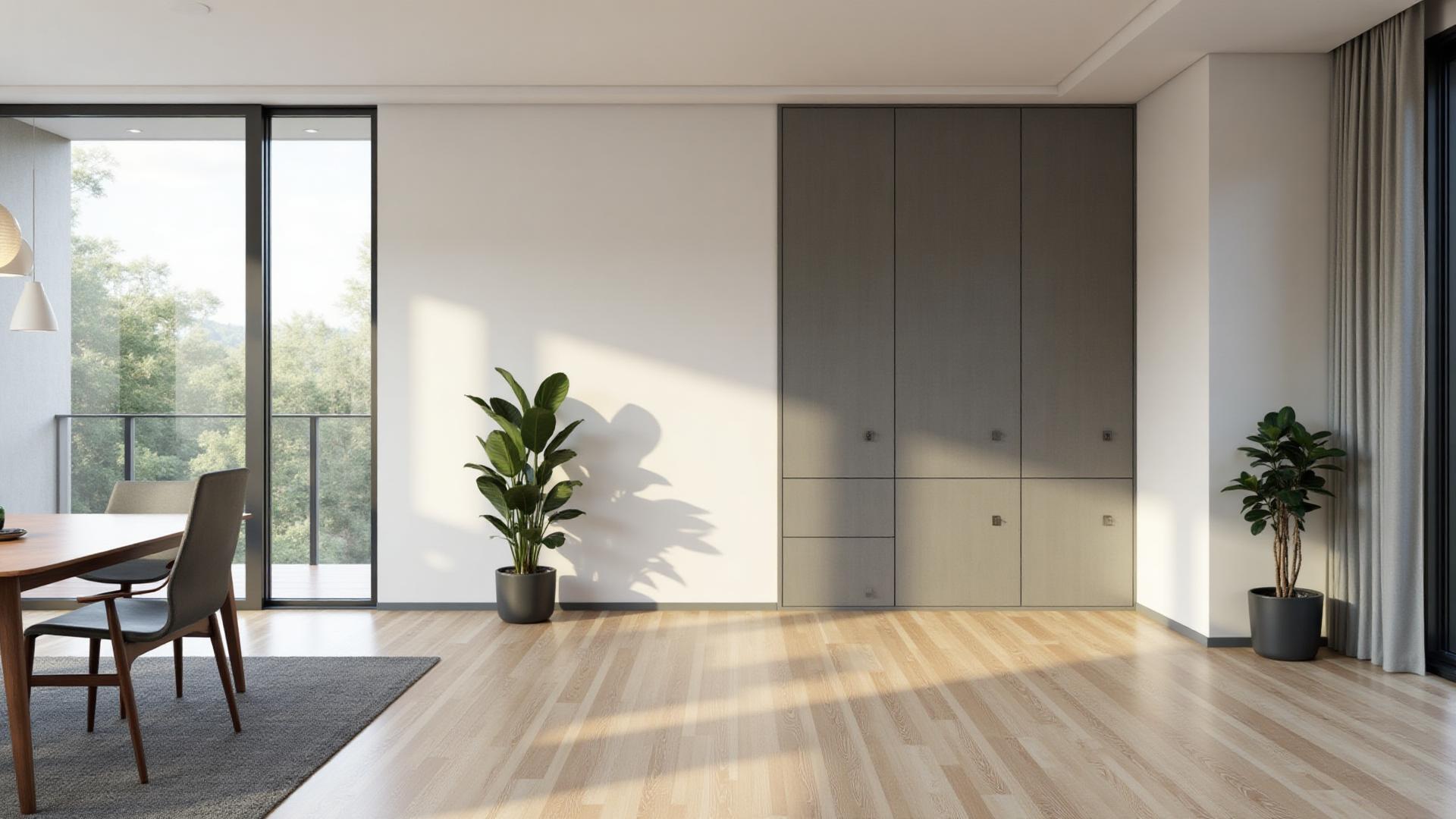
Apartment Soundproofing with Mass Loaded Vinyl (MLV)
Transform your apartment, studio, or loft into a peaceful retreat. Complete guide to using Mass Loaded Vinyl for blocking neighbor noise through walls, ceilings, and floors—solutions for renters and owners.
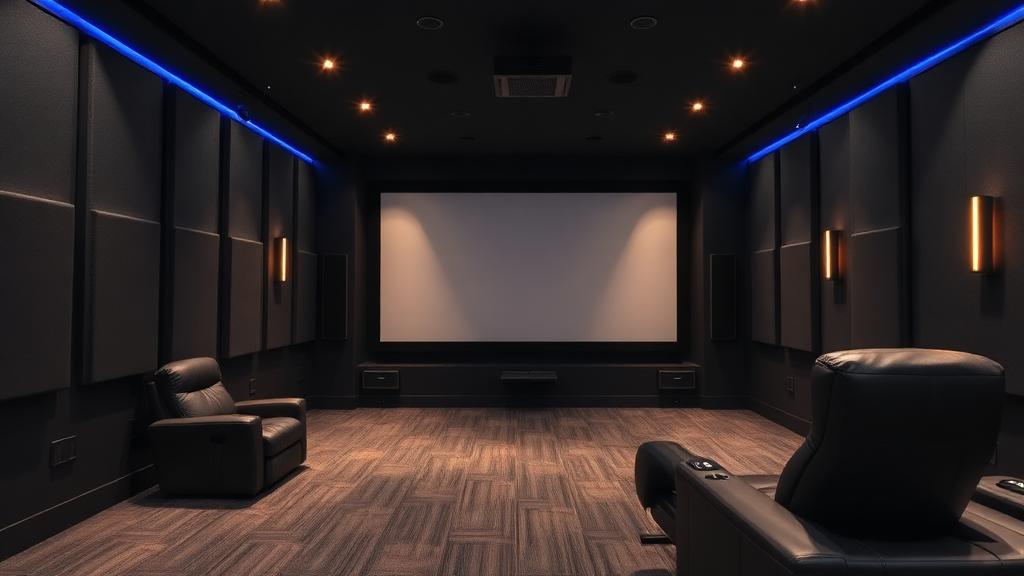
Home Theater Soundproofing with Mass Loaded Vinyl (MLV)
Keep your movie nights from disturbing the rest of the house or neighbors. Complete guide to using Mass Loaded Vinyl for containing loud movies, music, and gaming sound in your dedicated home theater room.
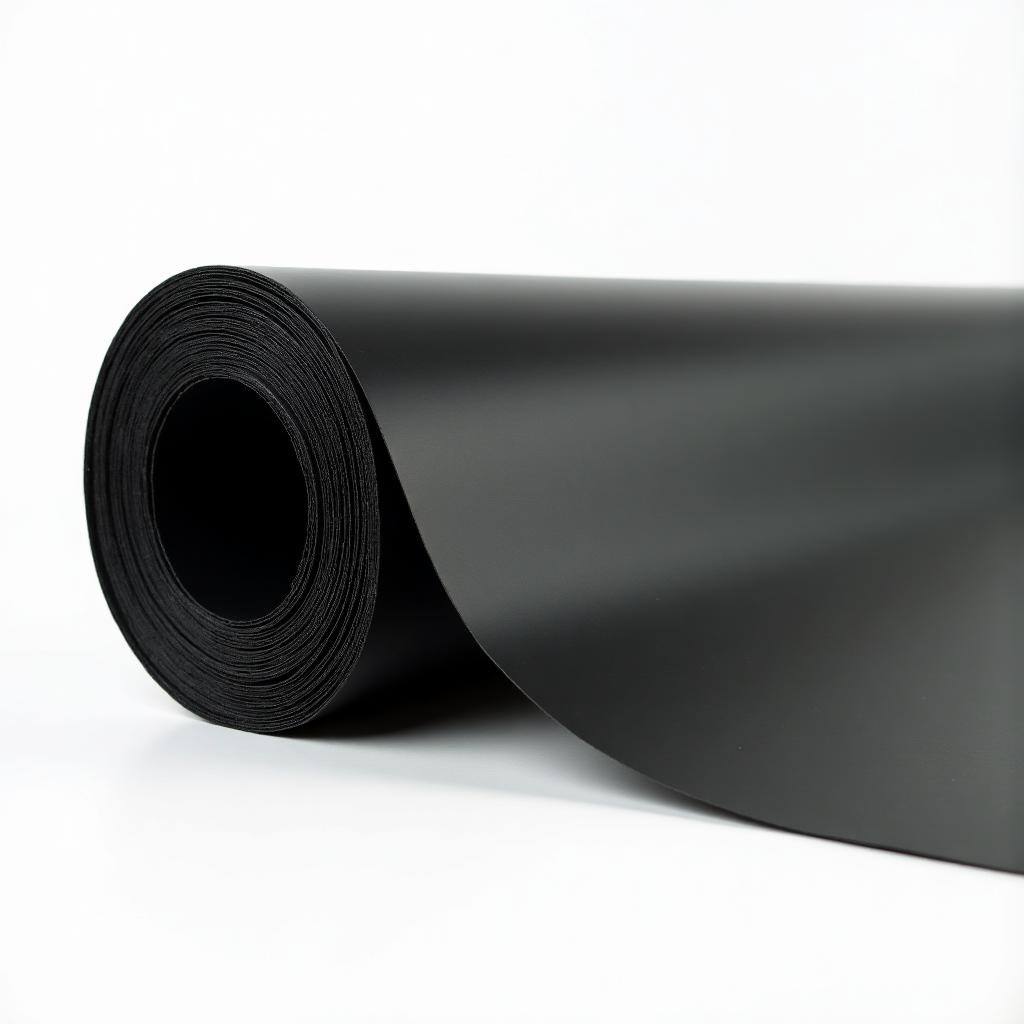
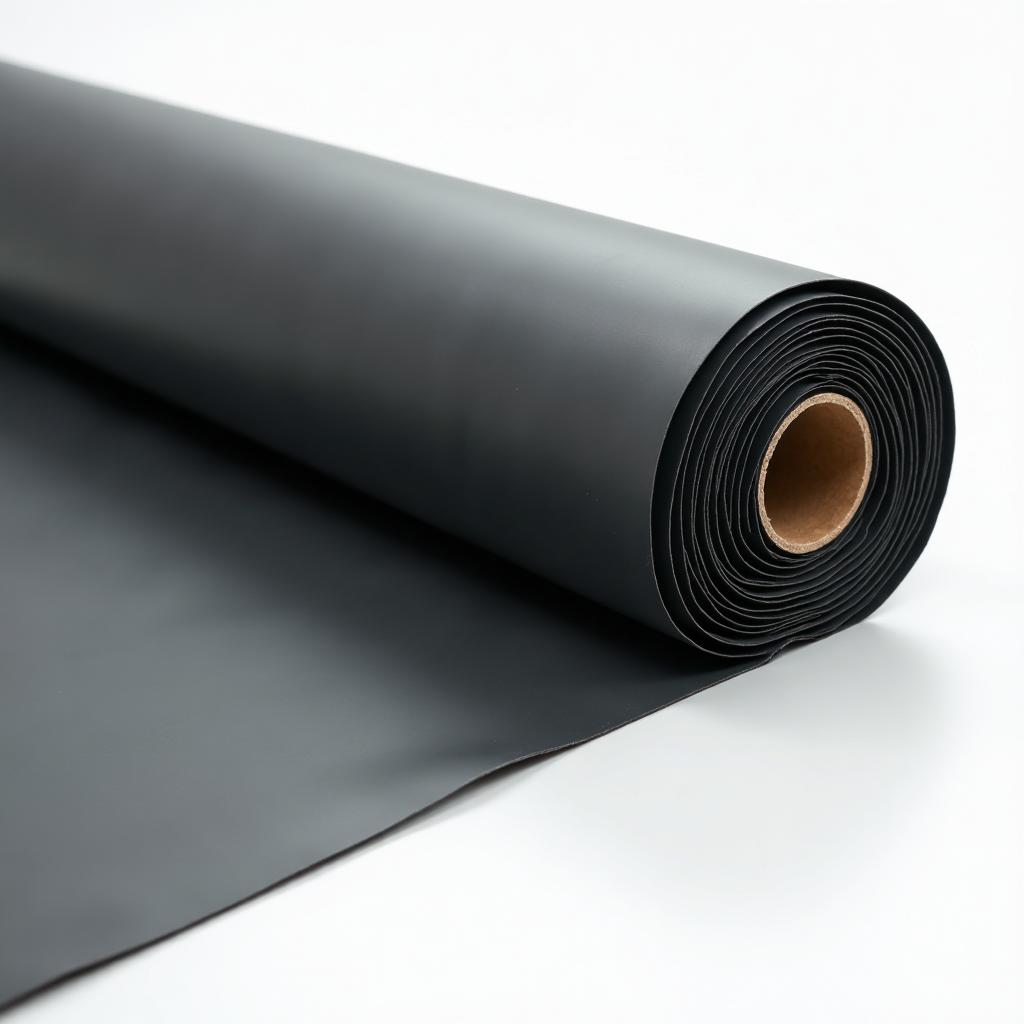
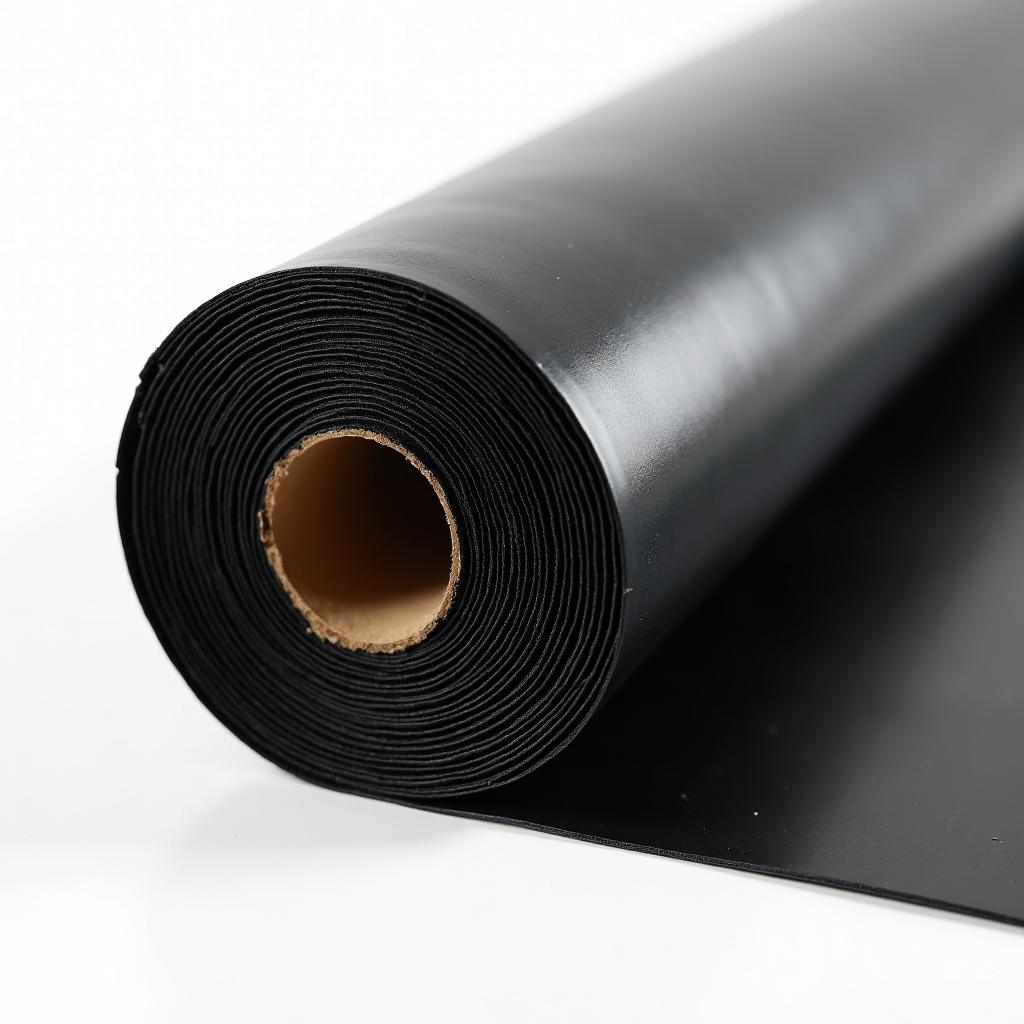
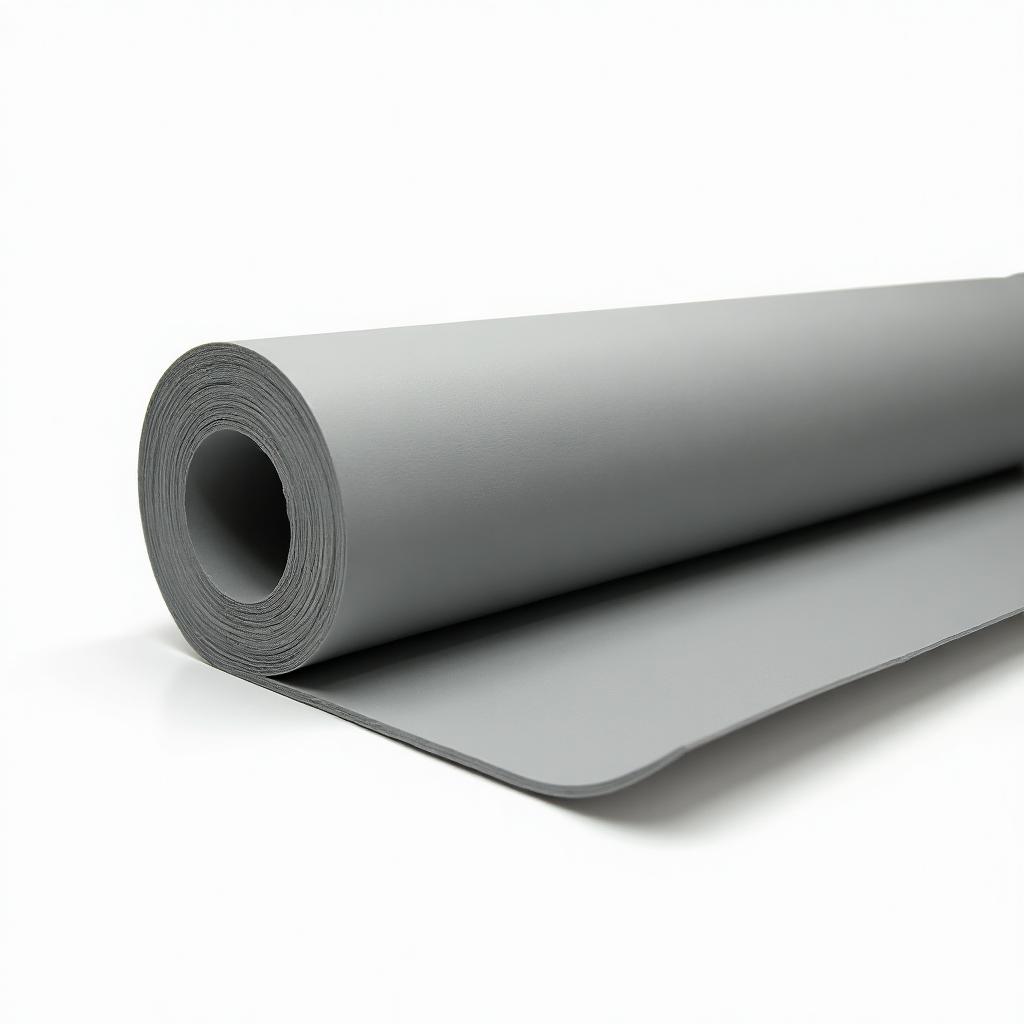
Our Complete Product Line
Professional-grade soundproofing materials for any application
Need Expert Soundproofing Advice?
Our team of soundproofing specialists is here to help you choose the right products and installation methods for your museum or gallery project.