Home Theater Soundproofing with Mass Loaded Vinyl (MLV)
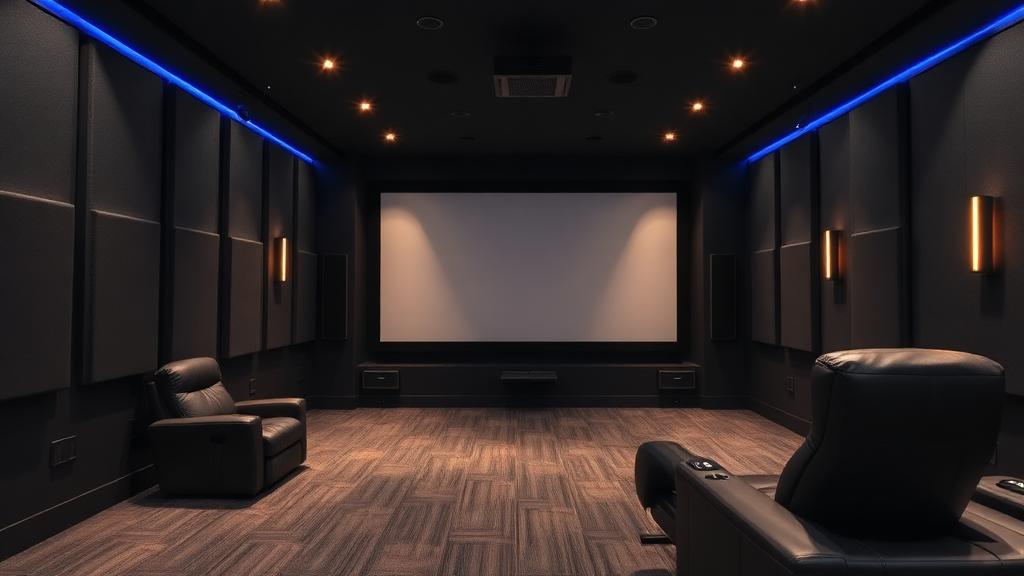
1The Home Theater Sound Challenge
Home theaters present unique soundproofing challenges that differ from recording studios or general room acoustics.
What Makes Theaters Different
Unlike a bedroom or home office, theaters are designed to produce loud sound:
- High SPL levels: Reference level is 85 dB with peaks hitting 105+ dB during action sequences
- Full frequency range: Subwoofers produce frequencies down to 20 Hz that easily penetrate standard walls
- Extended duration: A 2-hour movie at high volume creates sustained sound pressure, not brief peaks
- Multiple channels: 5.1, 7.1, or Atmos systems direct sound at every wall surface
Where Sound Escapes
Sound leaves your theater through multiple paths:
- Direct transmission: Through walls, ceiling, and floor
- Structural flanking: Vibration traveling through studs, joists, and ducting
- Air gaps: Doors, electrical boxes, HVAC registers, and any penetration
- Subwoofer coupling: Bass physically vibrating the floor into adjacent spaces
2Why MLV Is Ideal for Home Theaters
MLV addresses the core physics of sound containment in ways that other materials cannot.
Mass Law Advantage
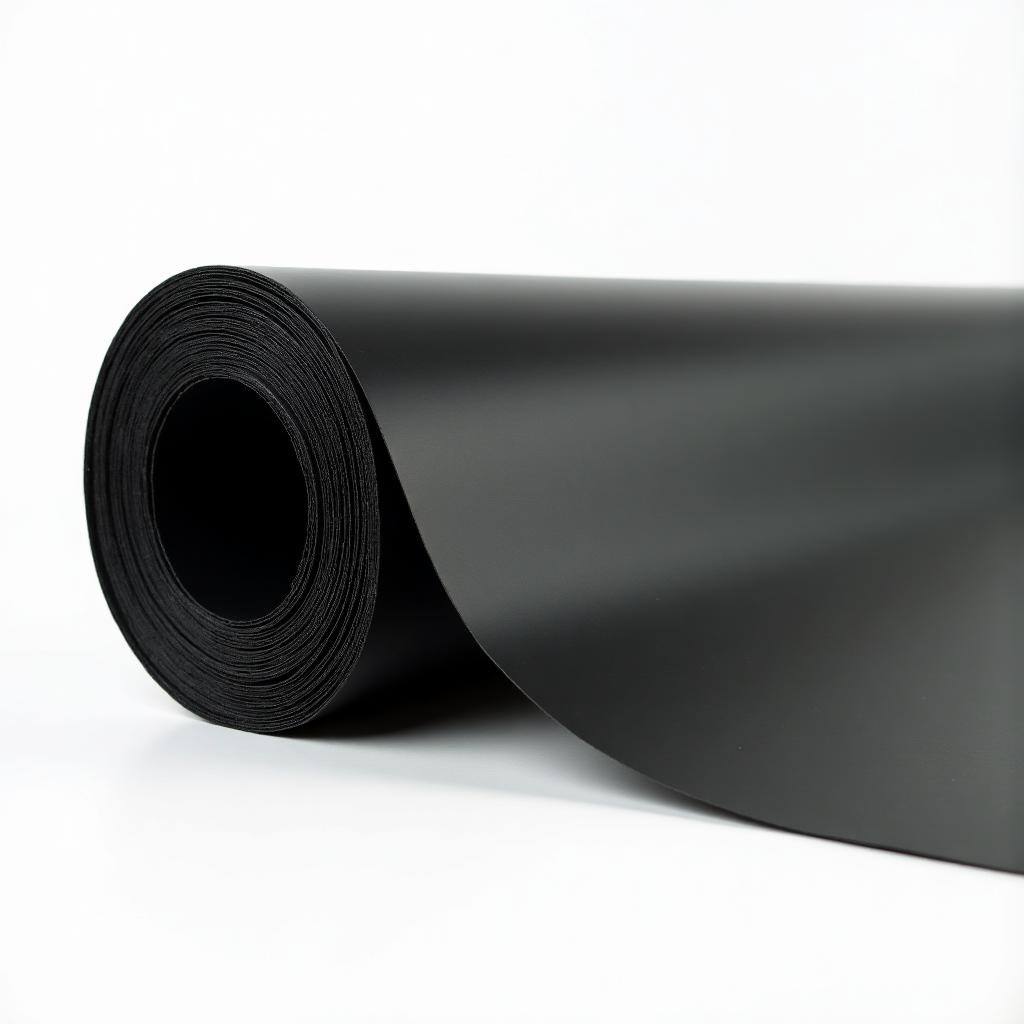
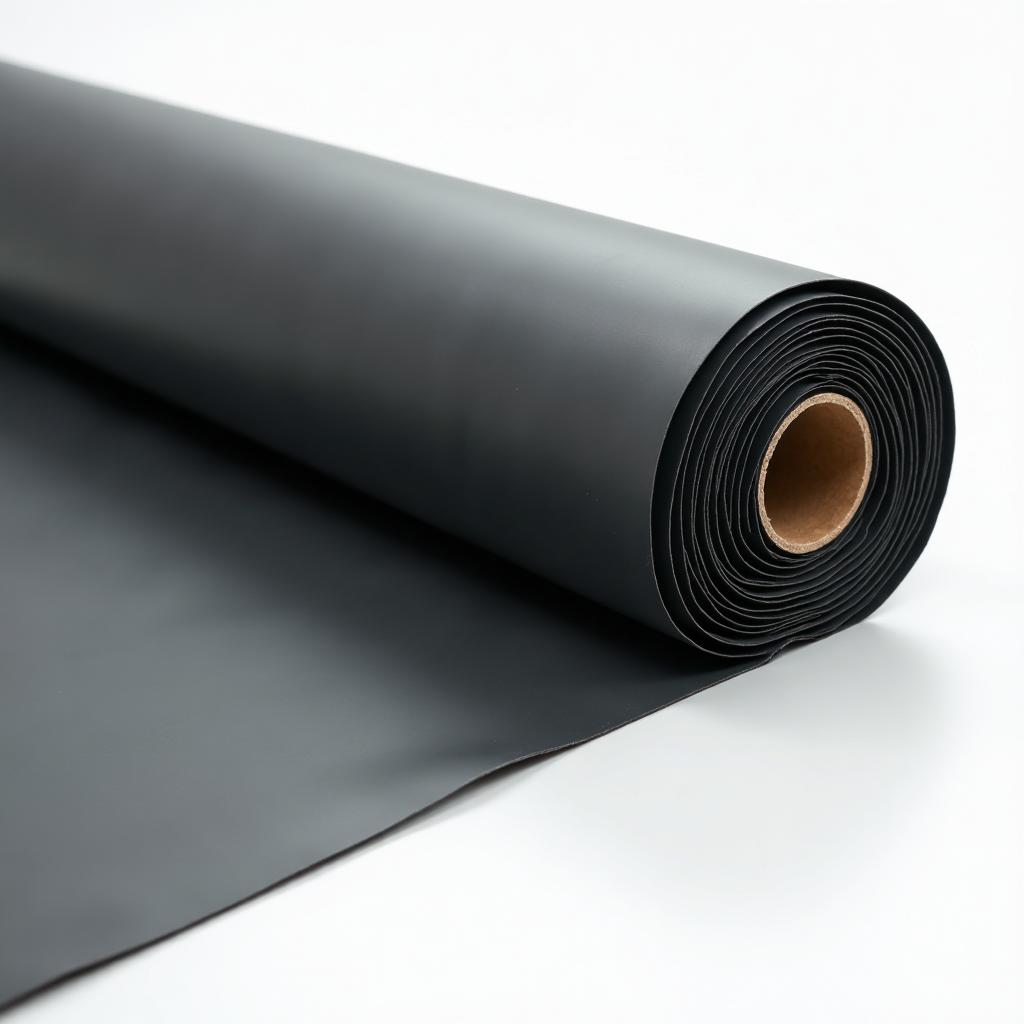
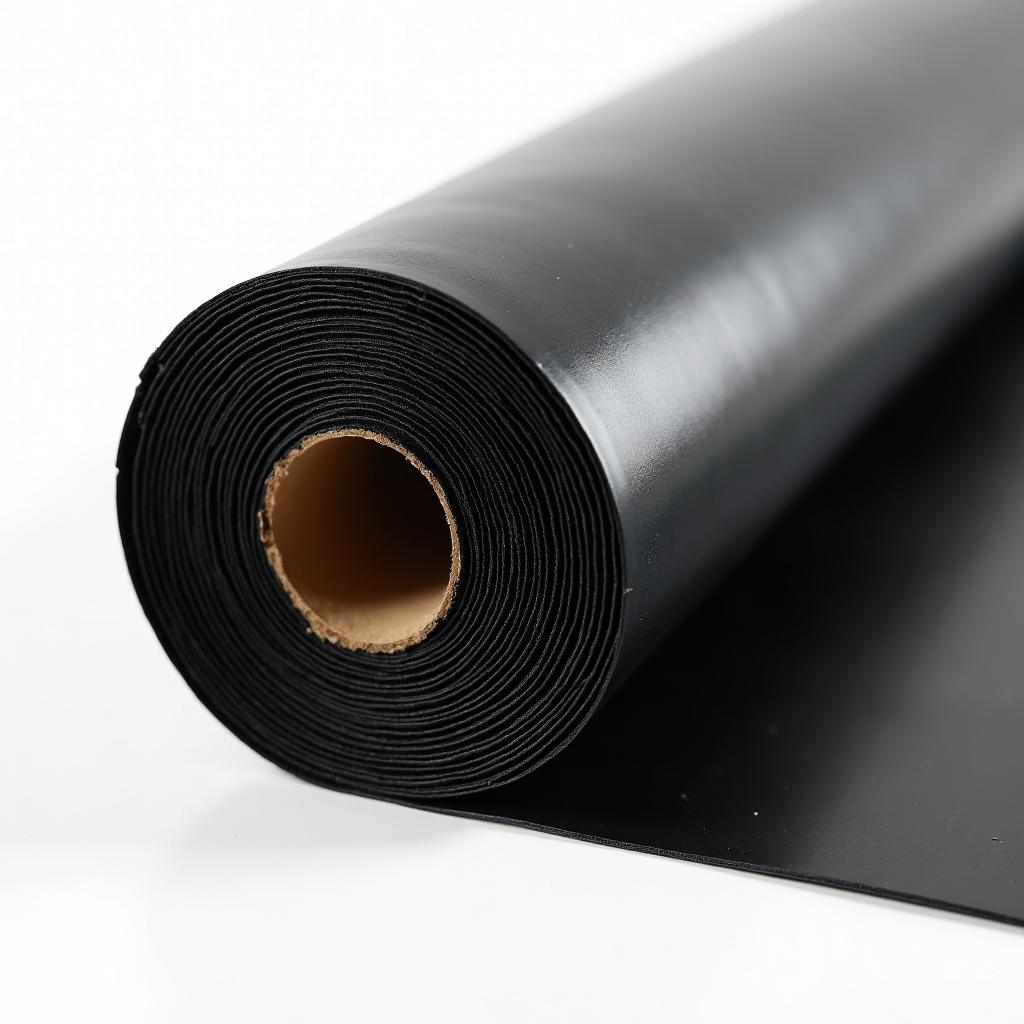
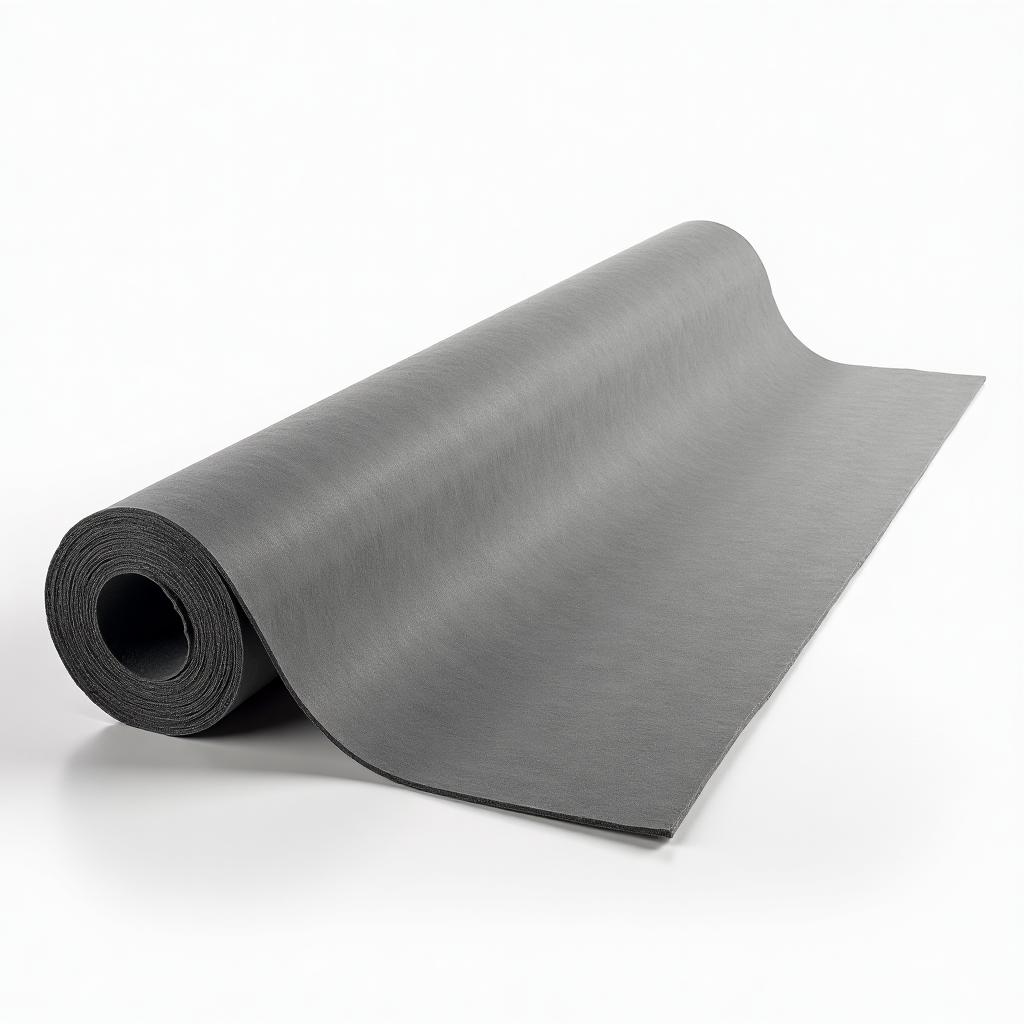
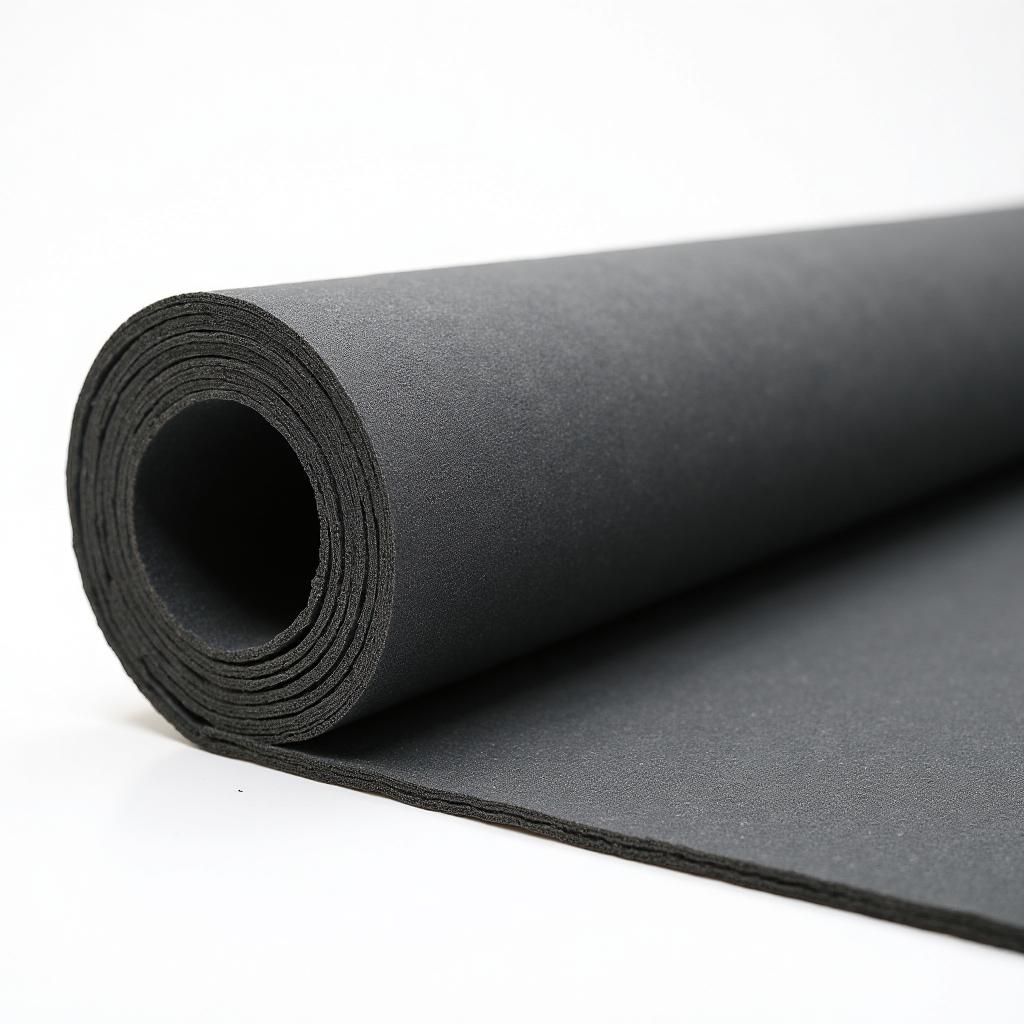
Sound transmission loss increases with mass. MLV adds significant weight (1-2 lbs per square foot) without adding thickness. This is critical in home construction where every inch of space matters.
Limp Mass Behavior
Unlike rigid materials like drywall, MLV doesn't resonate at specific frequencies. Its flexible, non-resonant nature means it doesn't amplify particular frequencies the way drywall panels can.
Low Frequency Performance
Home theaters demand bass containment. MLV's density makes it particularly effective at blocking low-frequency sound that easily passes through lighter materials.
| Material | 100 Hz TL | 500 Hz TL | 1000 Hz TL |
|---|---|---|---|
| 1/2" Drywall Alone | 18 dB | 28 dB | 32 dB |
| 1/2" Drywall + 1 lb MLV | 26 dB | 36 dB | 42 dB |
| Double Drywall + 1 lb MLV | 32 dB | 44 dB | 50 dB |
3Understanding Your Noise Output
Before designing your soundproofing strategy, understand what you're trying to contain.
Reference Level Explained
THX reference level means 85 dB at the listening position, with peaks up to 105 dB. Most home users listen 5-15 dB below reference, but serious enthusiasts want the full cinema experience.
Frequency Considerations
- Dialog (200 Hz - 4 kHz): Easily blocked by properly installed MLV assemblies
- Effects (50 Hz - 10 kHz): Explosions, crashes, and music require full-range isolation
- Subwoofer (20-80 Hz): The hardest to contain; requires mass plus decoupling
Your Target Isolation
If you're listening at 95 dB and want the adjacent room to hear less than 35 dB (quiet library), you need 60+ dB of isolation. This is achievable but requires proper assembly design.
4Wall Soundproofing for Home Theaters
Walls typically require the most attention, especially those shared with living spaces or neighbors.
Basic MLV Wall Treatment
For moderate improvement (STC 45-50):
- Add mineral wool insulation in stud cavities
- Install 1 lb MLV directly to studs
- Seal all seams with acoustic tape
- Caulk perimeter with acoustic sealant
- Install 5/8" drywall over MLV
High-Performance Wall Assembly
For serious isolation (STC 55-65):
- Mineral wool insulation in cavities
- 1 lb MLV on studs with sealed seams
- Sound isolation clips on studs
- Hat channel attached to clips
- First layer 5/8" drywall
- Green Glue compound
- Second layer 5/8" drywall
- Acoustic caulk at all perimeters
Critical Details
- Electrical boxes: Use putty pads and never place back-to-back
- Perimeter sealing: A single 1% gap can reduce assembly performance by 10+ dB
- Outlet relocation: Move outlets to non-critical walls when possible
5Ceiling Treatment Strategies
Sound traveling upward into bedrooms or living spaces above is a common home theater problem.
Ceiling Assembly Options
Standard approach:
- Fill joist cavities with mineral wool
- Install 1 lb MLV to joist faces
- Seal all seams and perimeter
- Install 5/8" drywall
Enhanced Ceiling (Recommended)
For rooms directly below bedrooms:
- Mineral wool between joists
- 1 lb MLV on joist faces
- Sound isolation clips attached to joists
- Hat channel on clips
- Double 5/8" drywall with damping compound
Drop Ceiling Alternative
If ceiling height allows, a secondary ceiling with an air gap provides excellent isolation:
- Leave existing ceiling in place
- Build new ceiling frame below with isolation hangers
- MLV + double drywall on new frame
- The air gap between ceilings adds significant low-frequency isolation
6Floor and Subwoofer Isolation
Bass from subwoofers travels through floors as both airborne and structure-borne vibration.
Floor Treatment
For theaters over living spaces or basements:
- Remove existing flooring if possible
- Install MLV directly on subfloor
- Add rubber underlayment (1/4" minimum)
- Install plywood floating floor
- Add carpet with dense pad
Subwoofer Isolation
Even perfect floors fail if the subwoofer couples directly to the structure:
- Isolation platforms: Commercial products like SubDude or Auralex decouple the sub
- DIY solution: Concrete paver on 2" of dense foam or rubber
- Floating the sub: Spring-based platforms for extreme isolation
Multiple Subwoofer Strategy
Using 2-4 smaller subwoofers instead of one large one allows lower output per unit while smoothing room response. Each sub should be isolated.
7Doors and Entry Points
The highest-performing walls mean nothing if sound escapes through a hollow-core door.
Door Requirements
For serious theaters:
- Solid core minimum: 1-3/4" solid wood or MDF core (STC 30-35)
- Acoustic doors: Purpose-built sound doors (STC 45-55) for critical applications
- Double doors: A vestibule with two doors provides excellent isolation
Sealing the Door
The door itself is only part of the solution:
- Door bottom seal: Automatic drop seal or threshold with neoprene
- Perimeter seals: Neoprene or silicone weatherstripping on all four sides
- Latching pressure: Door must compress seals when closed
Other Penetrations
- HVAC: Use lined ductwork; consider a silencer box for return air
- Electrical: Seal all boxes with putty pads
- Speaker/video cables: Run through sealed conduit or acoustical bushings
8STC Targets for Home Theaters
Setting realistic performance targets helps guide material selection and budget.
| Listening Level | Adjacent Room Use | Target STC | Result |
|---|---|---|---|
| Moderate (80 dB) | Hallway/storage | STC 45 | Faint sound audible |
| Moderate (80 dB) | Bedroom | STC 55 | Minimal disturbance |
| Reference (95 dB) | Bedroom | STC 60+ | Acceptable for most |
| Reference (95 dB) | Neighbor's unit | STC 65+ | Professional isolation |
Budget Considerations
Each 5 STC points roughly doubles material and labor cost. Target the practical level for your situation rather than over-engineering.
9Complete Theater Build Assembly
For a comprehensive home theater build, here's a complete room-in-room assembly specification.
Walls (STC 60+)
- Existing wall or new stud frame
- 3.5" mineral wool in cavities
- 1 lb MLV on studs, all seams sealed
- Sound isolation clips (8" spacing)
- Hat channel on clips
- 5/8" Type X drywall
- Green Glue compound
- 5/8" Type X drywall
- Acoustic caulk at floor, ceiling, corners
Ceiling (STC 55+)
- Mineral wool between joists
- 1 lb MLV on joist faces
- Isolation clips or spring hangers
- Hat channel
- Double 5/8" drywall with damping compound
Floor
- MLV on subfloor
- 1/4" rubber underlayment
- 3/4" plywood floating floor
- Dense carpet pad + carpet
- Isolated subwoofer platforms
Door
- Solid core or acoustic door (STC 45+)
- Automatic door bottom
- Full perimeter weatherstripping
- Consider double-door vestibule for reference levels
11Conclusion
A properly soundproofed home theater lets you experience movies and music the way they were meant to be heard—at full volume with explosive dynamics—without disturbing anyone else. Mass Loaded Vinyl is the foundation of effective theater isolation, adding the mass needed to contain sound while remaining practical for residential construction.
Start with your weakest points (usually doors and shared walls), invest in proper sealing, and consider subwoofer isolation as seriously as wall treatment. The result is the freedom to watch that late-night action movie without headphones, host movie nights without complaints, and finally enjoy the system you've invested in.
FAQs: Home Theater Soundproofing MLV
Related Guides in Residential Soundproofing
Continue exploring with these hand-picked articles
Home Studio Soundproofing with Mass Loaded Vinyl (MLV)
Complete guide to soundproofing your home studio with Mass Loaded Vinyl. Achieve professional-grade STC 55-60 isolation for recording, mixing, and producing without disturbing neighbors or household members.
Apartment Soundproofing with Mass Loaded Vinyl (MLV)
Transform your apartment, studio, or loft into a peaceful retreat. Complete guide to using Mass Loaded Vinyl for blocking neighbor noise through walls, ceilings, and floors—solutions for renters and owners.
Basement Soundproofing with Mass Loaded Vinyl (MLV)
Transform your basement into a soundproof space for band practice, gaming, or workshop activities. Complete guide to using Mass Loaded Vinyl for containing loud noise and preventing sound from traveling upstairs.
Our Complete Product Line
Professional-grade soundproofing materials for any application
Need Expert Soundproofing Advice?
Our team of soundproofing specialists is here to help you choose the right products and installation methods for your museum or gallery project.