Apartment Soundproofing with Mass Loaded Vinyl (MLV)
1The Apartment Noise Problem
Understanding why apartments are so noisy helps you target the right solutions.
Why Standard Construction Fails
Most apartments, studios, and lofts share common construction shortcuts:
- Single-layer 1/2" drywall: The industry minimum—provides only STC 33-35 between units
- Hollow-core interior doors: STC 15-20, essentially acoustic swiss cheese
- Shared stud cavities: Sound travels through electrical outlets, HVAC ducts, and plumbing penetrations
- Continuous floor/ceiling assemblies: No decoupling means every footstep transmits directly
- Builder-grade windows: Single-pane or basic double-pane with minimal acoustic performance
Types of Noise You're Fighting
| Noise Type | Examples | MLV Effectiveness |
|---|---|---|
| Airborne (voice frequency) | Conversations, TV dialog, music vocals | ★★★★★ Excellent |
| Airborne (low frequency) | Bass, subwoofers, deep voices | ★★★★☆ Very Good |
| Impact | Footsteps, dropped objects, furniture | ★★☆☆☆ Limited (requires decoupling) |
| Structure-borne | Plumbing, HVAC, elevator vibration | ★★☆☆☆ Limited |
MLV excels at blocking airborne noise—the voices, music, and TV sounds that make up 70-80% of apartment noise complaints.
2Why MLV Works in Apartments
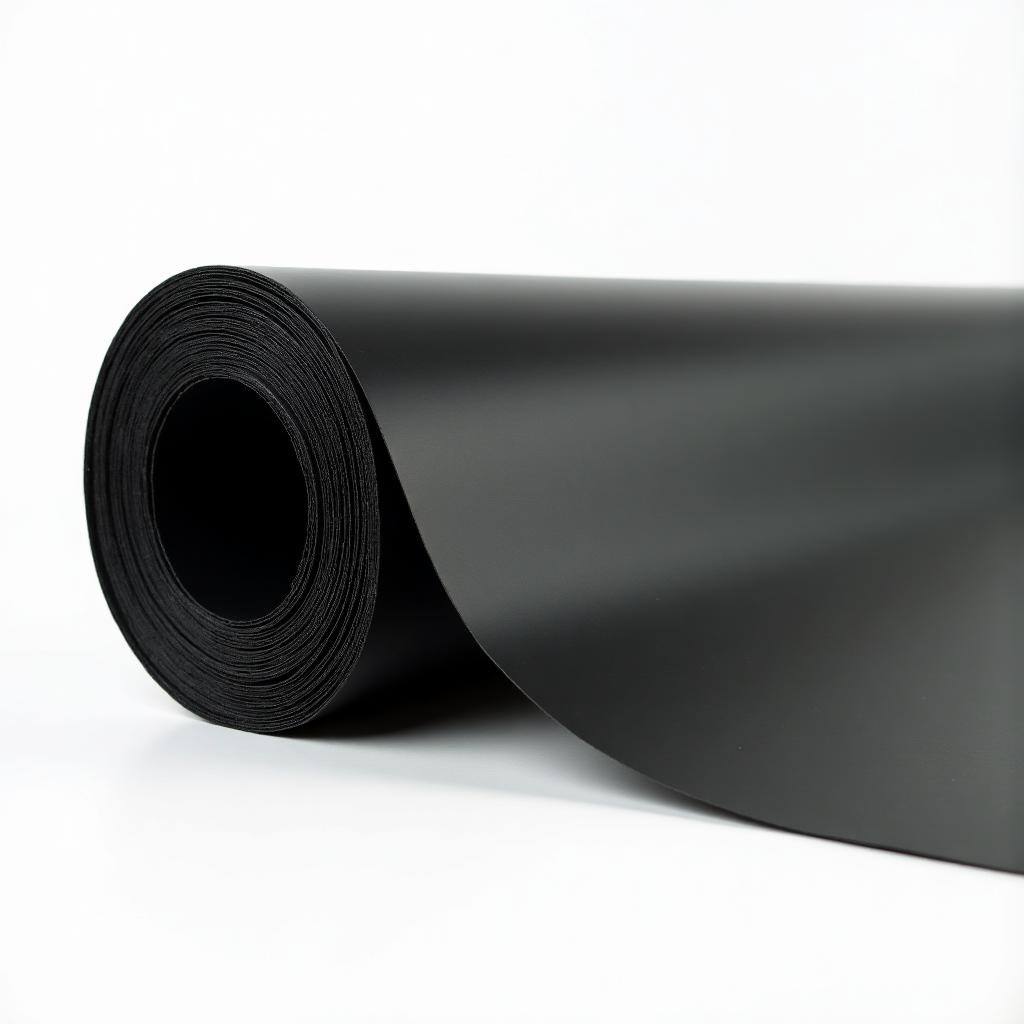
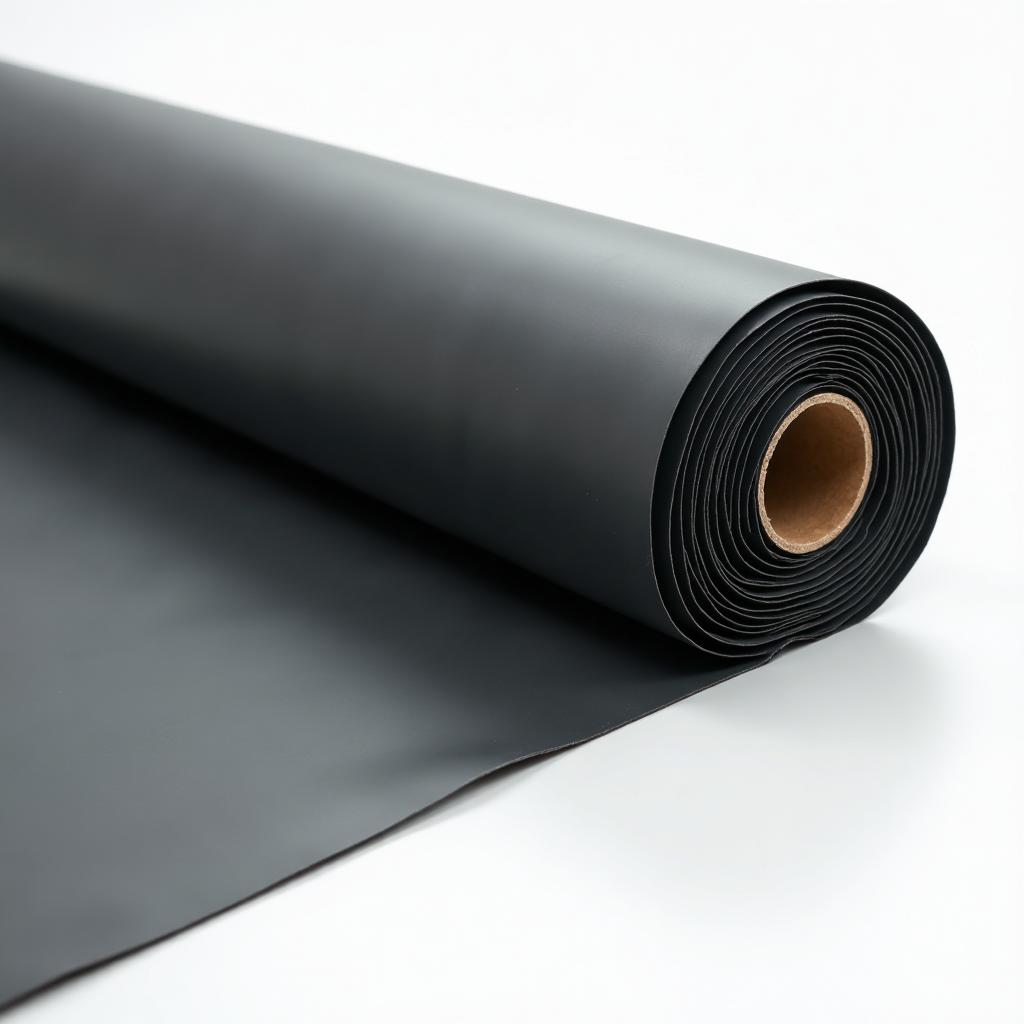
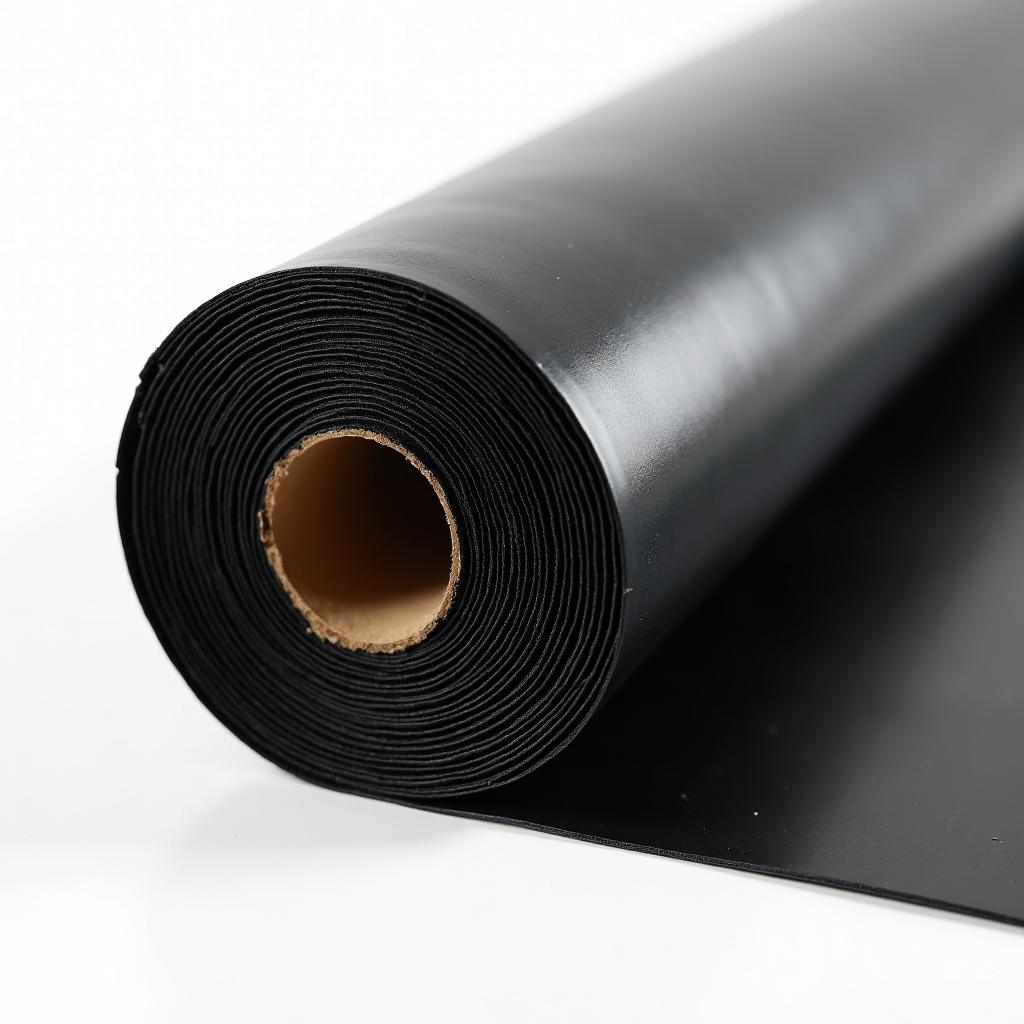
Mass Loaded Vinyl stops sound through a simple physics principle: mass blocks transmission.
The Mass Law in Action
Sound waves hitting a barrier cause it to vibrate. Heavier materials vibrate less, transmitting less sound energy to the other side. MLV packs exceptional mass into a thin, flexible sheet:
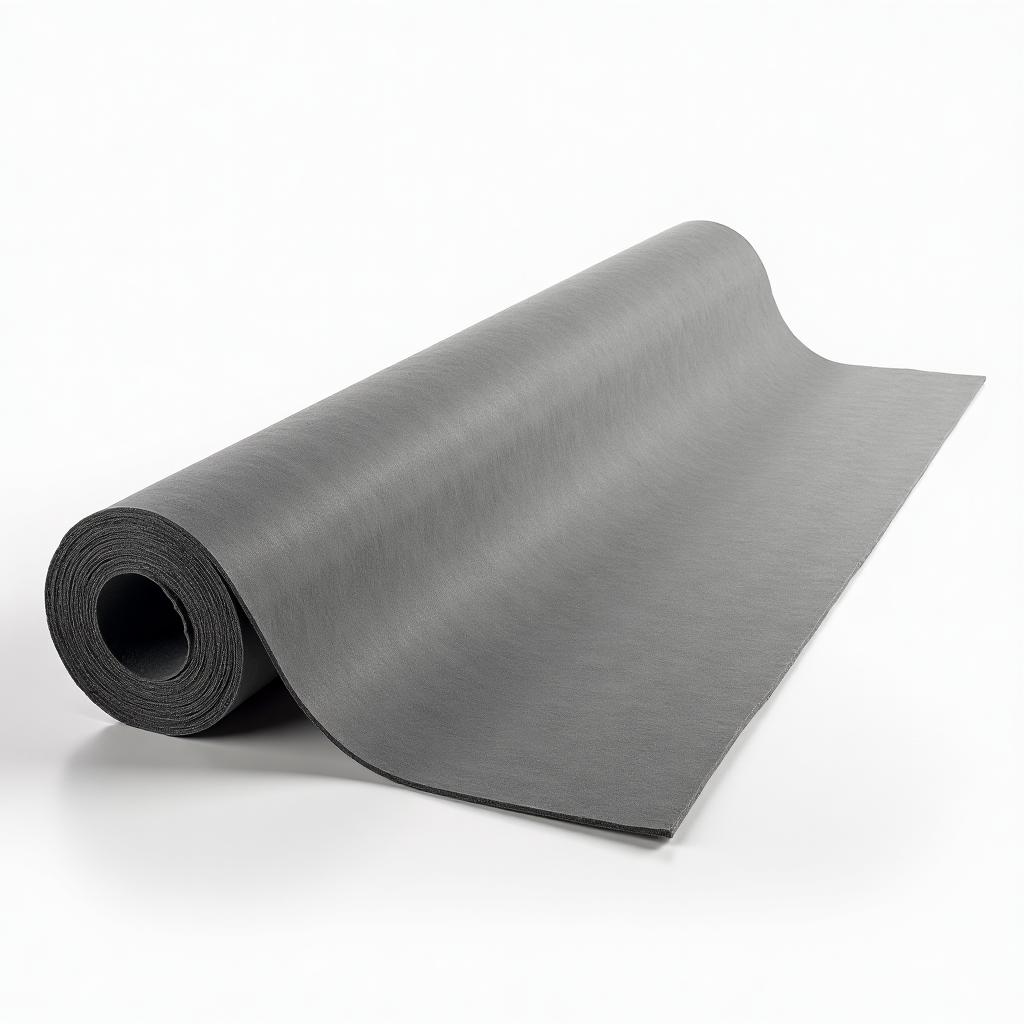
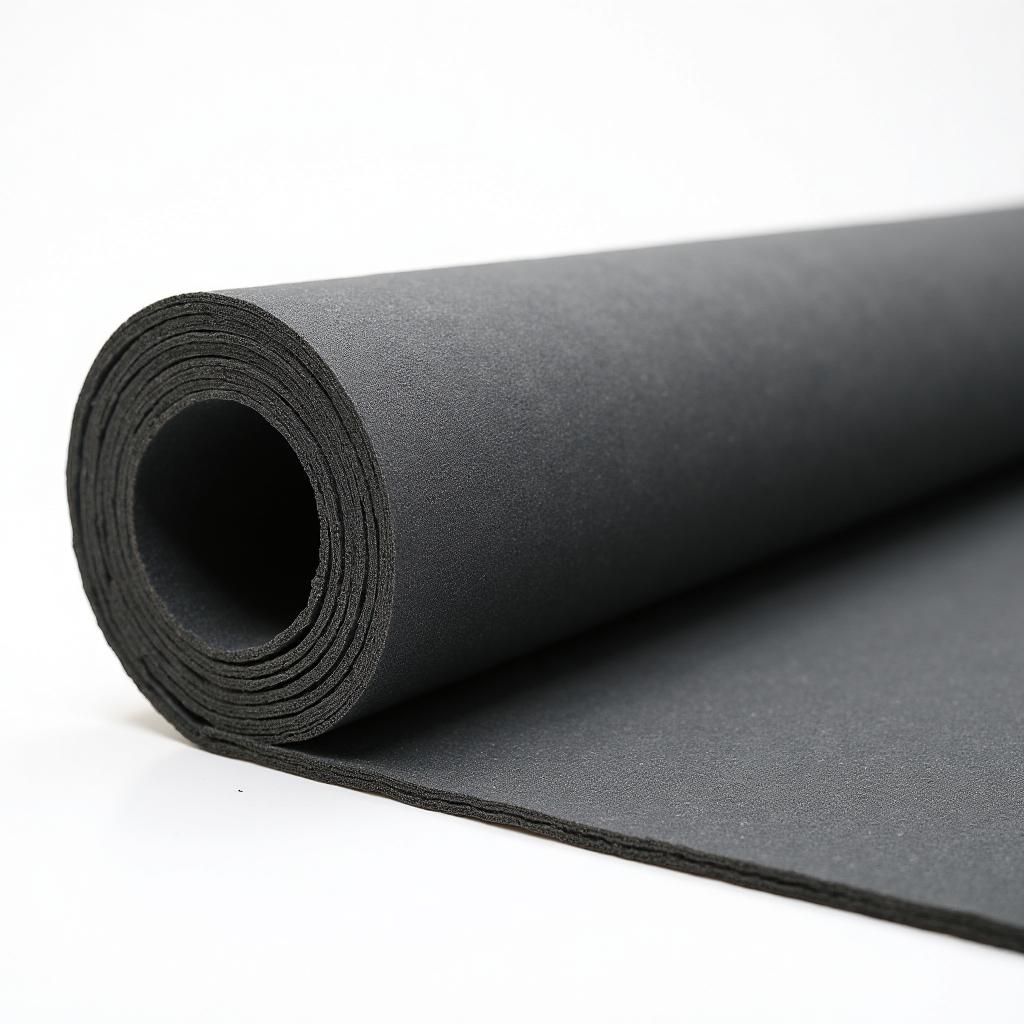
- 1 lb/sq ft MLV: Only 1/8" thick but weighs as much as 5/8" drywall
- Limp mass advantage: Unlike rigid materials, MLV doesn't resonate or ring—it absorbs vibration energy
- STC contribution: A single layer adds 6-9 STC points to any wall assembly
Perfect for Retrofit
MLV's flexibility makes it ideal for apartment applications:
- No framing required: Attaches directly to existing walls or creates freestanding panels
- Cuts with scissors or utility knife: Easy to work around outlets, switches, and obstacles
- Thin profile: Adds minimal depth to walls (1/8" to 1/4")
- Removable options: Renters can take it with them when moving
3Assessing Your Noise Sources
Before buying materials, identify exactly where noise enters your unit.
The Listening Test
Walk through your apartment during a noisy period and note:
- Which wall(s) transmit the most neighbor noise?
- Is the ceiling a major issue (upstairs neighbors)?
- Do doors and windows leak significant sound?
- Are there specific penetrations (outlets, vents, gaps) where sound is loudest?
The 80/20 Rule
In most apartments, 80% of the noise comes through 20% of the surfaces. Treating one shared wall often provides more improvement than treating the entire unit poorly. Prioritize:
- Party walls: The wall(s) shared with noisy neighbors
- Entry doors: Usually the weakest link (hollow-core, large gaps)
- Ceilings: If upstairs neighbors are the issue
- Windows: For exterior noise (traffic, HVAC, outdoor activity)
4MLV Solutions for Renters
Renters face a unique challenge: maximum noise reduction with zero (or minimal) damage to the unit. These solutions protect your deposit while delivering real results.
Freestanding MLV Panels
The gold standard for renter soundproofing:
- Construction: 1"×2" or 2"×2" wooden frame wrapped with 1 lb MLV, finished with fabric
- Size: Build panels sized to cover the noisy wall section (typically 4'×8' or custom)
- Placement: Lean against the wall with furniture holding them in place
- Performance: Adds 6-8 STC points to the wall assembly
- Cost: ~$150-250 per 4'×8' panel (materials)
MLV Door Blankets
Transform hollow-core doors instantly:
- Design: Heavy MLV panel with grommets, hangs from over-door hooks
- Weight: 15-25 lbs for a standard door
- Installation: Hang when home, remove when leaving (or leave permanently)
- Performance: Adds 8-12 STC points to a hollow-core door
Window Plugs
For exterior noise or noisy neighbors on adjacent balconies:
- Construction: Rigid foam board + MLV layer + fabric facing
- Fit: Friction-fit inside the window frame
- Use case: Install at night or during work-from-home hours
- Removal: Pop out in seconds when you want light/view
5MLV Solutions for Owners
Condo owners, co-op shareholders, and landlords can invest in permanent upgrades that maximize MLV performance.
Direct Wall Application
The most cost-effective permanent solution:
- Prep: Remove baseboards, outlet covers, and identify studs
- Install MLV: Staple or screw 1 lb MLV directly to studs (seams sealed with acoustical tape)
- Add drywall: Install 5/8" drywall over MLV using acoustical sealant at perimeter
- Finish: Tape, mud, paint, reinstall trim
Result: STC improvement of 8-12 points over existing wall
Premium Decoupled Assembly
For serious noise problems or maximum performance:
- Cavity treatment: Add mineral wool insulation to stud bays
- MLV layer: Apply 1 lb MLV to studs
- Decoupling: Install resilient channels or isolation clips
- Drywall: Double-layer 5/8" drywall with Green Glue between layers
- Sealing: Acoustical caulk at all perimeters and penetrations
Result: STC 55-60 achievable—normal conversation becomes inaudible
Performance Comparison
| Assembly | Typical STC | Cost/sq ft | Difficulty |
|---|---|---|---|
| Existing apartment wall | 33-35 | — | — |
| + Freestanding MLV panel | 40-42 | $3-5 | Easy (DIY) |
| + Direct MLV + drywall | 45-48 | $5-8 | Moderate |
| + Full decoupled system | 55-60 | $12-18 | Professional |
6Soundproofing Walls in Your Unit
Step-by-step guidance for the most common apartment soundproofing project.
Targeting the Right Wall
Focus your efforts on walls that actually transmit noise:
- Party walls: Shared with adjacent units—top priority
- Corridor walls: Shared with hallways—often underrated noise sources
- Interior walls: Within your unit—rarely need treatment unless creating a quiet room
Sealing Before Adding Mass
Before installing MLV, seal obvious sound leaks:
- Electrical outlets: Install acoustic putty pads behind cover plates
- Baseboards: Apply acoustical caulk where drywall meets floor
- Ceiling joints: Seal the wall-to-ceiling connection
- Penetrations: Seal around pipes, cables, and HVAC registers
These simple steps can improve wall performance by 2-4 STC points before any MLV installation.
Installation Best Practices
Whether permanent or temporary, follow these principles:
- Full coverage: MLV only works where it's installed—partial coverage means partial results
- Sealed seams: Overlap MLV sheets 1-2" and tape with acoustical tape
- No gaps: Any gap is a sound leak—seal around outlets, edges, and obstacles
- Proper support: MLV is heavy (1 lb/sq ft)—ensure adequate fastening or framing
7Ceiling Noise Solutions
Upstairs neighbor noise requires a different approach than wall noise.
Understanding Ceiling Noise
Ceiling noise is typically a combination:
- Airborne: TV, music, voices—MLV helps significantly
- Impact: Footsteps, dropped objects—MLV helps minimally without decoupling
Renter Solutions
Options are limited but can help:
- Acoustic clouds: Suspended fabric panels that absorb reflected noise
- White noise: Masks low-level noise intrusion
- Communication: Sometimes the best solution is talking to upstairs neighbors about area rugs
Owner Solutions
Permanent ceiling treatment delivers major improvements:
- Drop ceiling option: Install MLV above acoustic tiles in a suspended ceiling grid
- Direct application: MLV attached to joists + resilient channels + new drywall
- Maximum performance: Combination of MLV, decoupling, and double drywall layers
Note: Ceiling work typically requires professional installation due to weight and complexity.
8Floor Soundproofing
If you're the noisy neighbor (or want to prevent complaints), floor treatment helps everyone.
MLV Under Flooring
For owners installing new flooring:
- Layering: MLV acts as an underlayment beneath hardwood, laminate, or LVP
- Combination: Best results come from MLV + rubber underlayment together
- Impact reduction: Significantly reduces footstep transmission to unit below
Area Rug Strategy
For renters or those keeping existing flooring:
- Heavy padding: Dense rubber or felt rug pads (not foam)
- Large rugs: Cover high-traffic areas, especially over downstairs bedrooms
- MLV under rugs: Hidden layer provides mass barrier without visible changes
9Doors, Windows, and Weak Points
The best wall treatment fails if sound leaks through doors and windows.
Door Upgrades
Entry doors are typically the weakest acoustic link:
- Door sweep: Install an automatic door bottom or threshold seal
- Weatherstripping: Add or replace seals around the door frame
- MLV door blanket: For hollow-core doors, a hanging MLV panel adds significant mass
- Door replacement: Solid-core doors (STC 30-35) dramatically outperform hollow-core (STC 15-20)
Window Treatments
For exterior noise intrusion:
- Window plugs: Friction-fit MLV panels for nighttime use
- Acoustic curtains: Heavy mass-loaded curtains provide modest improvement
- Secondary glazing: Adding an interior window panel creates an air gap that blocks significant noise
Other Weak Points
- HVAC registers: Line the inside of ducts near registers with MLV
- Mail slots: Seal or replace with a mail box
- Pet doors: Major sound leaks—seal when not in use
10Real-World Performance Expectations
Honest expectations prevent disappointment and help you choose the right investment level.
What MLV Can Do
- Reduce voice transmission by 50-75%: Neighbor conversations become background murmur
- Eliminate TV dialog bleed: You won't understand what they're watching
- Reduce music intrusion significantly: Vocals and mid-frequencies blocked; some bass may remain
- Create speech privacy: Your conversations stay private too
What MLV Cannot Do
- Stop impact noise alone: Footsteps require decoupling, not just mass
- Achieve total silence: Some sound will always transmit, especially very loud sources
- Fix structural vibration: Building-wide issues (elevators, HVAC) need different solutions
- Work through gaps: Any unsealed penetration undermines the entire assembly
Realistic Improvement Scale
| Starting Point | After MLV Treatment | Perceived Change |
|---|---|---|
| Clearly audible conversation | Muffled voices, words unclear | Major improvement |
| TV dialog understandable | Know TV is on, can't follow it | Significant improvement |
| Music loud and clear | Bass present, vocals blocked | Noticeable improvement |
| Footsteps jarring | Still audible (need decoupling) | Minimal improvement |
13Conclusion
Apartment soundproofing with Mass Loaded Vinyl is one of the most effective upgrades you can make to improve your quality of life. Whether you're a renter using freestanding panels and door blankets, or an owner investing in permanent wall assemblies, MLV delivers measurable, noticeable noise reduction that other materials simply can't match.
Start by identifying your worst noise sources, focus your budget on those areas first, and always seal gaps before adding mass. The investment in proper MLV treatment pays dividends every day in better sleep, reduced stress, and finally being able to enjoy your home without hearing every detail of your neighbors' lives.
FAQs: Apartment Soundproofing MLV
Related Guides in Residential Soundproofing
Continue exploring with these hand-picked articles
Home Studio Soundproofing with Mass Loaded Vinyl (MLV)
Complete guide to soundproofing your home studio with Mass Loaded Vinyl. Achieve professional-grade STC 55-60 isolation for recording, mixing, and producing without disturbing neighbors or household members.
Home Theater Soundproofing with Mass Loaded Vinyl (MLV)
Keep your movie nights from disturbing the rest of the house or neighbors. Complete guide to using Mass Loaded Vinyl for containing loud movies, music, and gaming sound in your dedicated home theater room.
Basement Soundproofing with Mass Loaded Vinyl (MLV)
Transform your basement into a soundproof space for band practice, gaming, or workshop activities. Complete guide to using Mass Loaded Vinyl for containing loud noise and preventing sound from traveling upstairs.
Our Complete Product Line
Professional-grade soundproofing materials for any application
Need Expert Soundproofing Advice?
Our team of soundproofing specialists is here to help you choose the right products and installation methods for your museum or gallery project.