Home Gym Soundproofing with Mass Loaded Vinyl (MLV)
1The Home Gym Noise Challenge
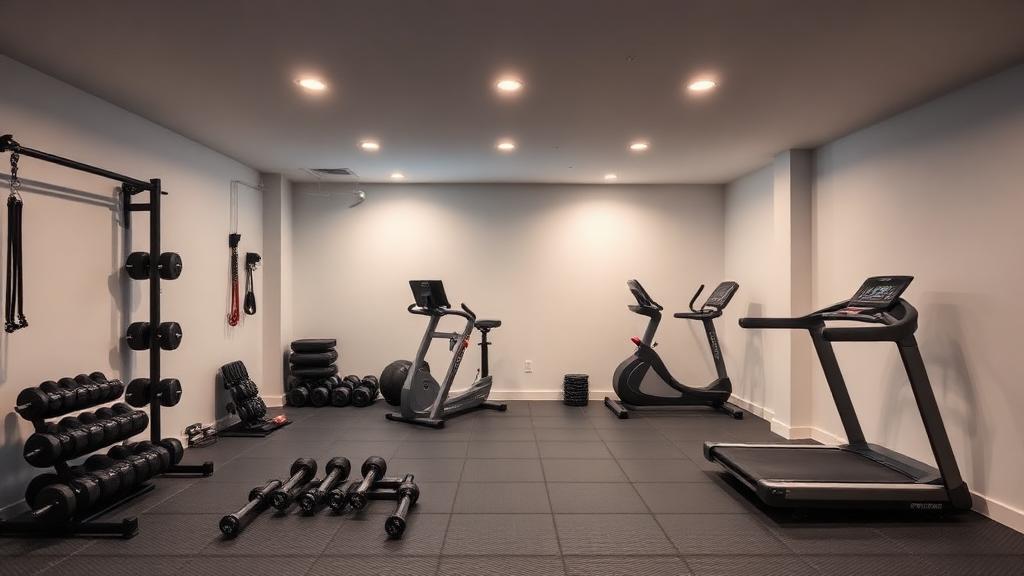
Home gyms create unique acoustic challenges that differ from other residential soundproofing projects.
Why Home Gyms Are So Loud
Gym equipment generates extreme noise levels:
- Dropped barbells: 100-120 dB impact—comparable to a chainsaw or rock concert
- Treadmill operation: 70-85 dB continuous, with low-frequency vibration that travels through structure
- Rowing machines: 60-75 dB with rhythmic motion that creates vibration patterns
- Jumping exercises: Box jumps, jump rope, and burpees create 90+ dB impacts
- Workout music: Most people blast music at 80-95 dB to stay motivated
The Dual Challenge: Airborne + Impact
Unlike most soundproofing scenarios, home gyms generate both noise types simultaneously:
| Noise Type | Examples | Solution Approach |
|---|---|---|
| Airborne | Music, grunting, TV, trainer videos | MLV walls and ceilings |
| Impact | Weight drops, jumping, running | Floating floors, rubber mats |
| Structure-borne | Treadmill vibration, cable machines | Equipment isolation pads |
Effective home gym soundproofing requires addressing all three—which is why combined approaches work best.
2Understanding Gym Noise Types
Matching solutions to noise sources maximizes your investment.
Weight Training Noise
Free weights and machines create distinctive noise patterns:
- Controlled lifting: Minimal noise from proper form—mainly airborne (breathing, weights touching)
- Dropped weights: Extreme impact that travels through floors, walls, and foundation
- Rack re-racking: Metal-on-metal contact sends vibration through power rack into floor
- Cable machines: Weight stack clang and cable vibration through machine frame
Cardio Equipment Noise
Cardio machines generate continuous low-frequency vibration:
- Treadmills: Motor noise + foot strike impact + belt vibration
- Ellipticals: Rhythmic motion creates pendulum-like vibration transfer
- Spin bikes: Flywheel vibration and chain/belt noise
- Rowers: Sliding seat and pull motion create rhythmic structure-borne noise
High-Impact Training
CrossFit, HIIT, and plyometric training are the most challenging:
- Box jumps: Landing impact rivals dropped weights
- Burpees: Repeated floor impact over extended periods
- Jump rope: Rapid, repetitive impact noise
- Olympic lifts: Dropped barbells from overhead—the loudest gym sound
3Why MLV Works for Home Gyms
Mass Loaded Vinyl addresses the airborne component of gym noise while complementing impact-control measures.
The Mass Principle
MLV stops airborne sound through mass loading:
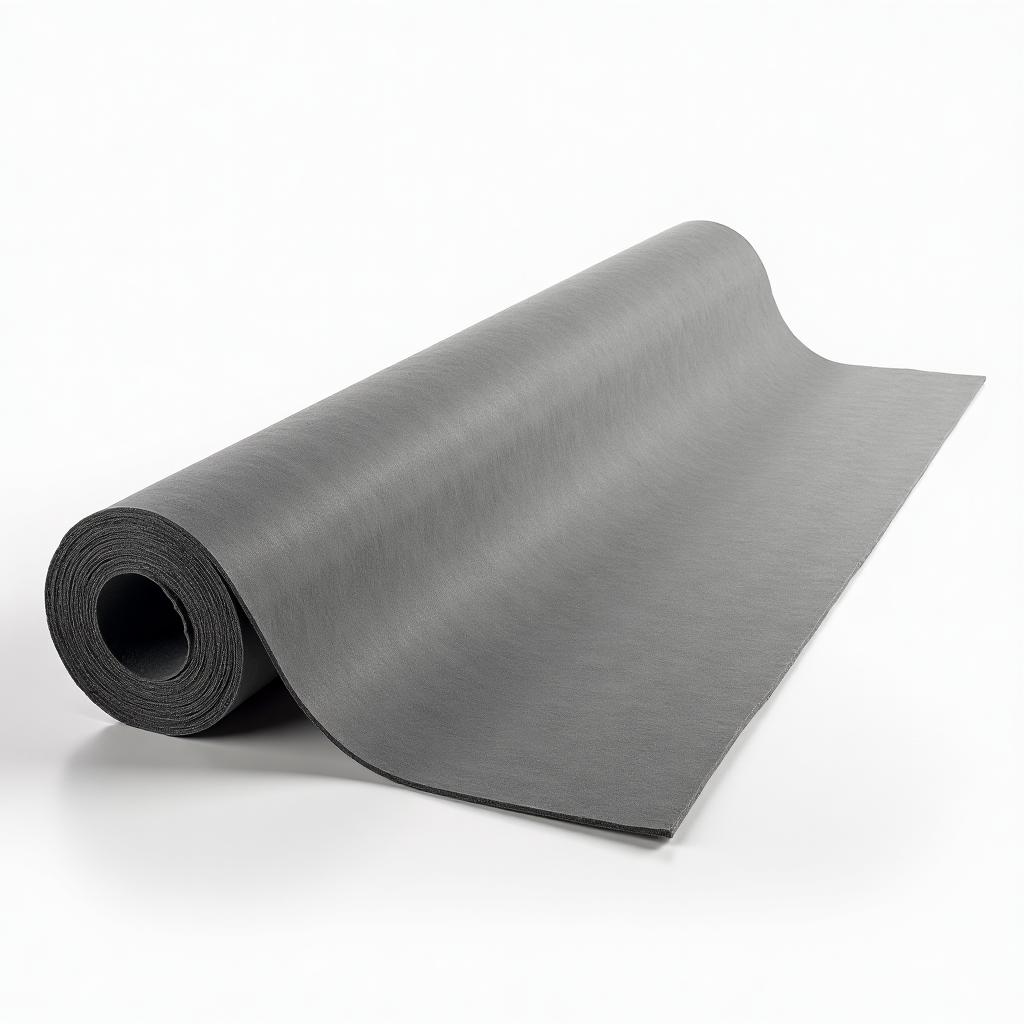
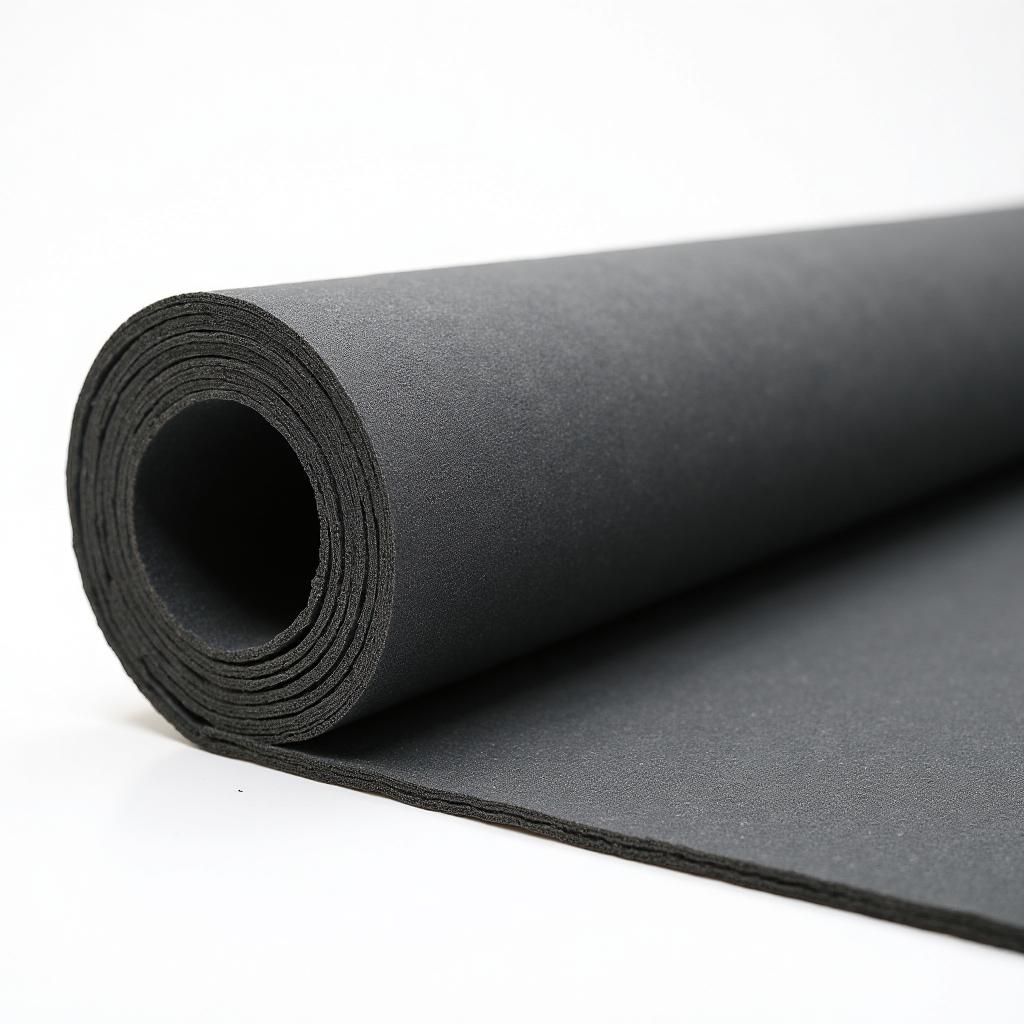
- 1 lb/sq ft MLV: Only 1/8" thick but adds significant mass to any assembly
- Limp mass advantage: Unlike rigid materials, MLV absorbs vibration energy rather than transmitting it
- Consistent performance: Delivers predictable STC improvement regardless of installer skill
Gym-Specific Benefits
- Moisture-resistant: Handles gym humidity and sweat better than drywall alone
- No maintenance: Unlike fabric panels, MLV doesn't absorb odors or require cleaning
- Thin profile: Maximizes usable floor space in already-tight home gyms
- Fire-rated: Class A flame spread for safety compliance
STC Improvement Expectations
| Assembly | Without MLV | With 1 lb MLV | With 2 lb MLV |
|---|---|---|---|
| Single-stud wall | STC 33-35 | STC 42-48 | STC 48-52 |
| Insulated wall | STC 40-42 | STC 48-52 | STC 52-56 |
| Decoupled wall | STC 48-52 | STC 55-60 | STC 58-63 |
4Floor Solutions: The Foundation
Floor treatment is the most important element of home gym soundproofing—especially for weight training and jumping exercises.
Level 1: Basic Rubber Mat
The minimum for any home gym:
- 3/4" rubber tiles: Interlocking gym floor tiles protect subfloor and reduce impact
- Horse stall mats: 4x6 foot mats (3/4" thick) are economical and durable
- Coverage: At minimum, under all weight equipment and lifting areas
- Impact reduction: 30-40% reduction in transmitted impact noise
- Cost: $2-4 per square foot
Level 2: Rubber + MLV Underlayment
Adding mass under the rubber dramatically improves performance:
- MLV layer: Install 1 lb MLV directly on subfloor, seams taped
- Rubber mat: 3/4" rubber flooring over the MLV
- Result: 50-60% reduction in transmitted noise; airborne sound blocked
- Cost: $5-8 per square foot
Level 3: Floating Platform
For serious lifters or sensitive situations (apartments, bedrooms below):
- Resilient base: 10mm rubber underlayment or vibration isolators
- MLV layer: 1-2 lb MLV for mass loading
- Plywood deck: 3/4" plywood screwed together (not to subfloor)
- Top layer: 3/4" rubber gym flooring
Result: 70-85% reduction in impact transmission. Dropped weights are felt, not heard, in adjacent rooms.
Deadlift/Olympic Lifting Platform
For the heaviest drops, build a dedicated platform:
- Dimensions: 8' x 8' minimum for Olympic lifts
- Construction: 2-3 layers of plywood + thick rubber drop zones
- MLV integration: Full MLV layer between subfloor and first plywood layer
- Crash pads: Additional rubber or foam at bar drop zones
5Wall Soundproofing Strategies
Walls control airborne noise from music, videos, and vocalizations during workouts.
Option 1: MLV + Drywall Overlay
The most practical approach for finished spaces:
- Locate studs: Mark stud locations on existing walls
- Install MLV: Staple 1 lb MLV to studs, overlapping seams 1-2"
- Seal seams: Acoustical tape over all MLV joints
- Add drywall: 5/8" drywall over MLV
- Finish: Tape, mud, paint—use semi-gloss for gym durability
Performance: STC improvement of 8-12 points. Music at normal workout levels (80-85 dB) becomes background noise in adjacent rooms.
Option 2: Full Decoupled Wall
For new construction or when neighbors share the wall:
- Double-stud framing: Two separate 2x4 walls with 1" air gap
- Insulation: Mineral wool in both cavities
- MLV: 1 lb MLV on each stud row
- Drywall: 5/8" drywall both sides
- Seal: Acoustical caulk at all perimeters
Performance: STC 60+ achievable. Even loud music is barely audible next door.
Which Walls to Treat
Prioritize in this order:
- Shared walls: Walls between gym and bedrooms, offices, or neighbor units
- Walls above living spaces: If gym is above bedrooms
- Exterior walls: Only if outdoor noise is a concern (rare for gyms)
6Ceiling Treatment Options
Ceiling treatment matters most when bedrooms or living spaces are above the gym.
When Ceiling Treatment Matters
- Basement gym: Living spaces directly above—ceiling treatment essential
- Garage gym: Typically less critical unless bedrooms are above garage
- Spare room gym: Only if sensitive spaces are above
Option 1: MLV + Drywall
The simplest ceiling upgrade:
- Install MLV: Attach 1 lb MLV to ceiling joists
- Add drywall: 5/8" drywall over MLV
- Seal perimeter: Acoustical caulk where ceiling meets walls
Option 2: Decoupled Ceiling
For maximum performance:
- Insulation: Mineral wool between joists
- MLV layer: 1 lb MLV attached to joists
- Resilient channels: Installed perpendicular to joists
- Drywall: 5/8" drywall screwed to channels only
Performance: Significant reduction in both airborne and impact noise transmission to upper floors.
DIY Consideration
Ceiling work is physically demanding and potentially dangerous. MLV weighs 1 lb per square foot—a 12x12 ceiling requires handling 144 lbs of material overhead. Consider professional installation for ceiling applications.
7Equipment Isolation Techniques
Isolating specific equipment at the source is often more effective than treating entire rooms.
Power Rack Isolation
Power racks transmit impact directly to floors:
- Rubber feet: Replace metal feet with thick rubber pads
- Isolation pads: Heavy-duty rubber mats under each rack leg
- Crash pads: Position foam or rubber pads where barbells land during drops
- Floating platform: Build a dedicated platform under the entire rack
Dumbbell and Plate Storage
- Rubber-coated weights: Reduce metal-on-metal clang
- Rack padding: Line weight tree slots with rubber strips
- Floor placement: Never drop weights directly on concrete—always use rubber surface
Cable Machine Isolation
- Weight stack pads: Rubber separators between weight plates
- Base isolation: Rubber mat under machine base
- Maintenance: Lubricated cables and pulleys run quieter
8Cardio Equipment Noise Control
Cardio machines generate continuous vibration that requires different treatment than impact noise.
Treadmill Isolation
Treadmills are often the loudest equipment in home gyms:
- Treadmill mat: Dense rubber mat specifically designed for treadmill isolation
- Vibration pads: Rubber/cork pads under each corner
- Belt maintenance: Properly lubricated belts run quieter
- Floating platform: For apartments or sensitive situations, a dedicated platform under the treadmill
Performance Comparison
| Solution | Vibration Reduction | Cost |
|---|---|---|
| Basic rubber mat | 30-40% | $50-100 |
| Treadmill isolation mat | 50-60% | $80-150 |
| Floating platform | 70-85% | $300-600 |
Spin Bike and Rower Isolation
- Equipment mats: Dense rubber under each machine
- Leveling: Ensure equipment is perfectly level to reduce vibration
- Maintenance: Loose components amplify noise—tighten regularly
Time-Based Solutions
If full isolation isn't possible, consider usage timing:
- Quiet hours: Limit treadmill use to daytime when family isn't sleeping
- Alternative cardio: Jumping rope and box jumps can be contained with proper flooring
9Complete Home Gym Build-Out
Putting it all together: a complete soundproofed home gym from floor to ceiling.
Budget Build ($500-1,500)
Essential soundproofing for most situations:
- Floor: 3/4" rubber mats covering workout area ($300-600)
- Walls: MLV + drywall on one shared wall ($200-500)
- Equipment: Isolation pads under power rack and treadmill ($100-200)
- Door: Weatherstripping and door sweep ($50-100)
Result: 50-60% reduction in noise transmission. Suitable for most residential situations with reasonable workout hours.
Mid-Range Build ($2,000-4,000)
Comprehensive treatment for noise-sensitive situations:
- Floor: MLV underlayment + rubber flooring full room ($800-1,500)
- Walls: MLV + drywall on all shared walls ($600-1,200)
- Ceiling: MLV + drywall if spaces above ($400-800)
- Equipment: Floating platform for heavy lifting ($300-500)
- Door: Solid-core door with seals ($200-400)
Result: 70-80% reduction. Early morning and late night workouts possible without disturbing family or neighbors.
Premium Build ($5,000-10,000)
Professional-grade soundproofing for apartments, shared walls, or 24/7 access:
- Floor: Full floating floor system with MLV ($1,500-3,000)
- Walls: Double-stud decoupled walls with MLV ($1,500-3,000)
- Ceiling: Decoupled ceiling with resilient channels + MLV ($1,000-2,000)
- Platform: Dedicated Olympic lifting platform ($500-1,000)
- Door: Acoustic door assembly ($500-1,000)
Result: 85-95% reduction. Drop weights at midnight without complaints. Suitable for apartment buildings and professional trainer use.
12Conclusion
Home gym soundproofing is an investment in training freedom. Whether you're containing treadmill vibration in a condo or building a platform for Olympic lifts in your basement, the combination of proper flooring, MLV walls, and equipment isolation lets you train without restrictions.
Start with flooring—it's the foundation of any gym soundproofing project. Add MLV to shared walls if music or voices are concerns. For serious weight training, build or buy a dedicated lifting platform. And always maintain good relationships with neighbors by addressing noise proactively rather than waiting for complaints.
The goal isn't perfect silence—it's permission to train hard without watching the clock or holding back.
FAQs: Home Gym Soundproofing
Related Guides in Residential Soundproofing
Continue exploring with these hand-picked articles
Home Studio Soundproofing with Mass Loaded Vinyl (MLV)
Complete guide to soundproofing your home studio with Mass Loaded Vinyl. Achieve professional-grade STC 55-60 isolation for recording, mixing, and producing without disturbing neighbors or household members.
Apartment Soundproofing with Mass Loaded Vinyl (MLV)
Transform your apartment, studio, or loft into a peaceful retreat. Complete guide to using Mass Loaded Vinyl for blocking neighbor noise through walls, ceilings, and floors—solutions for renters and owners.
Home Theater Soundproofing with Mass Loaded Vinyl (MLV)
Keep your movie nights from disturbing the rest of the house or neighbors. Complete guide to using Mass Loaded Vinyl for containing loud movies, music, and gaming sound in your dedicated home theater room.
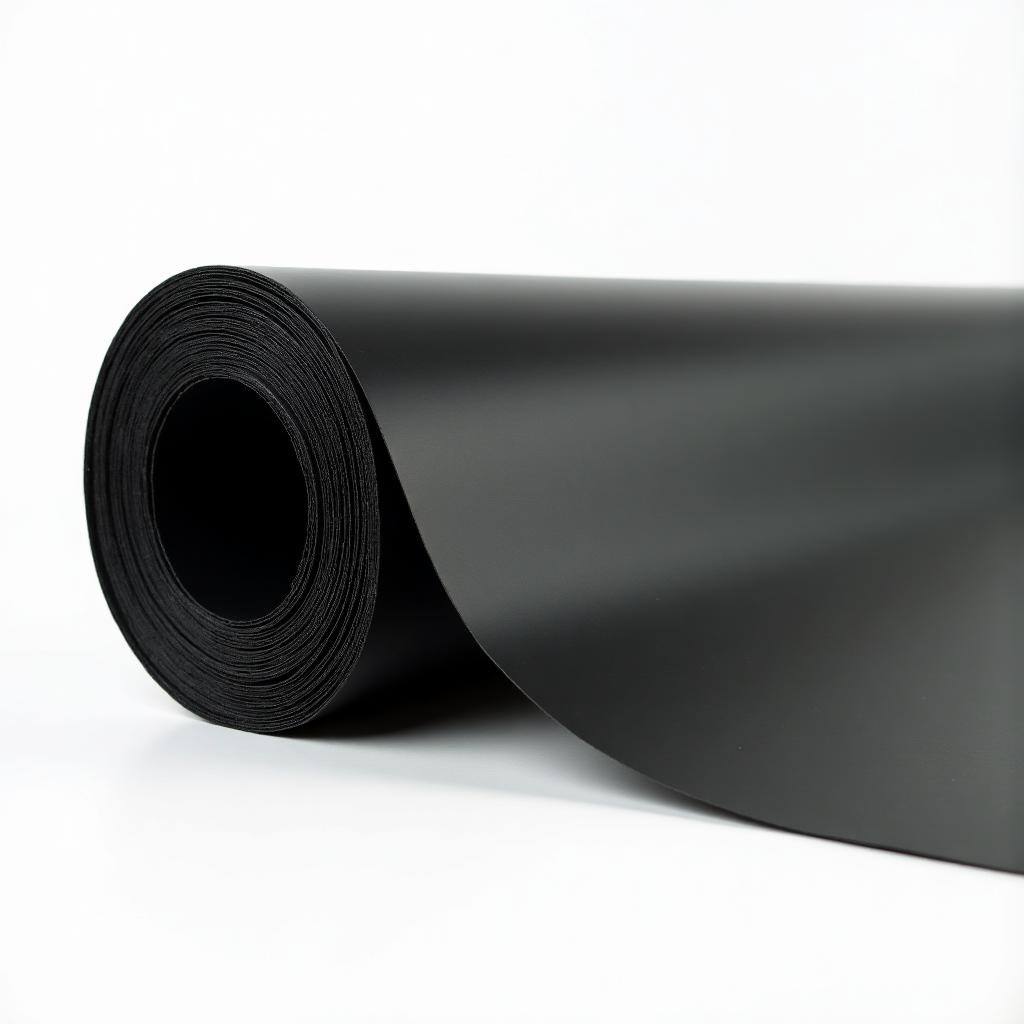
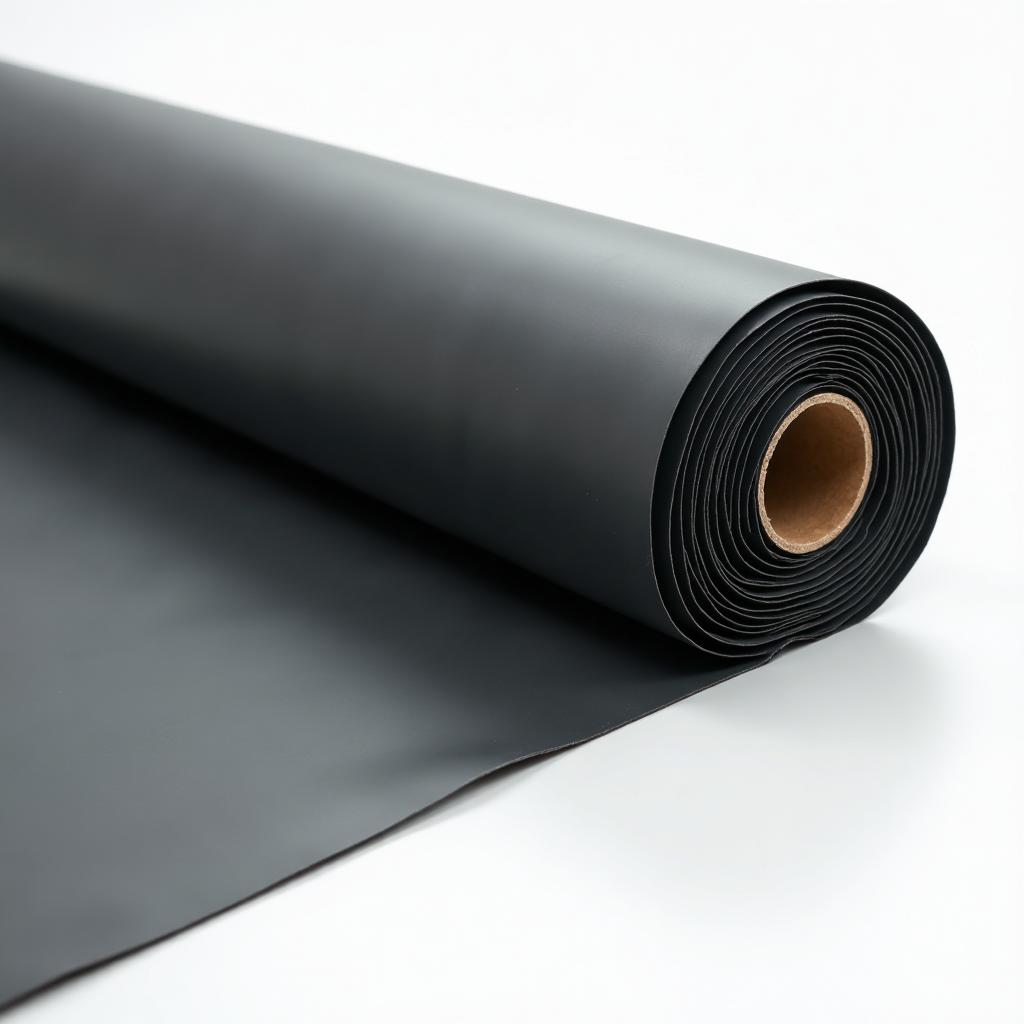
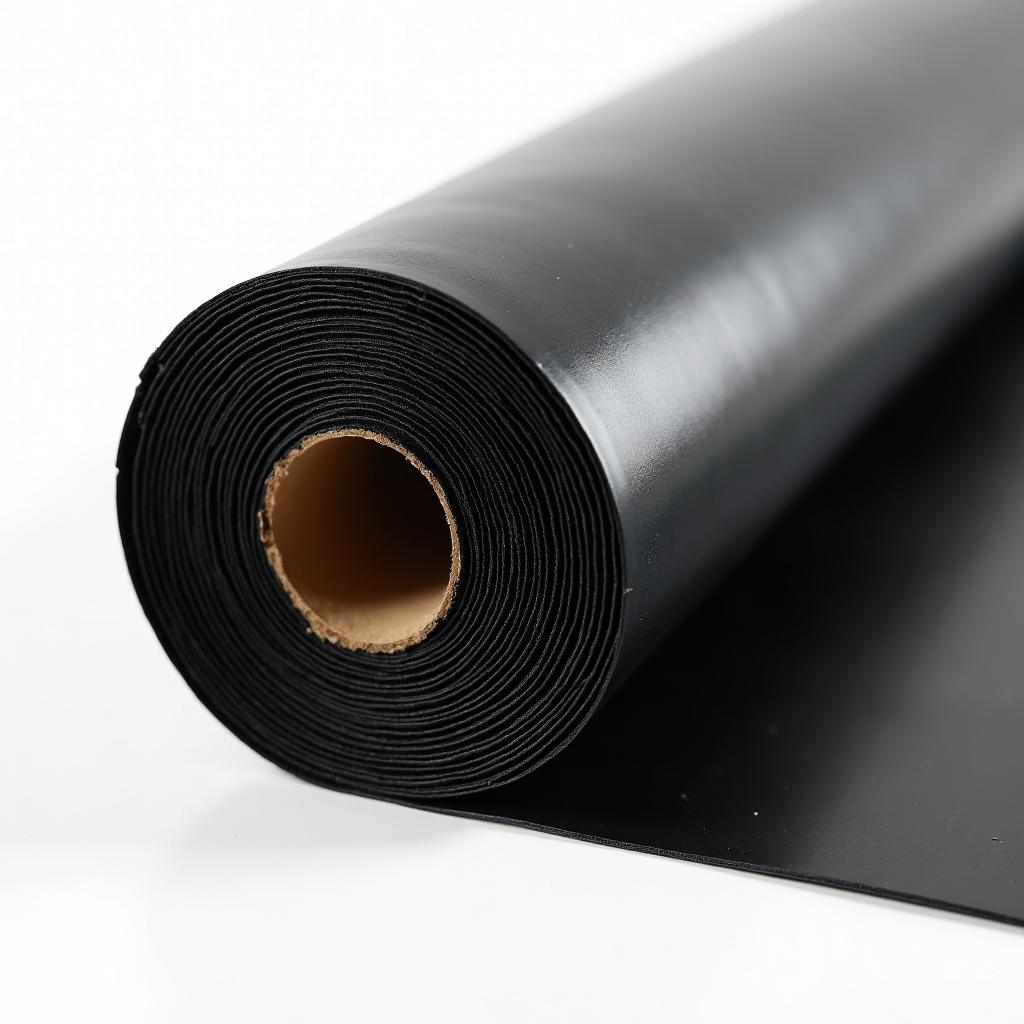
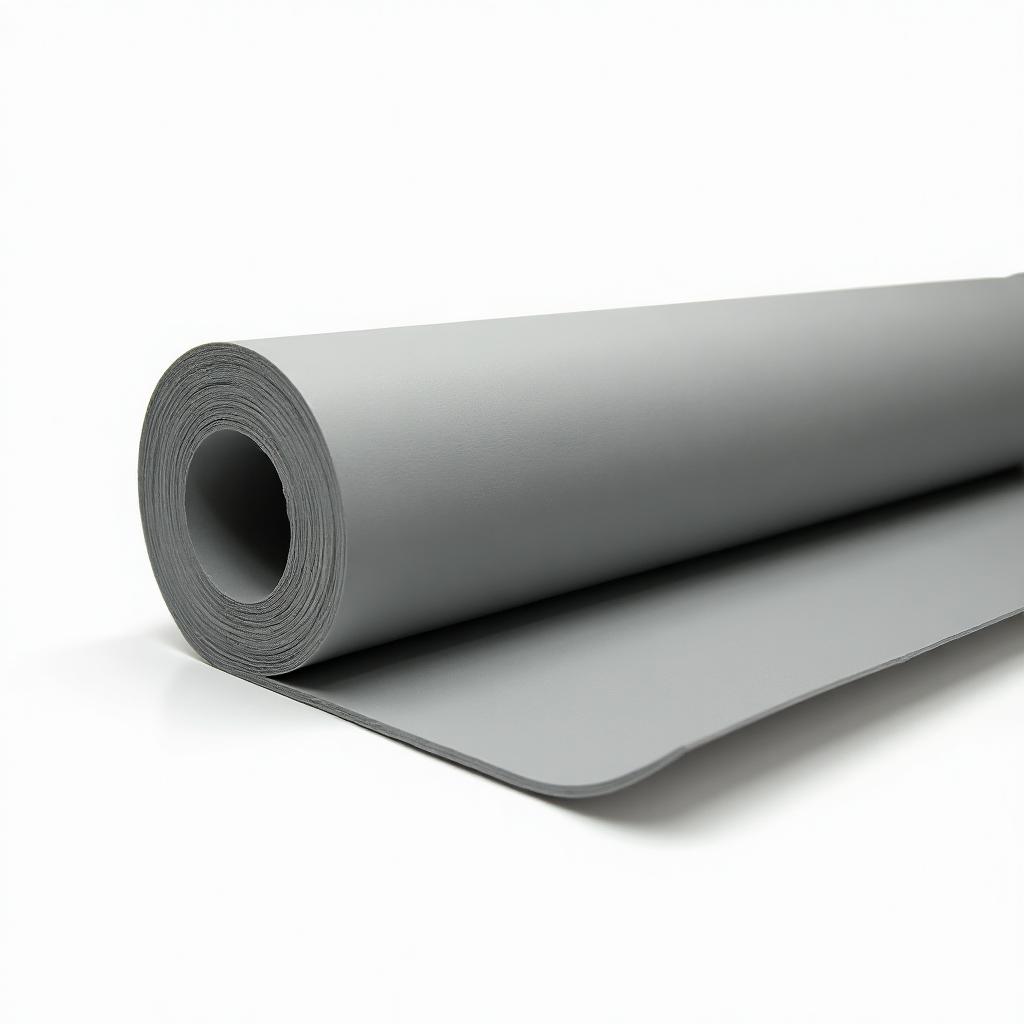
Our Complete Product Line
Professional-grade soundproofing materials for any application
Need Expert Soundproofing Advice?
Our team of soundproofing specialists is here to help you choose the right products and installation methods for your museum or gallery project.