Condo Soundproofing with Mass Loaded Vinyl (MLV)
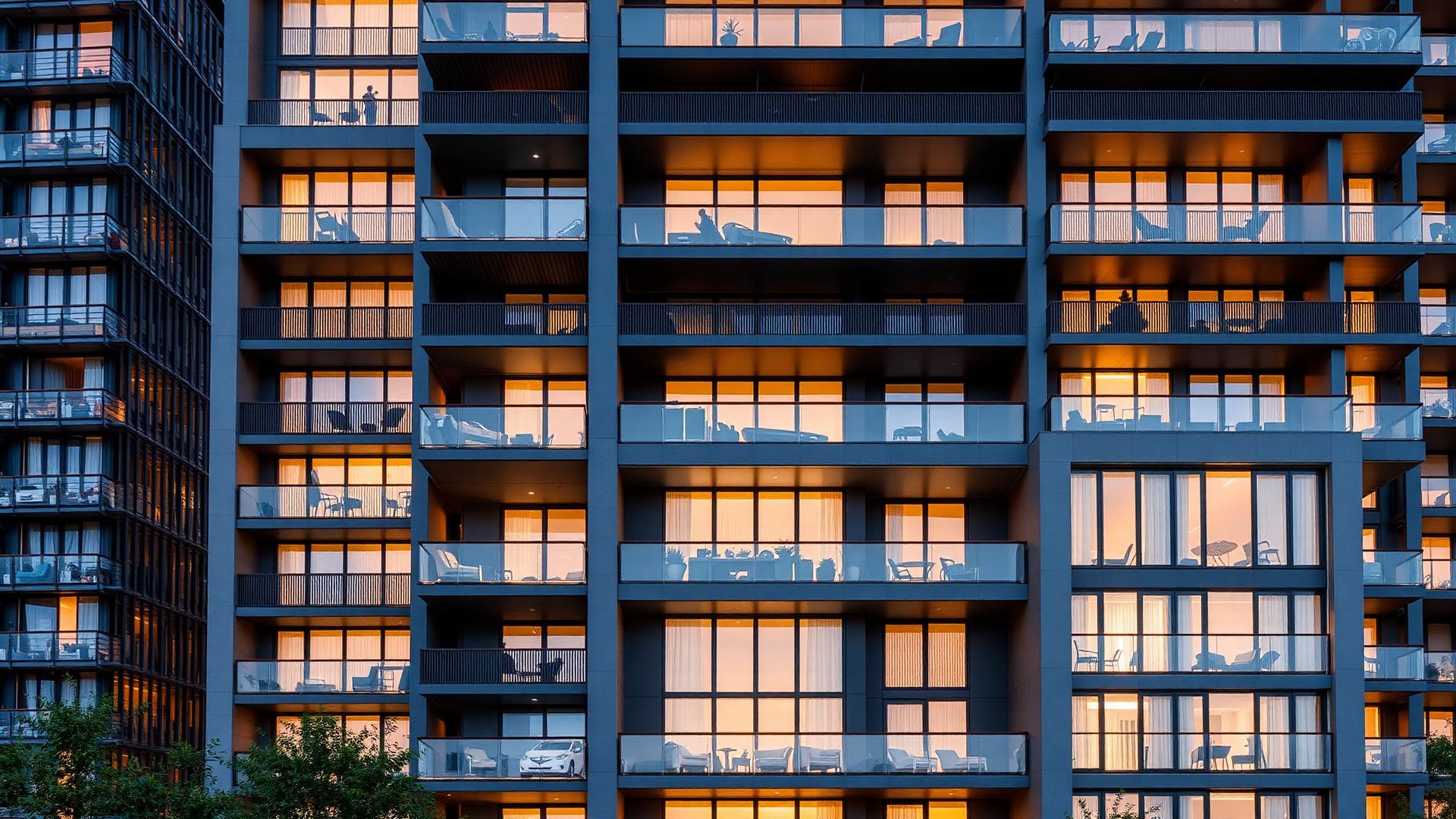
1The Unique Challenge of Condo Soundproofing
Condo soundproofing differs fundamentally from houses or apartments in several critical ways.
You Own Half the Problem
In a condo, you own your interior space but typically share structural elements:
- Party walls: You can treat your side, but your neighbor's activities create the noise
- Floor/ceiling assemblies: Your ceiling is someone's floor—structural sound paths are shared
- Plumbing stacks: Common plumbing walls transmit water sounds throughout the building
- HVAC systems: Shared mechanical systems can carry noise between units
- Hallways: Common area noise affects units facing corridors
The Investment Equation
Unlike renters who need portable solutions, condo owners can invest in permanent improvements:
| Consideration | Renter Approach | Condo Owner Approach |
|---|---|---|
| Budget mindset | Minimize investment | ROI over ownership period |
| Solutions | Portable, removable | Permanent, integrated |
| Resale impact | Not applicable | Major consideration |
| Approvals needed | Landlord only | HOA + building management |
| Timeline | Lease duration | 5-30+ years |
Building Construction Matters
Condo soundproofing effectiveness depends heavily on your building's construction:
- Concrete high-rise: Excellent structure-borne isolation, focus on airborne noise through penetrations
- Wood-frame townhouse: Maximum treatment needed—wood transmits both airborne and impact noise
- Steel-frame mid-rise: Good bones but often thin partitions—wall treatment highly effective
- Converted building: Older construction often has surprisingly good mass but poor sealing
2Understanding Common Condo Noise Issues
Before investing in soundproofing, identify exactly what type of noise you're experiencing.
Airborne vs. Structure-Borne Noise
| Noise Type | Sources | How It Travels | MLV Effectiveness |
|---|---|---|---|
| Airborne | Voices, TV, music, barking | Through air, then walls | ★★★★★ Excellent |
| Impact | Footsteps, dropped items | Through structure | ★★★☆☆ Moderate (needs decoupling) |
| Mechanical | HVAC, plumbing, elevators | Through ducts and pipes | ★★★★☆ Good for enclosures |
| Low-frequency | Subwoofers, bass | Through structure | ★★★★☆ Good with mass |
Common Condo Noise Complaints
The most frequent issues condo owners face, ranked by frequency:
- Footsteps from above: Impact noise through floor/ceiling assemblies (50% of complaints)
- TV/music from neighbors: Airborne noise through common walls (25%)
- Hallway noise: Conversations, foot traffic, door slamming (10%)
- Plumbing noise: Flushing, pipes filling, water hammer (8%)
- Mechanical noise: HVAC, elevators, garage doors (7%)
Diagnosing Your Specific Issue
Walk through your unit during peak noise times and note:
- Which rooms have the worst noise problems?
- What times does the noise occur? (Helps identify source)
- What type of noise is it? (Voices = airborne, footsteps = impact)
- Which surfaces seem to transmit the most? (Walls, ceiling, floor?)
- Are there specific penetrations (outlets, vents) that are noticeably louder?
3HOA Considerations and Approval Strategies
Most condo soundproofing requires HOA approval—here's how to navigate the process successfully.
What Typically Requires Approval
- Usually approved: Interior drywall modifications, floor covering changes, door replacements matching existing style
- May require approval: Electrical outlet modifications, HVAC adjustments, window interior treatments
- Almost always requires approval: Window replacements, exterior modifications, any changes to common elements
- Often prohibited: Changes affecting building envelope, structural modifications, exterior appearance changes
Building Your Case
Present your request professionally with these elements:
- Technical documentation: Specifications showing materials meet fire codes (Class A flame spread for MLV)
- Licensed contractor: HOAs prefer or require licensed professionals for any building modifications
- Before/after drawings: Simple sketches showing the modification won't affect structure or appearance
- Reversibility: Emphasize that soundproofing can be removed if needed (though MLV is permanent, it doesn't damage structure)
- Comparable approvals: Reference other units that have made similar improvements
Common HOA Objections and Responses
| Objection | Response |
|---|---|
| "This could affect the structure" | MLV adds 1-2 lbs/sf—less than a bookshelf. Drywall installation follows standard building practices. |
| "Fire code concerns" | Quality MLV is Class A fire-rated. Provide manufacturer certification. |
| "This sets a precedent" | Soundproofing benefits the entire building by reducing noise complaints between units. |
| "We don't allow modifications" | This is an interior finish upgrade, not a structural modification. Most bylaws permit interior improvements. |
Working with Neighbors
Sometimes the best approach is cooperation:
- Split costs: If both units benefit, consider sharing soundproofing expenses for the common wall
- Coordinate schedules: Treat walls simultaneously for maximum effectiveness
- Address their concerns: Your soundproofing helps them too—frame it as mutual benefit
- Floor/ceiling cooperation: Upper floor carpet + lower ceiling treatment = best results
4Common Wall Solutions
Party walls between units are usually the top priority for condo soundproofing.
Assessing Your Current Wall
Before treatment, understand what you're working with:
| Wall Type | Typical STC | What You'll Hear |
|---|---|---|
| Single drywall on studs | STC 33-35 | Normal conversation clearly audible |
| Double drywall on studs | STC 38-40 | Loud speech audible, normal speech muffled |
| Insulated single drywall | STC 38-42 | Loud speech muffled, TV audible |
| Double-stud wall | STC 50-55 | Only loud impacts or bass noticeable |
| Concrete block | STC 45-52 | Good isolation, weak points at penetrations |
Option 1: MLV + Drywall Over Existing Wall
The most common and effective condo solution:
- Process: Apply 1 lb/sf MLV directly to existing drywall, seal all edges with acoustic sealant, add new layer of 5/8" drywall over MLV
- Space loss: Approximately 3/8" total wall thickness increase
- STC improvement: +8-12 points (e.g., STC 35 → STC 43-47)
- Cost: $3-5/sf installed, or $500-1,000 per 10' wall section DIY
- Difficulty: Moderate DIY project—taping and mudding requires skill
Option 2: Decoupled Wall System
For maximum isolation in problem areas:
- Process: Add resilient channels to existing wall, attach MLV to channels, add new drywall layer
- Space loss: Approximately 1-1.5" total wall thickness increase
- STC improvement: +12-18 points (e.g., STC 35 → STC 47-53)
- Cost: $5-8/sf installed, or $800-1,500 per 10' wall section DIY
- Best for: Home theaters, music rooms, or extremely noisy neighbors
Option 3: Full Isolation Wall
Building a completely separate wall in front of existing:
- Process: Build new stud wall with 1" air gap from existing, fill with insulation, add MLV + drywall
- Space loss: 4-5" minimum
- STC improvement: +20-25 points (achieve STC 55-60)
- Cost: $10-15/sf installed
- Best for: Recording studios, home theaters, or persistent noise issues when space permits
Critical Details for Success
- Seal all edges: Caulk perimeter of MLV with acoustic sealant—any gap kills performance
- Overlap seams: MLV seams should overlap 2" and be sealed with MLV tape
- Extend to ceiling: Stop 1" from ceiling and seal the gap—don't leave a sound path above
- Handle outlets: Use acoustic putty pads behind all outlet boxes
- Door/window returns: Wrap MLV into door and window jambs for complete coverage
5Floor and Ceiling Treatment
Impact noise from above is the most common condo complaint—and the hardest to solve from below.
The Physics of Impact Noise
When someone walks on the floor above, they create vibrations that travel through:
- Direct path: Floor → subfloor → joists → your ceiling
- Flanking paths: Vibrations travel through wall studs connected to floor joists
- Resonance: Your ceiling drywall amplifies certain frequencies like a speaker cone
Key insight: Treating your ceiling blocks airborne noise effectively, but impact noise requires treatment at the source (the floor above) for best results.
Ceiling Treatment Options
| Solution | Airborne Reduction | Impact Reduction | Cost/SF |
|---|---|---|---|
| MLV + new drywall | ★★★★★ | ★★☆☆☆ | $3-5 |
| Resilient channels + MLV + drywall | ★★★★★ | ★★★★☆ | $5-8 |
| Sound isolation clips + hat channel + MLV | ★★★★★ | ★★★★★ | $8-12 |
| Dropped ceiling with isolation | ★★★★★ | ★★★★☆ | $6-10 |
The Resilient Channel Approach
Most cost-effective ceiling upgrade for condos:
- Install resilient channels perpendicular to joists, 24" on center
- Attach 1 lb/sf MLV to channels
- Install 5/8" drywall to channels (screw into channel, never joist)
- Tape, mud, and finish as normal
Performance: Adds STC 12-18 and IIC 10-15 to existing ceiling assembly.
Working with Upstairs Neighbors
The most effective solution involves the floor above:
- Area rugs: Ask neighbors to add rugs over hard floors (often required by condo rules anyway)
- Underlayment: If they're replacing flooring, request acoustic underlayment installation
- Split costs: Offer to pay for their underlayment—cheaper than extensive ceiling work
- HOA involvement: If noise violates quiet enjoyment rules, request enforcement
Your Own Floor Treatment
Treating your floor helps the unit below and can reduce echo in your own space:
- Acoustic underlayment: When replacing flooring, add quality underlayment (IIC 68-72 rated)
- MLV under floating floor: Adds mass to reduce both impact and airborne transmission
- Carpet with pad: Most effective floor treatment for impact noise
6Door and Entry Upgrades
Entry doors and interior doors facing common hallways are major weak points in condo soundproofing.
Entry Door Assessment
Most condo entry doors have these problems:
- Hollow-core construction: Many builders use hollow-core doors even for entries (STC 15-20)
- Poor sealing: Gaps around the door perimeter leak enormous amounts of sound
- Mail slots: Direct sound paths that bypass door mass entirely
- Undercuts: Large gaps under doors for HVAC return air
Door Upgrade Options
| Upgrade | STC Improvement | Cost | HOA Approval |
|---|---|---|---|
| Weatherstripping + sweep | +5-10 points | $50-100 | Rarely needed |
| Solid-core door replacement | +10-15 points | $300-600 | Usually needed |
| Acoustic door seal kit | +8-12 points | $100-250 | Rarely needed |
| Commercial acoustic door | +20-30 points | $1,500-3,000 | Usually needed |
Sealing Protocol
Proper door sealing is often more impactful than the door itself:
- Perimeter seal: Install compression weatherstripping on all three sides of the frame
- Door sweep: Add automatic door sweep that seals when closed
- Threshold: Install adjustable threshold with seal
- Hinge-side seal: Use continuous hinge or seal the hinge gaps
- Lock hardware: Ensure deadbolt and hardware don't create gaps
Interior Doors
Doors between quiet rooms (bedrooms) and common areas also matter:
- Replace hollow-core: Solid-core doors are the single biggest interior upgrade
- Seal all doors: Even interior doors benefit from weatherstripping
- Consider pocket doors: If replacing, swing doors seal better than pocket doors
7Window Soundproofing Options
Windows often represent the weakest acoustic link in otherwise well-insulated condos.
Window Performance Ratings
| Window Type | Typical STC | Notes |
|---|---|---|
| Single pane | STC 21-25 | Minimal sound blocking |
| Standard dual pane | STC 26-28 | Slightly better, but similar glass resonates together |
| Laminated dual pane | STC 32-36 | PVB interlayer dampens vibration |
| Dissimilar thickness dual | STC 30-34 | Different pane thicknesses break resonance |
| Triple pane acoustic | STC 38-45 | Best standard option |
Options Without Replacement
Window replacement often requires HOA approval and can be expensive. Consider these alternatives:
- Interior storm windows: Add a second pane inside existing windows (+8-15 STC points, $200-400/window)
- Acoustic window inserts: Removable interior panels that seal to frame (+10-20 STC points, $400-800/window)
- Window plugs: Custom-fit MLV-lined plugs for windows you don't need to use (blocks 90%+ of noise)
- Heavy curtains: Mass-loaded curtains provide modest reduction (+3-5 dB, $100-300/window)
Seal Before Adding Mass
Sound leaks around window frames often exceed transmission through glass:
- Check weatherstripping: Replace worn seals on operable windows
- Caulk frame gaps: Seal gaps between frame and wall with acoustic sealant
- Address tracks: Sliding windows often have gaps in tracks—add brush seals
- Inspect muntins: Windows with divided lights may have gaps between panes and muntins
8Mechanical and HVAC Noise
Condos share mechanical systems that can carry noise throughout the building.
Common Mechanical Noise Sources
- Elevator machinery: Units adjacent to elevator shafts hear motors and cables
- Rooftop HVAC: Top-floor units may experience compressor and fan noise
- Garbage chutes: Units near chutes hear items dropping
- Parking garages: Units above garages hear doors, cars, and exhaust fans
- Plumbing risers: Vertical pipe stacks transmit flushing and water sounds
HVAC-Specific Solutions
Ductwork can carry neighbor sounds directly into your unit:
- Duct liner: Adding acoustic liner to ducts absorbs transmitted sound
- Inline silencers: Duct silencers reduce both fan noise and crosstalk
- Flex duct sections: Short flexible duct sections break sound paths
- Register selection: Heavy-duty registers with dampers reduce transmission
Plumbing Noise Solutions
- Pipe insulation: Wrap exposed pipes with MLV pipe wrap
- Wall treatment: Add MLV to walls containing plumbing stacks
- Water hammer arrestors: Install on supply lines to eliminate banging
- Pipe hangers: Replace rigid hangers with vibration-isolating types
Building-Wide Issues
Some mechanical noise requires building management involvement:
- Elevator adjustments: Modern elevators can be adjusted to reduce startup/stopping noise
- HVAC scheduling: Request adjusted schedules for rooftop equipment during sleeping hours
- Vibration isolation: Building may need to add isolation to major equipment
- Duct modifications: In-duct treatments may require building engineer approval
9DIY vs. Professional Installation
Condo soundproofing can be DIY or professional depending on scope and your skills.
Good DIY Candidates
- Door sealing: Weatherstripping, sweeps, and threshold installation
- Window treatments: Acoustic curtains, window inserts, caulking
- Small wall sections: Single wall treatment with MLV + drywall
- Floor underlayment: Adding underlayment when you're already replacing flooring
- Outlet treatments: Acoustic putty pads and outlet gaskets
Better Left to Professionals
- Full room treatments: Multiple walls, ceiling, and floor
- Ceiling work: Working overhead with heavy materials is challenging and potentially dangerous
- Decoupled systems: Resilient channels and sound clips require precise installation
- Electrical modifications: Moving or modifying outlets requires licensed electrician
- Any work requiring permits: Professional ensures code compliance
Cost Comparison
| Project | DIY Cost | Professional Cost | DIY Difficulty |
|---|---|---|---|
| Door sealing | $50-100 | $150-300 | Easy |
| One wall (10' section) | $300-500 | $800-1,500 | Moderate |
| Full room (4 walls) | $1,200-2,000 | $4,000-8,000 | Challenging |
| Ceiling treatment | $400-800 | $1,500-3,000 | Difficult |
| Comprehensive (walls + ceiling) | $2,000-4,000 | $6,000-12,000 | Very difficult |
Finding Qualified Contractors
Not all contractors understand acoustic principles. Look for:
- Acoustic specialty: Contractors who specifically advertise soundproofing services
- STC/IIC knowledge: They should understand acoustic ratings and assembly performance
- Condo experience: Familiarity with HOA processes and common building types
- Proper materials: They should specify mass loaded vinyl by weight (1 lb/sf, 2 lb/sf), not generic "soundproofing material"
- Sealing emphasis: Good acoustic contractors obsess over sealing details
12Conclusion
Condo soundproofing requires balancing effectiveness with HOA constraints, investment with resale value, and ideal solutions with practical realities. The good news: significant improvements are achievable even with modest budgets and typical HOA restrictions.
Start with the biggest noise sources and weakest links—usually doors and the primary shared wall. Door sealing alone ($50-100) can reduce hallway noise by 30-50%. Adding MLV to one problem wall ($500-1,500 DIY) can transform an unbearable neighbor situation into peaceful coexistence.
For comprehensive treatment, budget $3,000-8,000 for professional installation of walls and ceiling in a typical bedroom or home office. While not inexpensive, this investment pays dividends in daily comfort, better sleep, improved focus, and enhanced property value. Proper soundproofing is one of the few home improvements that genuinely improves quality of life every single day.
FAQs: Condo Soundproofing
Related Guides in Residential Soundproofing
Continue exploring with these hand-picked articles
Home Studio Soundproofing with Mass Loaded Vinyl (MLV)
Complete guide to soundproofing your home studio with Mass Loaded Vinyl. Achieve professional-grade STC 55-60 isolation for recording, mixing, and producing without disturbing neighbors or household members.
Apartment Soundproofing with Mass Loaded Vinyl (MLV)
Transform your apartment, studio, or loft into a peaceful retreat. Complete guide to using Mass Loaded Vinyl for blocking neighbor noise through walls, ceilings, and floors—solutions for renters and owners.
Home Theater Soundproofing with Mass Loaded Vinyl (MLV)
Keep your movie nights from disturbing the rest of the house or neighbors. Complete guide to using Mass Loaded Vinyl for containing loud movies, music, and gaming sound in your dedicated home theater room.
Our Complete Product Line
Professional-grade soundproofing materials for any application
Need Expert Soundproofing Advice?
Our team of soundproofing specialists is here to help you choose the right products and installation methods for your museum or gallery project.