Bedroom Soundproofing with Mass Loaded Vinyl (MLV)
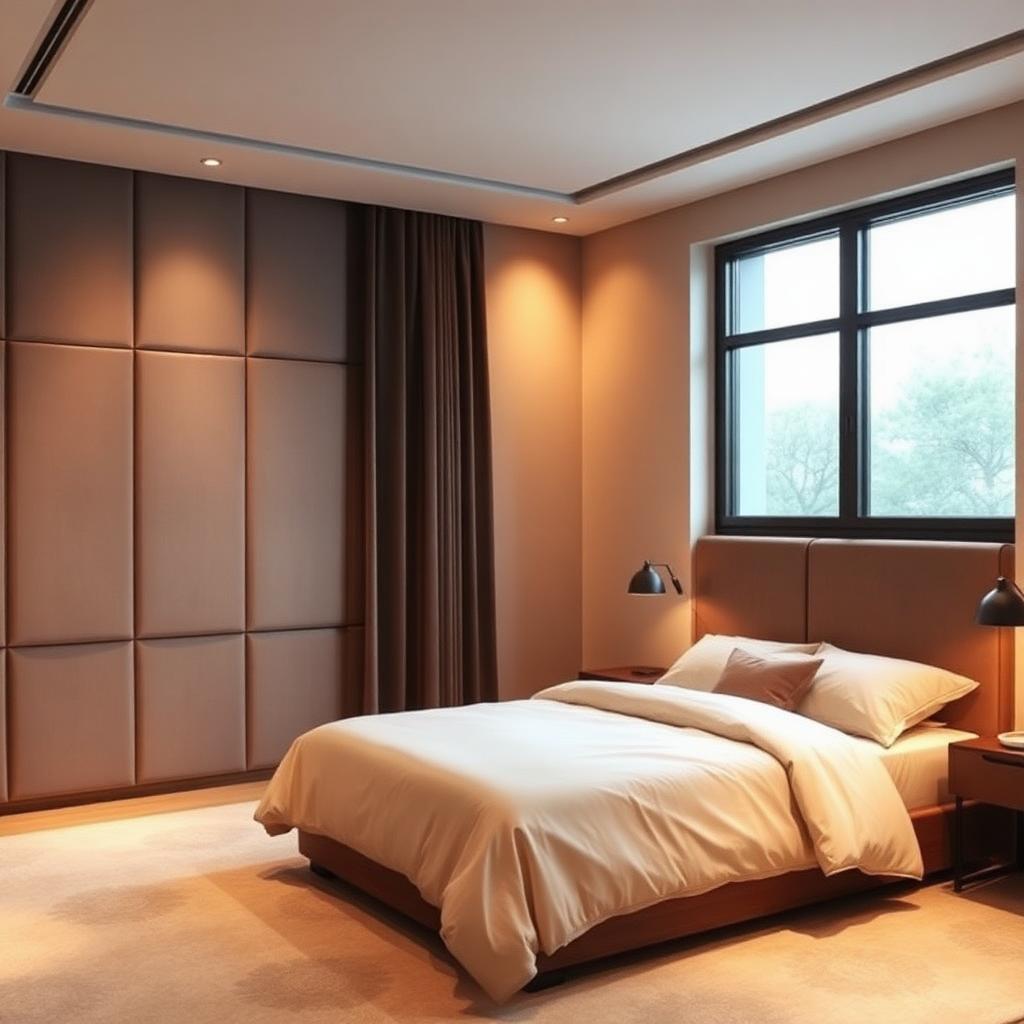
1Why Sleep Quality Depends on Soundproofing
Understanding the relationship between noise and sleep helps justify the investment in proper soundproofing.
The Sleep-Noise Connection
Research from the World Health Organization (WHO) establishes clear thresholds:
| Noise Level | Effect on Sleep | Common Sources |
|---|---|---|
| Under 30 dB | Ideal for deep sleep | Quiet rural environment |
| 30-40 dB | Minor disturbances possible | Quiet suburban street |
| 40-55 dB | Frequent awakenings, reduced REM sleep | Urban traffic, loud neighbors |
| 55-70 dB | Significant sleep disruption | Busy street, barking dogs |
| Above 70 dB | Difficulty falling asleep | Highway, airport flight path |
Health Consequences of Noise Pollution
Chronic nighttime noise exposure is linked to serious health outcomes:
- Cardiovascular stress: Increased blood pressure and heart rate, even during sleep
- Hormonal disruption: Elevated cortisol levels that persist into waking hours
- Cognitive impairment: Reduced memory consolidation and next-day focus
- Mood disorders: Increased rates of depression and anxiety
- Metabolic effects: Links to weight gain and diabetes risk
The Economic Value of Quiet Sleep
Consider the true cost of poor sleep:
- Lost productivity: Sleep-deprived workers lose an average of 11.3 days of productivity annually
- Healthcare costs: Sleep disorders increase annual healthcare spending by $2,000-$3,000 per person
- Property value: Homes on quiet streets command 5-10% premiums over noisy locations
- Quality of life: Priceless improvements in daily energy, mood, and relationships
A $1,500-4,000 bedroom soundproofing investment often pays for itself in the first year through improved productivity and reduced stress-related health issues.
2Common Bedroom Noise Sources
Effective soundproofing starts with identifying your specific noise problems.
External Noise Sources
| Source | Typical Level | Frequency | Primary Entry Point |
|---|---|---|---|
| Urban traffic | 55-70 dB | Low frequency | Windows, exterior walls |
| Highway noise | 65-80 dB | Low-mid frequency | Windows, walls, roof |
| Aircraft | 70-90 dB | Full spectrum | Windows, roof |
| Barking dogs | 60-80 dB | Mid frequency | Windows |
| Construction | 70-95 dB | Variable | Windows, walls |
| Nightlife/bars | 60-85 dB | Bass-heavy | Windows, walls |
Internal Building Noise
Even in quiet neighborhoods, internal sources disrupt sleep:
- Snoring partner: 50-70 dB—one of the most common sleep disturbances
- HVAC systems: 35-55 dB from forced air or radiator systems
- Plumbing: 40-60 dB when toilets flush or showers run
- Household members: TVs, conversations, and activity in other rooms
- Appliances: Refrigerators, dishwashers, washing machines
Multi-Family Specific Issues
Apartments and condos face additional challenges:
- Footsteps from above: Impact noise travels through floor/ceiling assemblies
- Neighbor TVs and music: Bass frequencies penetrate party walls easily
- Hallway noise: Doors slamming, conversations, foot traffic
- Elevator machinery: Adjacent shafts create constant low-frequency hum
Identifying Your Priority
Spend a few nights cataloging disturbances:
- What time does the noise occur? (Helps identify source)
- Where does the noise seem loudest? (Identifies entry points)
- What type of noise? (Low rumble vs. sharp sounds)
- How often? (Constant vs. intermittent)
3The Science of Blocking Bedroom Noise
Understanding acoustic principles helps you invest wisely in the right solutions.
How Sound Enters Your Bedroom
Sound follows the path of least resistance, entering through:
- Windows: Often the weakest link—standard dual-pane windows offer only STC 26-28
- Walls: Exterior walls with standard insulation provide STC 35-40
- Doors: Hollow-core interior doors offer just STC 15-20
- Gaps and seals: A 1% gap in a wall reduces its STC by 10 points or more
- Flanking paths: Sound travels through outlets, vents, and structural connections
The Mass Law of Soundproofing
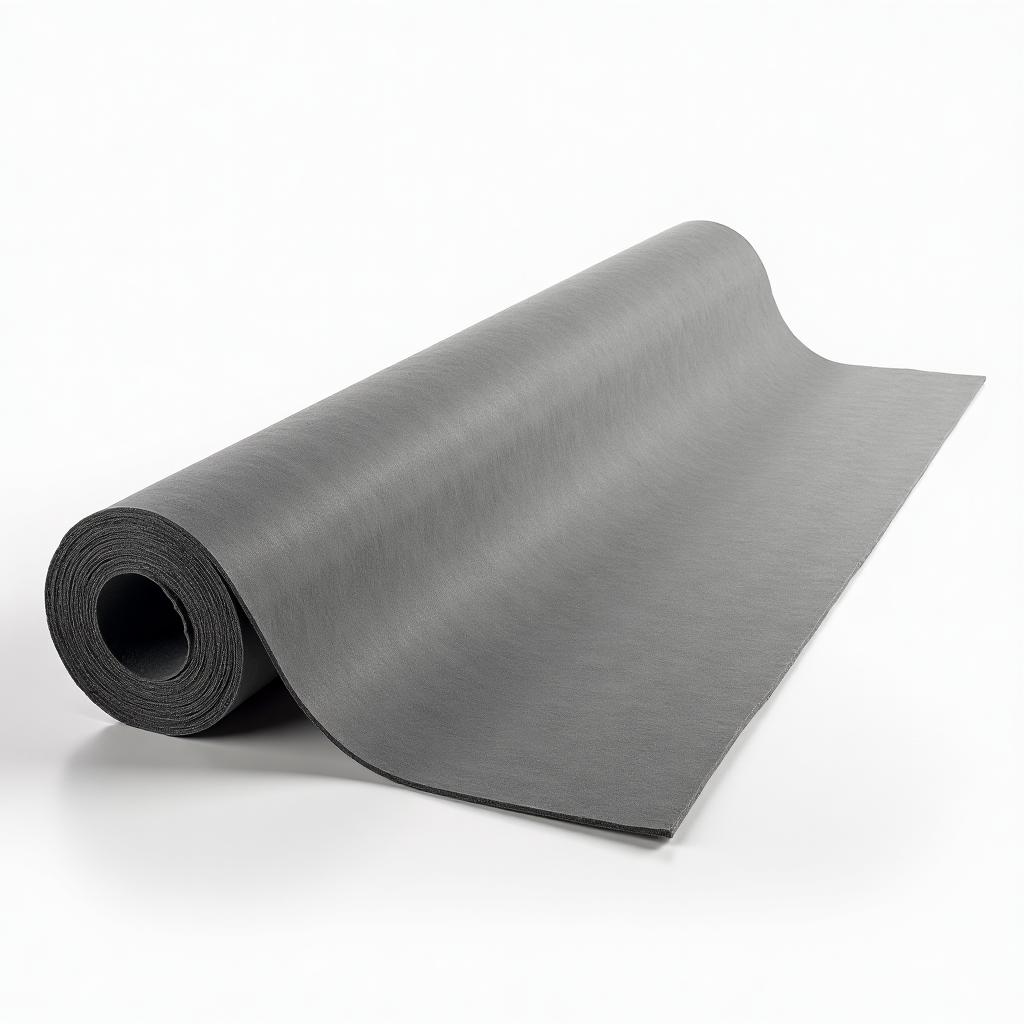
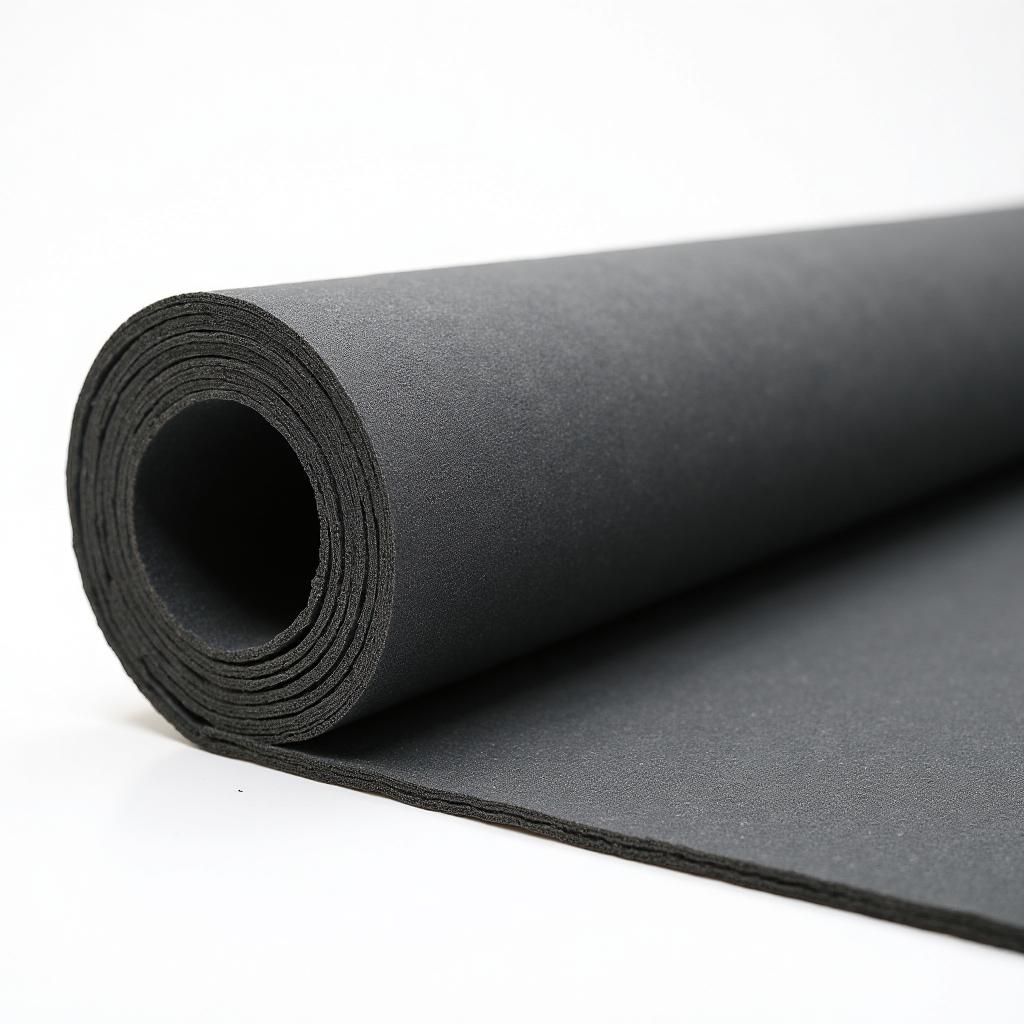
The fundamental principle: doubling the mass of a barrier adds approximately 6 STC points. This is why Mass Loaded Vinyl is so effective—it adds significant mass in a thin, flexible profile:
| MLV Weight | Thickness | STC Contribution | Best For |
|---|---|---|---|
| 0.6 lb/sf (MLV Lite) | 1/16" | +5-7 STC | Light treatment, pipes, ductwork |
| 1 lb/sf (MLV Regular) | 1/8" | +8-10 STC | Most bedroom applications |
| 1.1 lb/sf (MLV Pro) | 1/4" | +12-15 STC | Maximum isolation, highway noise |
Complete System Approach
Effective bedroom soundproofing treats the room as a system:
- Mass: Add weight to walls, ceilings, and doors (MLV is ideal)
- Sealing: Eliminate every air gap—sound leaks like water through cracks
- Decoupling: Break direct connections between surfaces where possible
- Absorption: Reduce internal echo (secondary benefit, not primary blocking)
Critical insight: The weakest element limits overall performance. A perfectly soundproofed wall means nothing if a hollow-core door allows noise to bypass it.
4Wall Soundproofing Solutions
Bedroom walls—especially those facing streets, neighbors, or noisy household areas—are often the primary treatment target.
Assessing Your Current Wall Performance
| Wall Construction | Typical STC | What You'll Hear |
|---|---|---|
| Single drywall, no insulation | STC 28-30 | Normal conversation audible |
| Single drywall + insulation | STC 33-36 | Loud speech audible |
| Double drywall + insulation | STC 40-44 | Loud sounds muffled |
| Exterior wall (typical) | STC 35-42 | Traffic audible, voices muffled |
Option 1: MLV + Drywall Overlay (Best Value)
The most cost-effective bedroom wall upgrade:
- Apply 1 lb/sf MLV directly to existing drywall using adhesive or mechanical fasteners
- Seal all seams with MLV tape and all edges with acoustic sealant
- Install new layer of 5/8" drywall over MLV
- Tape, mud, and paint as normal
Performance: Adds 8-12 STC points. A STC 35 wall becomes STC 43-47.
Cost: $3-5/sf materials, $400-700 for typical 100 sf bedroom wall (DIY).
Space impact: Adds approximately 3/8" to wall thickness.
Option 2: Decoupled Wall System (Maximum Performance)
For severe noise problems or when maximum isolation is needed:
- Install resilient channels horizontally across existing wall, 24" on center
- Attach 1 lb/sf MLV to resilient channels
- Install 5/8" drywall to channels (screws into channels only, never studs)
- Seal all perimeters with acoustic caulk
Performance: Adds 15-20 STC points. Significantly reduces low-frequency transmission.
Cost: $5-8/sf materials, $700-1,200 for typical bedroom wall.
Space impact: Adds approximately 1" to wall thickness.
Critical Installation Details
- Seal every edge: Use acoustic sealant where MLV meets ceiling, floor, and adjacent walls
- Overlap seams: MLV seams should overlap 2" and be sealed with MLV tape
- Address outlets: Use acoustic putty pads behind all outlet boxes on treated walls
- Extend to boundaries: MLV should run continuous to all edges—no gaps behind baseboards
- Don't puncture: Minimize screws through MLV; use adhesive where possible
5Window Treatments and Upgrades
Windows are typically the weakest acoustic link in any bedroom—and often the most cost-effective place to improve.
Standard Window Performance
| Window Type | STC Rating | Notes |
|---|---|---|
| Single pane | STC 21-25 | Minimal blocking, common in older homes |
| Standard dual pane | STC 26-28 | Similar glass thicknesses resonate together |
| Laminated dual pane | STC 32-36 | PVB interlayer dampens vibration |
| Triple pane acoustic | STC 38-45 | Best standard replacement option |
| Secondary glazing | +10-15 STC | Added to existing windows |
Option 1: Seal Existing Windows (Low Cost)
Often the best first step—many windows leak sound around frames, not through glass:
- Weatherstripping: Replace worn seals on operable windows ($20-50)
- Acoustic caulk: Seal gaps between window frame and wall ($15-30)
- Window film: Acoustic dampening film can add 2-4 STC ($50-100 per window)
Cost: $50-150 per window. Improvement: 3-8 STC points from sealing alone.
Option 2: Interior Window Inserts (Best Value)
Acrylic or glass panels that mount inside existing window frames:
- Installation: Custom-fit panels compress against interior trim or magnetic strips
- Air gap: 2-4" gap between existing window and insert creates excellent isolation
- Removability: Most inserts can be removed for cleaning or ventilation
- Appearance: Nearly invisible when closed, preserves window aesthetics
Cost: $200-500 per window. Improvement: 10-20 STC points depending on air gap.
Option 3: Window Plugs (Maximum Isolation)
For bedrooms where you don't need daytime light or ventilation:
- Construction: Custom-fit plug of MLV + plywood + acoustic foam that seals into window opening
- Performance: Can achieve 25-30 STC improvement when properly sealed
- Use case: Night shift workers, extreme noise environments, or windows facing construction
- Removability: Designed to be inserted at night, removed during day if desired
Cost: $100-200 per window (DIY). Improvement: 20-30+ STC points.
Acoustic Curtains: Realistic Expectations
Heavy curtains help but have limitations:
- Improvement: 3-5 dB reduction (not STC, as curtains don't create sealed barriers)
- Best use: Supplement to other treatments, reduce echo, block light
- Requirements: Floor-to-ceiling, sealed to walls, heavy material (1-2 lbs/sf)
- Cost: $100-400 per window
6Door Sealing and Upgrades
Bedroom doors are often overlooked but can be the easiest and cheapest improvement.
The Problem with Standard Doors
Most interior bedroom doors are hollow-core—essentially two thin panels around an empty core:
- Hollow-core door: STC 15-20 (normal conversation easily audible)
- Solid-core door: STC 25-30 (loud sounds muffled)
- Acoustic door: STC 40-55 (commercial-grade isolation)
But here's the catch: Even the best door provides zero protection if there are gaps around it. A 1/8" gap under a solid-core door reduces effective STC to 15-18.
Sealing Protocol (Do This First)
- Perimeter weatherstripping: Install compression seals on top and both sides of frame ($20-40)
- Door sweep: Add automatic sweep that seals when door closes ($25-50)
- Threshold: Install adjustable threshold with seal if gap exceeds 1/8" ($30-60)
- Strike plate: Ensure door closes tight against weatherstripping
Cost: $75-150 total. Improvement: Often doubles effective door STC (from 18 to 30+).
Door Replacement Options
| Door Type | STC (Sealed) | Cost | Notes |
|---|---|---|---|
| Solid-core wood | STC 28-32 | $150-400 | Best value upgrade |
| Solid-core + MLV layer | STC 35-40 | $300-600 (DIY) | Add MLV to interior face of solid door |
| Acoustic door | STC 45-55 | $1,500-3,000 | Commercial-grade, rarely needed for bedrooms |
DIY Door Enhancement
Upgrade your existing door without full replacement:
- Add MLV to door: Apply 1 lb/sf MLV to interior (bedroom-facing) side, cover with decorative panel or fabric (+8-12 STC)
- Add mass: Replace hollow-core with solid-core, or add 1/2" MDF panel to existing door face
- Seal the hinge side: Acoustic foam tape along hinge gap blocks flanking sound
7Floor and Ceiling Considerations
For most single-family bedroom situations, floors and ceilings are secondary priorities—but critical for apartments or multi-story homes.
When Ceiling Treatment Matters
Prioritize ceiling treatment if:
- Upstairs footsteps: Impact noise from family members or apartment neighbors above
- HVAC noise: Ductwork or equipment in attic space above bedroom
- Roof noise: Rain, hail, or aircraft on flight paths
- Home theater above: Bass from entertainment spaces transmits through structure
Ceiling Treatment Options
| Treatment | Airborne Reduction | Impact Reduction | Cost/SF |
|---|---|---|---|
| MLV + new drywall | ★★★★☆ | ★★☆☆☆ | $3-5 |
| Resilient channels + MLV + drywall | ★★★★★ | ★★★★☆ | $5-8 |
| Sound clips + hat channel + MLV | ★★★★★ | ★★★★★ | $8-12 |
Floor Treatment
Bedroom floors typically need treatment only in specific situations:
- Helping downstairs rooms: If your bedroom is above a noise-sensitive space
- Ground-floor vibration: Homes near highways may get structure-borne vibration through foundation
- Cold floors: Acoustic underlayment provides thermal insulation as secondary benefit
Attic and Roof Considerations
For bedrooms directly under the roof:
- Rain noise: Metal roofs are especially problematic—underlayment or spray foam helps
- Flight paths: Homes under approach paths benefit from attic floor treatment with MLV
- HVAC in attic: Wrap ductwork with MLV pipe wrap, isolate equipment from ceiling joists
8Creating a Sleep Sanctuary: Complete Treatment Plan
A strategic, phased approach maximizes results while respecting your budget.
Phase 1: Sealing and Quick Wins ($100-300)
Often achieves 30-50% of total possible improvement for 10% of the cost:
- Seal all window frames with acoustic caulk
- Install door weatherstripping and automatic sweep
- Add outlet gaskets to exterior walls
- Seal gaps around baseboards and trim
Expected improvement: 5-10 dB reduction in noise levels.
Phase 2: Window Upgrades ($400-1,500)
Address the weakest acoustic link:
- Install window inserts on street-facing windows
- Or: Create removable window plugs for nighttime use
- Add heavy acoustic curtains as supplemental treatment
Expected improvement: Additional 8-15 dB on window-sourced noise.
Phase 3: Door Upgrade ($150-600)
Complete the envelope:
- Replace hollow-core door with solid-core
- Or: Add MLV to existing door interior
- Ensure all seals remain tight after door change
Expected improvement: Additional 10-15 dB on interior-sourced noise.
Phase 4: Wall Treatment ($1,000-4,000)
For persistent issues or maximum isolation:
- Treat primary noise-source wall with MLV + drywall
- Consider decoupled system for street-facing walls
- Extend treatment to secondary walls if needed
Expected improvement: Additional 8-15 dB on wall-transmitted noise.
Budget Summary
| Approach | Total Investment | Expected Result |
|---|---|---|
| Basic (sealing only) | $100-300 | Noticeable improvement, moderate noise still audible |
| Standard (sealing + windows + door) | $700-2,000 | Significant improvement, only loud events audible |
| Comprehensive (full envelope) | $2,500-6,000 | Near-complete isolation, peaceful sleep environment |
| Maximum (add ceiling, all walls) | $5,000-12,000 | Recording studio quiet, blocks most external sound |
11Conclusion
Your bedroom should be the quietest room in your home—a true sanctuary from the noise of the outside world. The good news is that significant improvements are achievable at every budget level, from $100 sealing kits to comprehensive treatments.
Start with the fundamentals: seal gaps, upgrade the weakest link (usually windows), and ensure your door actually blocks sound. For most homeowners, a $500-2,000 investment in these basics transforms sleep quality dramatically.
For persistent noise problems—highways, airports, nightlife, or especially inconsiderate neighbors—don't hesitate to invest in wall treatment. MLV-based wall upgrades are permanent improvements that add value to your home while delivering life-changing sleep quality benefits.
The investment in bedroom soundproofing pays dividends every single night for decades to come. Better sleep means better health, better productivity, and a better quality of life. That makes it one of the smartest home improvements you can make.
FAQs: Bedroom Soundproofing
Related Guides in Residential Soundproofing
Continue exploring with these hand-picked articles
Home Studio Soundproofing with Mass Loaded Vinyl (MLV)
Complete guide to soundproofing your home studio with Mass Loaded Vinyl. Achieve professional-grade STC 55-60 isolation for recording, mixing, and producing without disturbing neighbors or household members.
Apartment Soundproofing with Mass Loaded Vinyl (MLV)
Transform your apartment, studio, or loft into a peaceful retreat. Complete guide to using Mass Loaded Vinyl for blocking neighbor noise through walls, ceilings, and floors—solutions for renters and owners.
Home Theater Soundproofing with Mass Loaded Vinyl (MLV)
Keep your movie nights from disturbing the rest of the house or neighbors. Complete guide to using Mass Loaded Vinyl for containing loud movies, music, and gaming sound in your dedicated home theater room.
Our Complete Product Line
Professional-grade soundproofing materials for any application
Need Expert Soundproofing Advice?
Our team of soundproofing specialists is here to help you choose the right products and installation methods for your museum or gallery project.