Medical/Dental Office Soundproofing with Mass Loaded Vinyl (MLV)
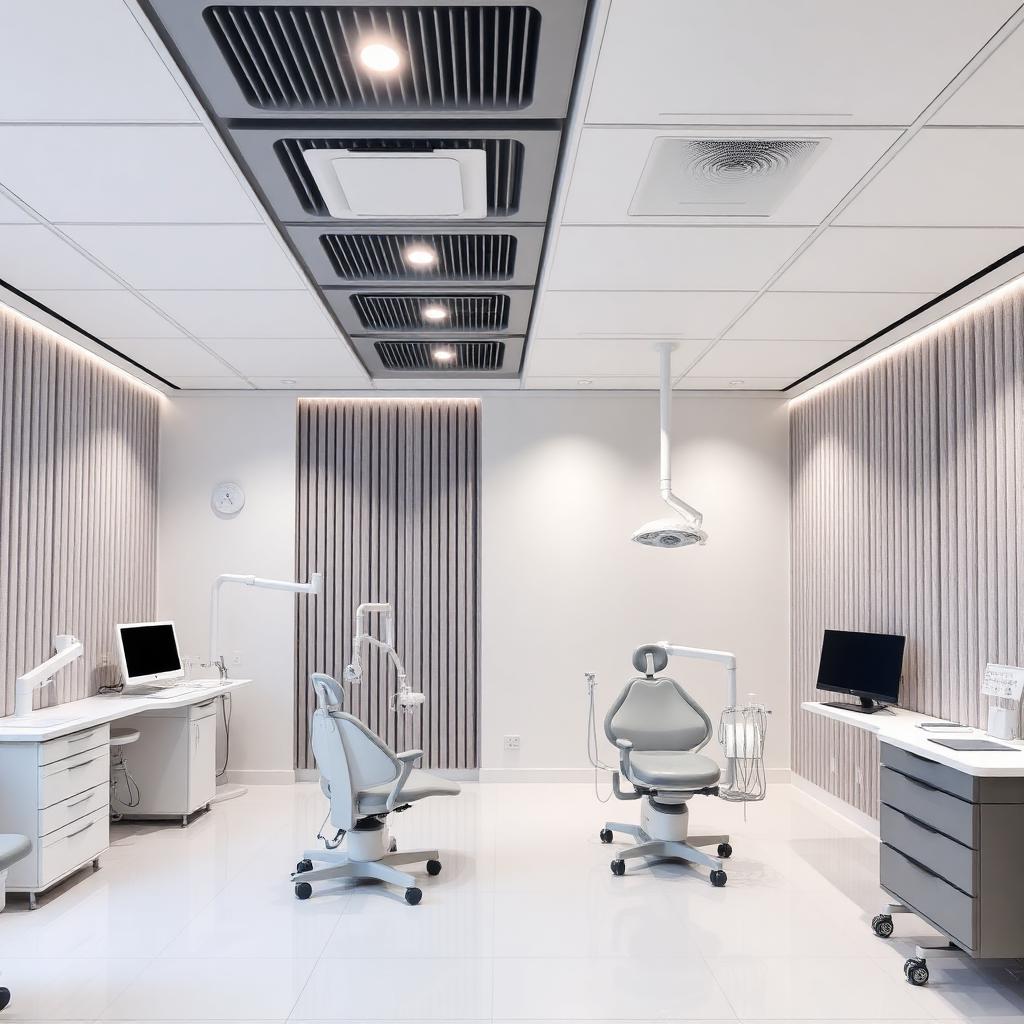
2HIPAA Compliance Through Acoustic Design
Understanding the Legal Standard
• Reasonable safeguards: Practices must demonstrate they've taken reasonable steps to prevent overhearing
• Risk assessment: Annual HIPAA risk assessments should include acoustic privacy evaluation
• Documentation: Document acoustic improvements as evidence of HIPAA compliance efforts
• Enforcement trend: OCR (Office for Civil Rights) increasingly considers facility design in investigations
Speech Privacy Metrics for Healthcare
| Privacy Level | Target STC | Privacy Index | Typical Application |
|---|---|---|---|
| Basic Privacy | STC 40-45 | PI 70-85% | Administrative offices, billing |
| Normal Privacy | STC 45-50 | PI 85-95% | General exam rooms, consultation |
| Confidential | STC 50-55 | PI 95%+ | Mental health, specialty exams |
| Maximum Privacy | STC 55-60+ | PI 99%+ | Psychiatric, addiction counseling |
MLV as the HIPAA Compliance Solution
• Measurable improvement: Adding 1 lb/sq ft MLV typically improves STC by 5-10 points—often enough for compliance
• Cost-effective: $1.50-2.50/sq ft vs. $8-15/sq ft for full wall reconstruction
• Documentable: STC testing before and after provides evidence for HIPAA compliance files
• Combinable: MLV + sound masking achieves equivalent privacy to walls costing 3-4x more
3Exam Room Soundproofing Solutions
Common Exam Room Acoustic Failures
• Back-to-back electrical outlets: Create direct sound paths through the wall—equivalent to a 2" hole
• Hollow-core doors: Standard interior doors achieve only STC 20-25, negating wall performance
• HVAC ductwork: Shared return air ducts between rooms transmit conversations clearly
• Thin wall assemblies: Single-layer drywall on metal studs achieves only STC 33-38
MLV Retrofit Solutions for Exam Rooms
• Plenum barrier: Install MLV curtain above ceiling grid from wall top to deck—stops flanking transmission
• Outlet treatment: Install MLV-backed putty pads behind all electrical boxes on shared walls
• Door upgrade: Replace hollow-core with solid-core doors + perimeter seals + automatic door bottom
• Duct lining: Line shared ductwork with MLV-backed acoustic duct liner for 10-15 dB reduction
New Construction Exam Room Specifications
| Wall Location | Recommended Assembly | Target STC | Cost/SF |
|---|---|---|---|
| Exam-to-exam | 2x4 stud + 1 lb MLV Regular + 5/8" gypsum ea. side + R-11 | STC 50-52 | $5-7 |
| Exam-to-corridor | 2x4 stud + 5/8" gypsum ea. side + R-11 | STC 45-48 | $3-5 |
| Exam-to-waiting | 2x4 stud + 1 lb MLV Regular + 5/8" gypsum ea. side + R-11 | STC 50-52 | $5-7 |
| Mental health office | Staggered stud + 1 lb MLV Regular + 2x 5/8" gypsum + R-19 | STC 55-58 | $8-11 |
Recommended for Medical & Dental Offices
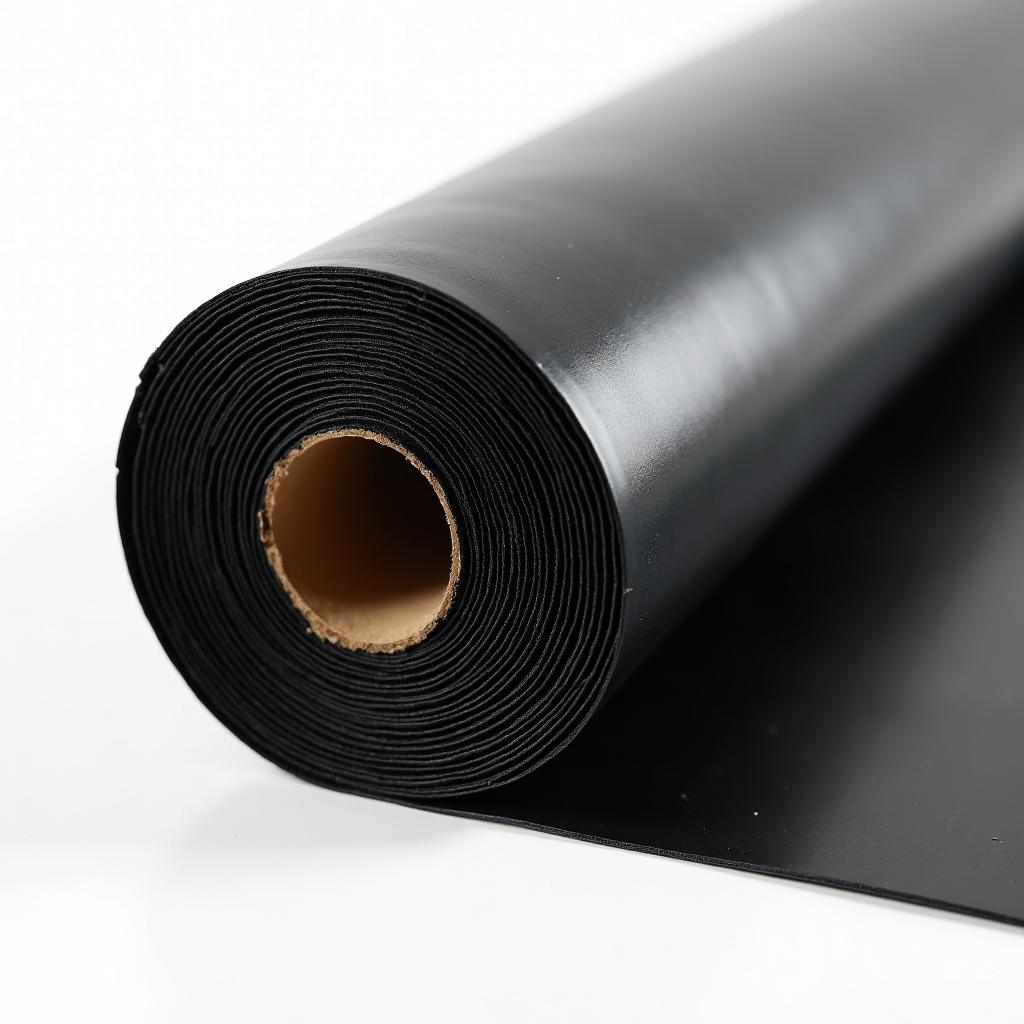
MLV Regular (1 lb/sq ft) is ideal for exam rooms and operatories. Upgrade to MLV Pro (1.1 lb/sq ft) for procedure rooms, imaging suites, and mental health offices requiring maximum privacy.
4Dental Practice Noise Control
Understanding Dental Noise Sources
• Ultrasonic scalers: 65-80 dB with high-frequency components patients find especially distressing
• Dental vacuum systems: Continuous 55-70 dB that elevates background noise throughout the practice
• Air compressors: 70-85 dB concentrated in mechanical rooms but vibrating through building structure
• Patient reactions: Pediatric patients and anxious adults generate 80-100+ dB requiring containment
Operatory Soundproofing Strategies
• MLV in operatory walls: 1 lb/sq ft MLV Regular adds STC 5-8 points, containing drill noise for adjacent patients
• Acoustic glazing: Borrowed-light windows between operatories must use laminated acoustic glass
• Ceiling treatment: High-NRC ceiling tiles (0.90+) reduce reflected drill noise within the operatory
• Vibration isolation: Mount dental unit connections with vibration dampeners to prevent structure-borne noise
Compressor and Vacuum Room Isolation
• Vacuum pump isolation: Central vacuum systems need spring-mounted bases and MLV-lined enclosures
• Vibration breaks: Flexible connections between compressor/vacuum and supply lines prevent vibration transmission
• Door performance: Solid-core doors with full perimeter seals—mechanical room doors are often overlooked
• Location planning: Position mechanical rooms away from operatories and waiting areas when possible
5Waiting Room and Reception Privacy
Reception Desk Privacy Solutions
• Privacy screens: Acoustic privacy panels between check-in stations reduce cross-talk for multi-window reception
• Speak-through systems: Replace open windows with talk-through intercom systems that maintain privacy
• Staff training: Lower voice volume + acoustic improvements together achieve the greatest privacy gain
• Check-in kiosks: Electronic check-in eliminates verbal sharing of name, DOB, and insurance at reception
Waiting Area Acoustic Design
• Ceiling absorption: NRC 0.90+ ceiling tiles reduce reverberation and improve masking effectiveness
• Wall treatment: MLV-enhanced corridor walls (STC 45-50) prevent exam room sounds from reaching waiting areas
• Furniture layout: Maximum spacing between seating positions improves perceived privacy
• Designated quiet zones: Separate waiting areas for sensitive specialties (mental health, oncology)
Pediatric Practice Considerations
• Crying containment: Pediatric exam rooms need STC 50+ walls to prevent cascade anxiety in waiting patients
• Entertainment systems: Waiting room TVs and sound systems need volume controls and directional speakers
• Parent consultation rooms: Dedicated quiet rooms for discussing diagnoses away from children
• Sensory-friendly design: Acoustic comfort is essential for neurodiverse pediatric patients
6Equipment and Mechanical Room Isolation
Imaging Equipment Noise Control
• CBCT scanners: Cone beam CT in dental offices generates rotation noise requiring STC 50 isolation
• Ultrasound rooms: Quiet environment (NC 30-35) essential for clear imaging—control HVAC noise
• Panoramic X-ray: Brief exposure noise contained with standard MLV-enhanced walls
• Vibration isolation: All imaging equipment should sit on vibration isolation pads to prevent structure-borne noise
HVAC Noise Management
• HEPA filtration: High-efficiency filters increase fan pressure and energy, producing more noise
• Exhaust requirements: Dental nitrous oxide exhaust and laboratory hoods add dedicated fan noise
• Duct treatment: Line supply and return ducts near patient areas with 1" acoustic duct liner
• Diffuser selection: Use low-velocity diffusers (≤500 FPM) in exam rooms to achieve NC 35-40 targets
Sterilization and Lab Areas
• Ultrasonic cleaners: Instrument cleaning baths generate 60-75 dB of high-frequency noise
• Lab equipment: Dental labs with grinding and polishing equipment need STC 50+ separation from patient areas
• Dishwashers and sinks: Commercial-grade cleaning equipment in instrument processing areas
• MLV solution: Wrap sterilization room walls with 1 lb MLV to achieve STC 50-55 containment
7ROI of Medical Office Soundproofing
Patient Retention Value
• Dental patient value: Average dental patient worth $15,000-25,000 over lifetime with preventive care
• Retention improvement: Practices report 10-15% reduction in patient attrition after acoustic upgrades
• Referral increase: Improved patient experience drives 20-30% more word-of-mouth referrals
• Break-even timeline: Most medical office acoustic upgrades pay for themselves within 6-12 months
HIPAA Risk Mitigation Value
• Tier 4 violations: $50,000+ per incident for willful neglect—acoustic privacy falls here if ignored
• Investigation costs: Legal fees, staff time, and operational disruption average $100,000+ per investigation
• Corrective action plans: OCR-mandated remediation often costs 5-10x more than proactive improvement
• Prevention math: $5,000-15,000 for acoustic upgrades vs. $100,000+ for a single HIPAA investigation
Staff Productivity Gains
• Reduced voice strain: Staff sick days from vocal fatigue decrease 30-40% in quieter environments
• Better concentration: Clinicians report 20-30% improvement in focus during patient assessments
• Staff satisfaction: Noise reduction is consistently rated as a top workplace improvement by healthcare workers
• Recruitment advantage: Practices with better acoustic environments attract and retain better talent
8Implementation Guide for Existing Facilities
Phase 1: Assessment and Quick Wins (Week 1-2)
• Sound masking installation: Above-ceiling speaker systems can be installed in hours with minimal disruption
• Door sealing: Add perimeter seals and automatic door bottoms to existing doors—immediate privacy improvement
• Outlet treatment: Install acoustic putty pads behind electrical boxes on shared walls during off-hours
• Expected improvement: Sound masking + sealing typically improves effective privacy by 8-15 dB equivalent
Phase 2: Targeted Wall Upgrades (Week 3-6)
• Overlay method: Apply 1 lb MLV over existing drywall with acoustic sealant, then finish with new 5/8" gypsum
• Plenum barriers: Install MLV curtains above ceiling grid to stop flanking paths
• Work scheduling: Complete one zone at a time—typically 2-3 rooms per weekend to minimize patient impact
• Expected improvement: STC increase of 8-12 points on treated walls
Phase 3: Mechanical and Equipment Isolation (Week 7-10)
• HVAC modifications: Add duct liner, replace noisy diffusers, adjust fan speeds
• Door replacements: Swap hollow-core doors for solid-core with acoustic seals on priority rooms
• Verification testing: Measure STC and PI ratings to document improvement for HIPAA compliance files
• Budget guidance: Typical 8-10 exam room practice: $8,000-20,000 for comprehensive acoustic upgrade
Minimizing Patient Disruption
• Zone-by-zone approach: Never take more than 2-3 rooms offline simultaneously
• Dust containment: Plastic barriers and negative air pressure during any drywall work—critical in healthcare
• Off-gassing: MLV is non-toxic and low-VOC but allow 24-48 hours ventilation before patient use
• Infection control: Follow facility infection control protocols during construction—ICRA assessment required
11Conclusion
Medical and dental office soundproofing isn't a luxury—it's a compliance requirement, a patient retention strategy, and a staff wellness investment all wrapped into one. Every day that patients overhear conversations through your walls, you're risking HIPAA penalties, losing patients to competitors who prioritize privacy, and burning out staff who can't concentrate in noisy environments.
The good news: mass loaded vinyl makes healthcare acoustic upgrades remarkably cost-effective. A typical 8-10 exam room practice can achieve HIPAA-compliant speech privacy for $8,000-20,000—a fraction of a single HIPAA investigation's cost. Adding 1 lb/sq ft MLV Regular to exam room walls improves STC ratings by 8-12 points, and combined with sound masking, delivers privacy equivalent to walls costing 3-4x more.
Start with the quick wins—sound masking and door sealing deliver immediate privacy improvements. Then systematically upgrade exam room walls with MLV overlays, targeting your most sensitive spaces first. Within 2-3 months, you'll have a practice where patients share information confidently, staff work without noise-induced stress, and your HIPAA compliance documentation shows proactive investment in patient privacy.
FAQs: Medical Dental Office Soundproofing MLV
Related Guides in Commercial Soundproofing
Continue exploring with these hand-picked articles
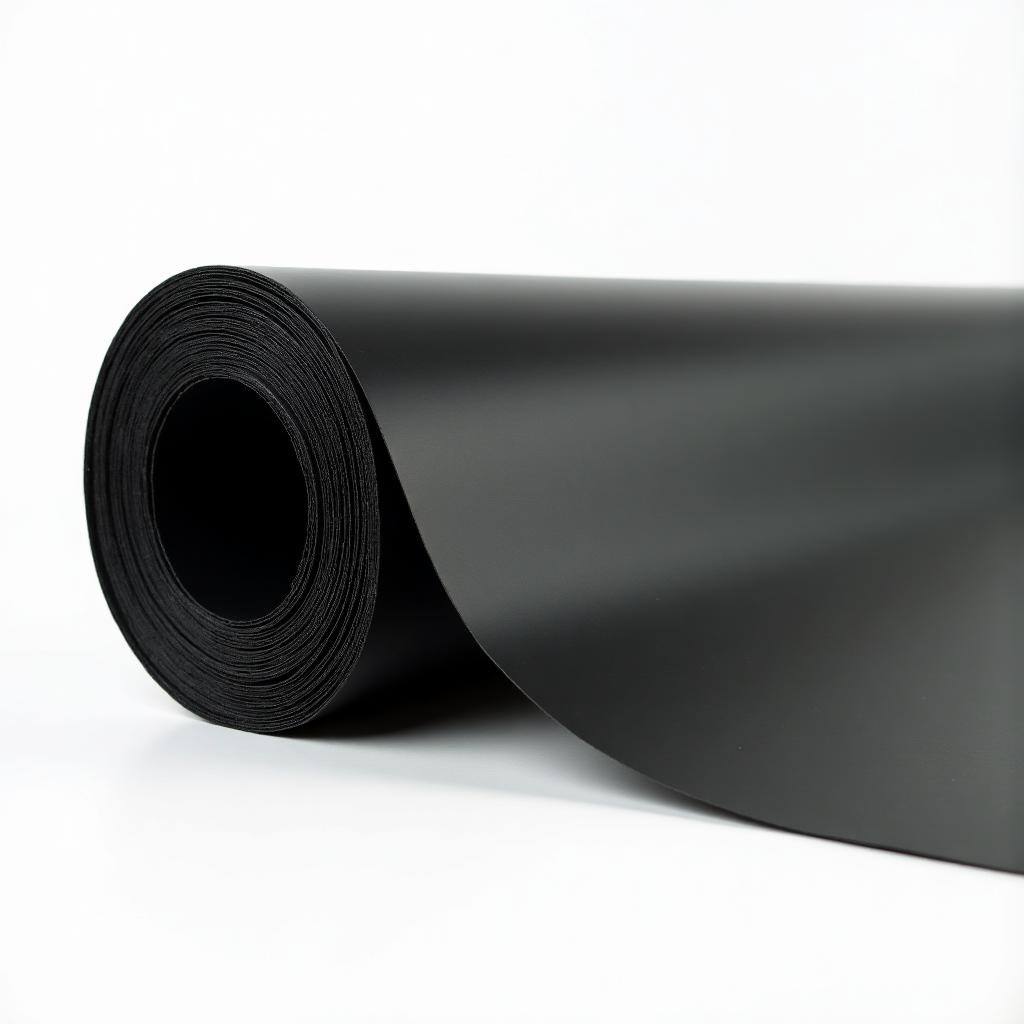
Our Complete Product Line
Professional-grade soundproofing materials for any application
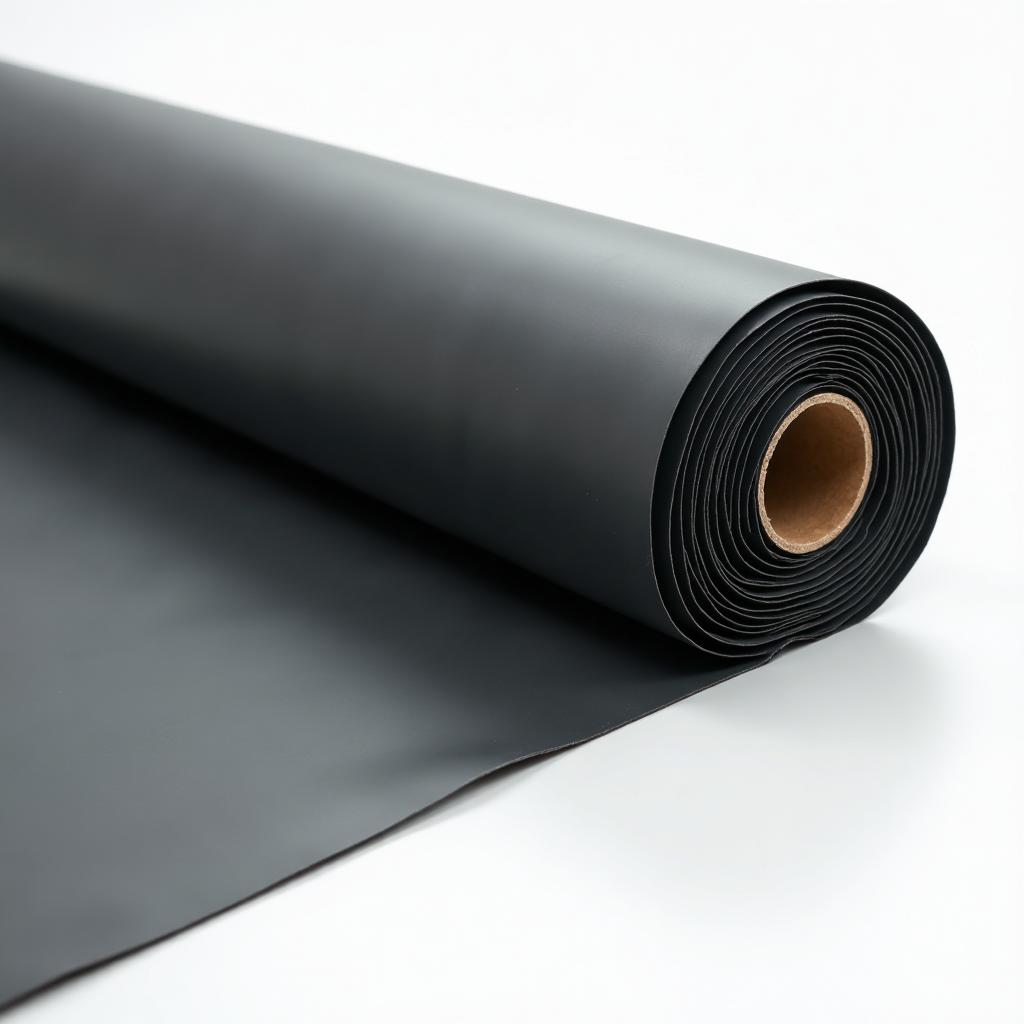
Need Expert Soundproofing Advice?
Our team of soundproofing specialists is here to help you choose the right products and installation methods for your museum or gallery project.