Commercial Soundproofing18 min readPublishedUpdated
Bowling Alley Soundproofing with Mass Loaded Vinyl (MLV)
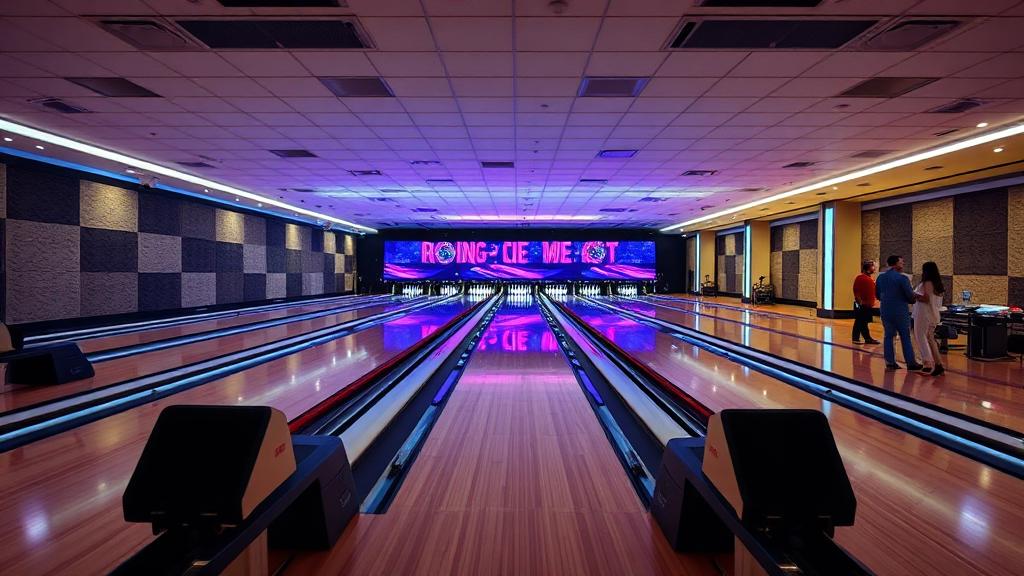
1Why Bowling Centers Need Soundproofing
Bowling facilities face unique acoustic challenges that directly impact guest satisfaction, revenue per square foot, and neighbor relations.
The Modern Entertainment Center Model
Today's bowling centers generate revenue far beyond lane rental:
• Food and beverage: Restaurants and bars often contribute 40-60% of total revenue—guests must enjoy dining
• Private events: Birthday parties, corporate events, and league banquets require speech privacy and comfort
• Premium experiences: VIP lanes and boutique bowling justify premium pricing only when acoustics support intimacy
• Extended hours: Entertainment centers operate evenings and weekends when noise complaints peak
• Arcade and gaming: Electronic games add noise but also revenue opportunities requiring acoustic balance
• Private events: Birthday parties, corporate events, and league banquets require speech privacy and comfort
• Premium experiences: VIP lanes and boutique bowling justify premium pricing only when acoustics support intimacy
• Extended hours: Entertainment centers operate evenings and weekends when noise complaints peak
• Arcade and gaming: Electronic games add noise but also revenue opportunities requiring acoustic balance
Guest Comfort Drives Reviews
Online reviews make or break entertainment venues:
• Noise complaints: 'Too loud to hear our server' kills restaurant revenue regardless of food quality
• Event disappointment: 'Couldn't hear the birthday announcements' prevents rebooking
• Conversation difficulty: Groups who can't talk comfortably shorten visits and reduce per-cap spending
• Hearing fatigue: Extended exposure to 85+ dB causes guests to leave earlier than planned
• Repeat business: Comfortable guests return; uncomfortable guests don't
• Event disappointment: 'Couldn't hear the birthday announcements' prevents rebooking
• Conversation difficulty: Groups who can't talk comfortably shorten visits and reduce per-cap spending
• Hearing fatigue: Extended exposure to 85+ dB causes guests to leave earlier than planned
• Repeat business: Comfortable guests return; uncomfortable guests don't
Operational and Regulatory Pressures
External factors increasingly demand acoustic attention:
• Noise ordinances: Property line limits of 55-65 dBA restrict late-night operation without isolation
• Lease requirements: Multi-tenant landlords mandate STC ratings to protect other businesses
• Workers' compensation: Staff exposure to 85+ dB requires hearing protection programs
• Neighbor complaints: Residential proximity creates tension that threatens operating permits
• Insurance considerations: Some policies require noise control for entertainment venues
• Lease requirements: Multi-tenant landlords mandate STC ratings to protect other businesses
• Workers' compensation: Staff exposure to 85+ dB requires hearing protection programs
• Neighbor complaints: Residential proximity creates tension that threatens operating permits
• Insurance considerations: Some policies require noise control for entertainment venues
2Understanding Pin Crash Acoustics
Effective bowling center soundproofing requires understanding the specific acoustic characteristics of pin impact noise.
The Physics of Pin Crashes
Pin impact creates a distinctive acoustic signature:
• Peak levels: A strike generates 100-115 dB measured 15 feet from the pin deck
• Duration: Each crash lasts 200-400 milliseconds—repeated continuously during active play
• Frequency content: Broadband noise from 63 Hz to 4 kHz, with significant energy at 125-500 Hz
• Low-frequency challenge: The 'crack' of pins has substantial bass content that penetrates standard walls
• Cumulative effect: A busy 24-lane center experiences near-continuous impact events
• Duration: Each crash lasts 200-400 milliseconds—repeated continuously during active play
• Frequency content: Broadband noise from 63 Hz to 4 kHz, with significant energy at 125-500 Hz
• Low-frequency challenge: The 'crack' of pins has substantial bass content that penetrates standard walls
• Cumulative effect: A busy 24-lane center experiences near-continuous impact events
Noise Levels by Location
Understanding how sound decays across the facility helps prioritize treatment:
| Location | Typical SPL (Active Play) |
|---|---|
| Pin deck (5 ft) | 100-110 dB peak |
| Lane approach (15 ft) | 85-95 dB average |
| Scoring area (25 ft) | 80-88 dB average |
| Adjacent restaurant (no treatment) | 75-85 dB |
| Adjacent restaurant (STC 55 wall) | 55-65 dB |
Structure-Borne Vibration
Pin crashes create vibration that travels through building structure:
• Slab transmission: Impact energy radiates through concrete floors to distant areas
• Steel frame paths: Structural steel conducts vibration efficiently
• Ball return systems: Underground machinery adds continuous mechanical vibration
• Pinsetter equipment: Automated pin handling creates constant low-level vibration
• Felt, not just heard: Even when airborne sound is controlled, vibration can be perceptible
• Steel frame paths: Structural steel conducts vibration efficiently
• Ball return systems: Underground machinery adds continuous mechanical vibration
• Pinsetter equipment: Automated pin handling creates constant low-level vibration
• Felt, not just heard: Even when airborne sound is controlled, vibration can be perceptible
3Guest Experience and Revenue Impact
Acoustic quality directly impacts revenue metrics that operators track daily.
Food and Beverage Revenue
Restaurant and bar success depends on comfortable acoustics:
• Table turns: Comfortable guests linger longer, ordering more food and drinks
• Alcohol sales: Bar revenue increases when guests can converse without shouting
• Server efficiency: Clear communication reduces order errors and improves tips
• Brand perception: Upscale bowling concepts require acoustics matching price points
• Review scores: 'Great food, but too loud' is a common 3-star review killer
• Alcohol sales: Bar revenue increases when guests can converse without shouting
• Server efficiency: Clear communication reduces order errors and improves tips
• Brand perception: Upscale bowling concepts require acoustics matching price points
• Review scores: 'Great food, but too loud' is a common 3-star review killer
Event and Party Revenue
Private events command premium pricing when acoustics support them:
• Corporate bookings: Team-building events need presentation capability and conversation comfort
• Birthday parties: Parents want kids to hear announcements and cake-cutting moments
• League banquets: Award ceremonies require speech intelligibility
• Upsell opportunities: Premium party rooms justify $200-500 premiums with acoustic isolation
• Rebooking rates: Successful events lead to repeat bookings and referrals
• Birthday parties: Parents want kids to hear announcements and cake-cutting moments
• League banquets: Award ceremonies require speech intelligibility
• Upsell opportunities: Premium party rooms justify $200-500 premiums with acoustic isolation
• Rebooking rates: Successful events lead to repeat bookings and referrals
Premium Experience Pricing
VIP and boutique bowling concepts depend on acoustic differentiation:
• Price premiums: VIP lanes command 2-3x standard rates when experience justifies it
• Intimacy expectation: Premium guests expect conversation at normal voice levels
• Lounge atmosphere: Upholstered seating and acoustic treatment create perceived value
• Exclusivity signal: Quieter spaces communicate premium positioning
• Competitive advantage: Acoustic quality differentiates from commodity bowling
• Intimacy expectation: Premium guests expect conversation at normal voice levels
• Lounge atmosphere: Upholstered seating and acoustic treatment create perceived value
• Exclusivity signal: Quieter spaces communicate premium positioning
• Competitive advantage: Acoustic quality differentiates from commodity bowling
4Restaurant and Bar Noise Solutions
Food and beverage areas within bowling centers require specific acoustic treatment strategies.
Target Noise Levels
Different dining concepts have different acoustic requirements:
• Casual dining: 65-75 dBA allows comfortable conversation at normal voice levels
• Sports bar: 70-80 dBA acceptable with TV audio and energetic atmosphere
• Upscale restaurant: 60-70 dBA enables intimate conversation and fine dining experience
• Family dining: 70-75 dBA accommodates children while remaining comfortable
• Sports bar: 70-80 dBA acceptable with TV audio and energetic atmosphere
• Upscale restaurant: 60-70 dBA enables intimate conversation and fine dining experience
• Family dining: 70-75 dBA accommodates children while remaining comfortable
Separation Wall Requirements
Achieving target levels requires appropriate wall construction:
• STC 50-55: Achieves 65-75 dBA in dining when lanes are at 85-95 dBA
• STC 55-60: Achieves 55-65 dBA for upscale dining concepts
• Wall construction: Double-layer drywall with 2 lb/sf MLV Pro on stud walls with insulation
• Full-height walls: Walls must extend to structure, not stop at drop ceiling
• Sealed penetrations: All electrical, plumbing, and HVAC penetrations must be acoustically sealed
• STC 55-60: Achieves 55-65 dBA for upscale dining concepts
• Wall construction: Double-layer drywall with 2 lb/sf MLV Pro on stud walls with insulation
• Full-height walls: Walls must extend to structure, not stop at drop ceiling
• Sealed penetrations: All electrical, plumbing, and HVAC penetrations must be acoustically sealed
Visual Connection Options
Many designs want views of lanes from dining areas:
• Acoustic glass: Laminated acoustic glass in rated frames provides views with STC 35-45
• Double glazing: Dual-pane systems with wide air gaps achieve STC 40-50
• Strategic placement: Glass exposure to less active lanes reduces transmitted noise
• Frame details: Proper frame sealing is critical—glass performance is irrelevant with leaky frames
• Double glazing: Dual-pane systems with wide air gaps achieve STC 40-50
• Strategic placement: Glass exposure to less active lanes reduces transmitted noise
• Frame details: Proper frame sealing is critical—glass performance is irrelevant with leaky frames
Ceiling and Absorption Treatment
Reducing reverberation improves speech clarity in dining areas:
• Acoustic ceiling: High-NRC (0.80+) ceiling tiles reduce reflected noise
• Wall panels: Fabric-wrapped acoustic panels on walls absorb sound and reduce echo
• Furniture selection: Upholstered seating and banquettes provide absorption
• Noise masking: Strategic background music raises noise floor to mask pin crash intrusion
• Wall panels: Fabric-wrapped acoustic panels on walls absorb sound and reduce echo
• Furniture selection: Upholstered seating and banquettes provide absorption
• Noise masking: Strategic background music raises noise floor to mask pin crash intrusion
5Party Room and Event Space Isolation
Private event spaces require speech privacy and the ability to hear announcements clearly despite adjacent lane activity.
Speech Privacy Requirements
Event success depends on guests hearing hosts and each other:
• Background target: 55-65 dBA allows comfortable group conversation
• Announcement clarity: PA and host announcements must be intelligible above background
• Music control: Event music should dominate, not compete with lane noise
• Presentation capability: Corporate events may require projector and speaker systems
• Announcement clarity: PA and host announcements must be intelligible above background
• Music control: Event music should dominate, not compete with lane noise
• Presentation capability: Corporate events may require projector and speaker systems
Wall Assembly Specifications
Party room walls need robust construction:
• STC 50-55: Standard party rooms with adjacent active lanes
• STC 55-60: Premium event spaces promising 'private' experience
• Double-stud construction: Separate stud walls with air gap for best performance
• MLV integration: 1-2 lb/sf MLV Regular or MLV Pro on each wall layer addresses low-frequency content
• STC 55-60: Premium event spaces promising 'private' experience
• Double-stud construction: Separate stud walls with air gap for best performance
• MLV integration: 1-2 lb/sf MLV Regular or MLV Pro on each wall layer addresses low-frequency content
Best for Bowling Center Walls & Party Rooms
Our most popular product handles the demanding low-frequency pin crash noise in standard wall assemblies.
Door Performance
Doors are typically the weak point in party room isolation:
• Solid core doors: 1-3/4" solid core minimum, STC 30-35 rated
• Acoustic seals: Full perimeter gaskets and automatic door bottoms essential
• Rated assemblies: STC 40-45 doors for premium event spaces
• Vestibule option: Double-door entry vestibules add 10-15 dB effective isolation
• Acoustic seals: Full perimeter gaskets and automatic door bottoms essential
• Rated assemblies: STC 40-45 doors for premium event spaces
• Vestibule option: Double-door entry vestibules add 10-15 dB effective isolation
Ceiling Treatment
Above-ceiling sound paths must be addressed:
• Full-height walls: Walls extending to structure prevent plenum flanking
• Plenum barriers: When full-height isn't possible, MLV above ceiling grid
• Duct isolation: HVAC ductwork must not create crosstalk between party rooms and lanes
• Acoustic ceiling tile: High-CAC tiles reduce transmission through suspended ceilings
• Plenum barriers: When full-height isn't possible, MLV above ceiling grid
• Duct isolation: HVAC ductwork must not create crosstalk between party rooms and lanes
• Acoustic ceiling tile: High-CAC tiles reduce transmission through suspended ceilings
7Mechanical and Equipment Noise Control
Pin handling equipment, ball returns, and HVAC systems contribute to overall facility noise.
Pinsetter Noise Reduction
Automated pin handling equipment generates significant noise:
• Equipment enclosures: Acoustic enclosures around pinsetter machinery reduce radiated noise
• Vibration isolation: Equipment mounted on isolation pads prevents structure-borne transmission
• Maintenance impact: Well-maintained equipment runs quieter—address worn bearings and belts
• Back-of-house treatment: Acoustic absorption in pin deck areas reduces noise radiating to lanes
• Vibration isolation: Equipment mounted on isolation pads prevents structure-borne transmission
• Maintenance impact: Well-maintained equipment runs quieter—address worn bearings and belts
• Back-of-house treatment: Acoustic absorption in pin deck areas reduces noise radiating to lanes
Ball Return Systems
Underground ball returns contribute continuous mechanical noise:
• Conveyor isolation: Ball return conveyor on vibration-isolated mounting
• Tunnel treatment: Acoustic lining in ball return channels reduces noise transmission
• Ball lift mechanisms: Quiet motor selection and isolation for ball elevator systems
• Regular maintenance: Lubrication and alignment reduce mechanical noise over time
• Tunnel treatment: Acoustic lining in ball return channels reduces noise transmission
• Ball lift mechanisms: Quiet motor selection and isolation for ball elevator systems
• Regular maintenance: Lubrication and alignment reduce mechanical noise over time
HVAC and Mechanical Systems
Large entertainment venues require substantial mechanical systems:
• Equipment selection: Low-noise HVAC equipment specification pays long-term dividends
• Duct design: Proper duct sizing reduces air velocity and turbulence noise
• Vibration isolation: Air handlers and compressors on spring isolators
• Duct lining: Internal acoustic lining reduces airborne noise transmission
• Silencers: Duct silencers near quiet spaces (party rooms, restaurants)
• Duct design: Proper duct sizing reduces air velocity and turbulence noise
• Vibration isolation: Air handlers and compressors on spring isolators
• Duct lining: Internal acoustic lining reduces airborne noise transmission
• Silencers: Duct silencers near quiet spaces (party rooms, restaurants)
Kitchen Equipment
Commercial kitchens generate significant noise affecting adjacent dining:
• Hood systems: Kitchen exhaust hoods and makeup air units are major noise sources
• Dishwashing: Commercial dishwashers at 75-85 dB require acoustic enclosures
• Equipment isolation: Refrigeration compressors on vibration-isolated mounting
• Kitchen wall ratings: STC 50+ between kitchen and dining areas
• Dishwashing: Commercial dishwashers at 75-85 dB require acoustic enclosures
• Equipment isolation: Refrigeration compressors on vibration-isolated mounting
• Kitchen wall ratings: STC 50+ between kitchen and dining areas
8MLV Installation Strategies
Mass loaded vinyl provides essential mass for blocking low-frequency pin crash noise and integrates well with bowling center renovation and new construction.
Material Selection
Choose MLV products appropriate for bowling center applications:
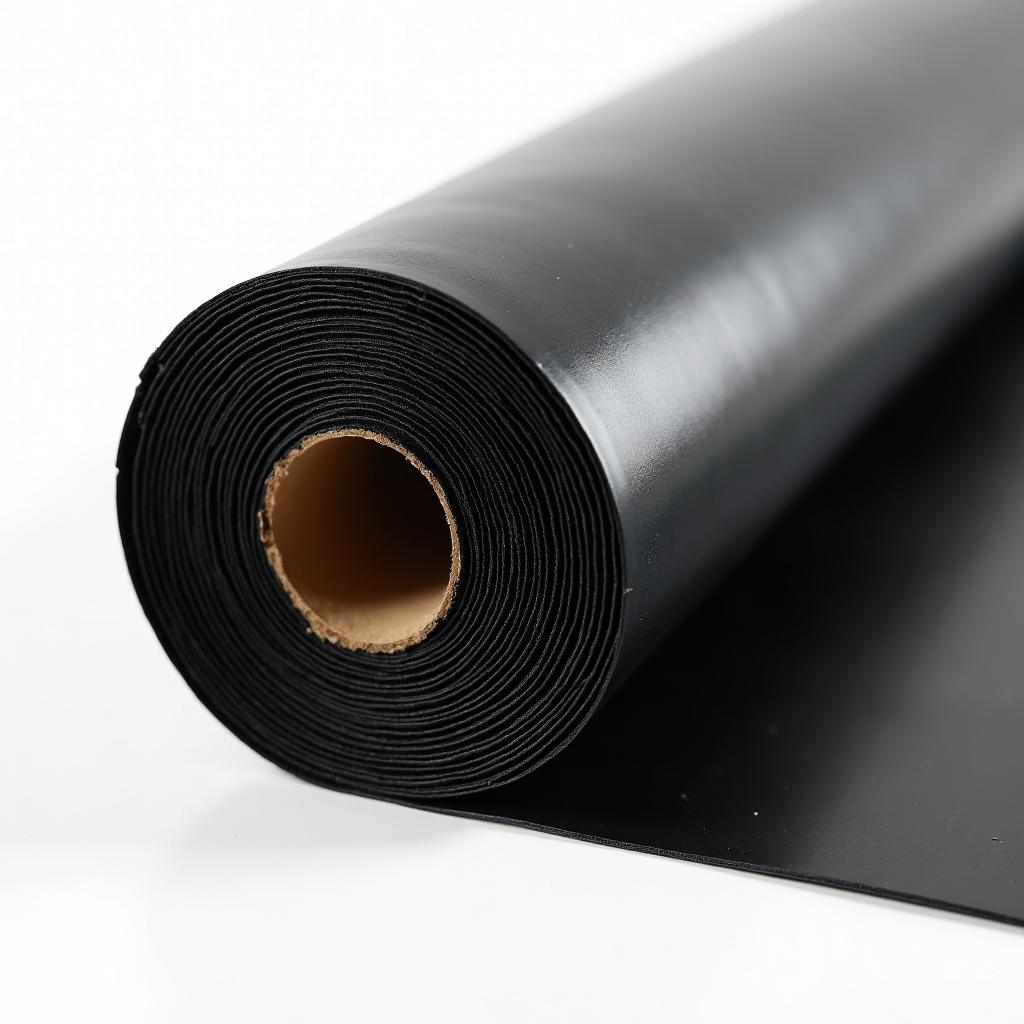
• Weight selection: 2 lb/sf MLV Pro for lane-to-restaurant and lane-to-party room walls; 1 lb/sf MLV Regular for office and storage
• Fire rating: Class A flame spread required for assembly occupancies
• Roll sizes: Large rolls (4' x 25') reduce seams for big wall areas
• Reinforced products: Consider reinforced MLV for ceiling applications
• Fire rating: Class A flame spread required for assembly occupancies
• Roll sizes: Large rolls (4' x 25') reduce seams for big wall areas
• Reinforced products: Consider reinforced MLV for ceiling applications
Wall Application
Proper wall installation ensures specified performance:
• Full coverage: MLV must cover entire wall surface—gaps significantly reduce performance
• Seam treatment: Overlap seams 2" minimum and seal with acoustic caulk
• Perimeter sealing: Continuous acoustic sealant at floor, ceiling, and intersecting walls
• Penetration treatment: Seal around all electrical, plumbing, and HVAC penetrations
• Stud attachment: Staple to studs before finish layer or use construction adhesive
• Seam treatment: Overlap seams 2" minimum and seal with acoustic caulk
• Perimeter sealing: Continuous acoustic sealant at floor, ceiling, and intersecting walls
• Penetration treatment: Seal around all electrical, plumbing, and HVAC penetrations
• Stud attachment: Staple to studs before finish layer or use construction adhesive
Retrofit Applications
Existing bowling centers can improve acoustics without major renovation:
• Surface overlay: MLV applied to existing walls, covered with new drywall
• Ceiling barriers: MLV installed above existing drop ceilings to reduce transmission
• Barrier additions: Free-standing or mounted acoustic barriers between zones
• Targeted treatment: Focus investment on highest-value spaces (party rooms, premium dining)
• Ceiling barriers: MLV installed above existing drop ceilings to reduce transmission
• Barrier additions: Free-standing or mounted acoustic barriers between zones
• Targeted treatment: Focus investment on highest-value spaces (party rooms, premium dining)
Quality Assurance
Ensure installation meets specified performance:
• Complete coverage: Inspect for gaps, especially at penetrations and edges
• Seal integrity: Verify all seams are properly overlapped and sealed
• Door assemblies: Confirm door seals are properly installed and making contact
• Duct paths: Check that ductwork isn't bypassing wall treatment
• Seal integrity: Verify all seams are properly overlapped and sealed
• Door assemblies: Confirm door seals are properly installed and making contact
• Duct paths: Check that ductwork isn't bypassing wall treatment
11Conclusion
Bowling center soundproofing directly impacts the guest experience and revenue performance that determines facility success. Pin crash noise at 100-115 dB peak levels creates challenges for adjacent restaurants, party rooms, and premium areas where guests expect comfortable conversation. Modern bowling entertainment centers generate significant revenue from food and beverage, private events, and VIP experiences—all of which require acoustic treatment beyond what standard construction provides. Mass loaded vinyl has become essential for bowling operators because it blocks the low-frequency pin crash noise that standard walls cannot stop, improves guest satisfaction in revenue-generating spaces, and enables the premium pricing that justifies boutique bowling concepts. Whether renovating an existing center or building new, investing in proper acoustic treatment with appropriate MLV weight (1.1 lb/sf MLV Pro for critical separations, 1 lb/sf MLV Regular for support spaces) pays returns through improved reviews, higher event rebooking rates, and the pricing power that comes from superior guest experience.
FAQs: Bowling Alley Soundproofing
Related Guides in Commercial Soundproofing
Continue exploring with these hand-picked articles
Our Complete Product Line
Professional-grade soundproofing materials for any application
Need Expert Soundproofing Advice?
Our team of soundproofing specialists is here to help you choose the right products and installation methods for your museum or gallery project.