Residential7 min readPublishedUpdated
How to Soundproof a Wall From Noisy Neighbors (2026 Guide)
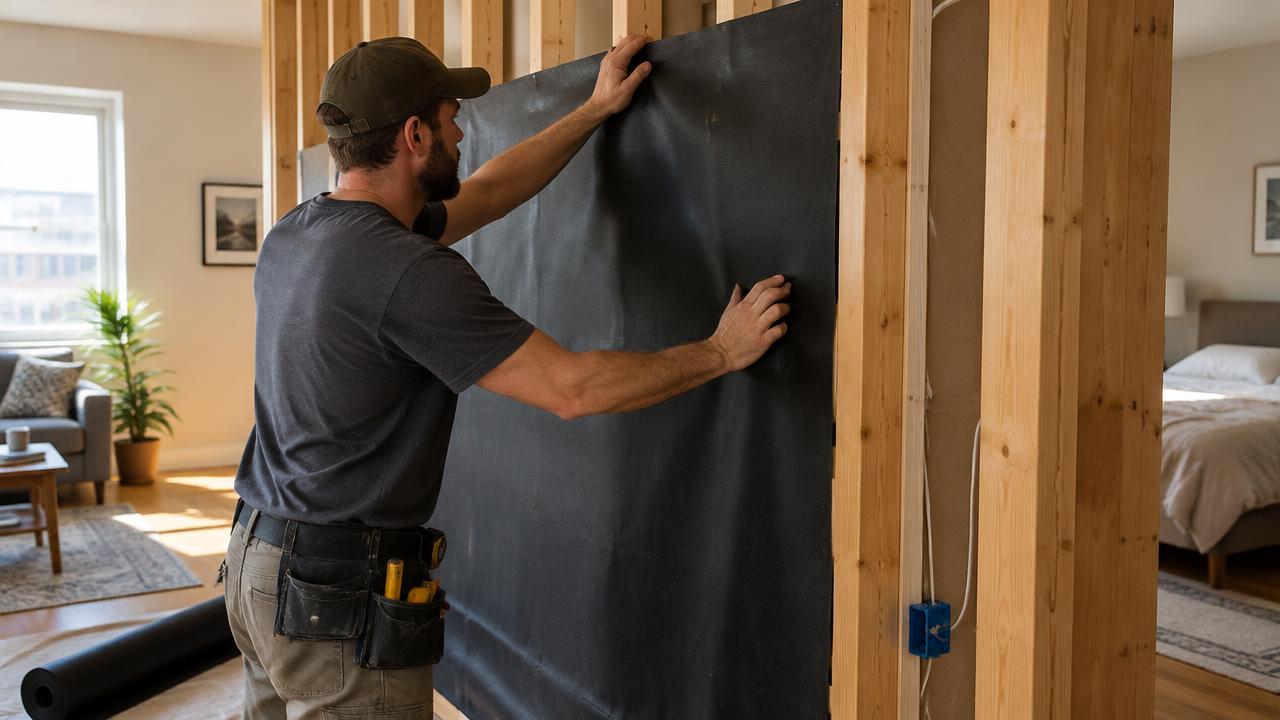
1Why You Can Hear Your Neighbors
Most interior walls are a single layer of 1/2" drywall on each side of wood or metal studs. That assembly is light, and light walls vibrate easily when sound hits them. The vibration passes through the studs and re-radiates on your side as noise.
Sound also leaks through air gaps: outlets placed back-to-back, gaps under baseboards, unsealed top plates, and HVAC openings. Even a small gap can noticeably undo an otherwise solid wall, which is why sealing matters as much as material choice.
2The Fix: Add Mass and Seal the Gaps
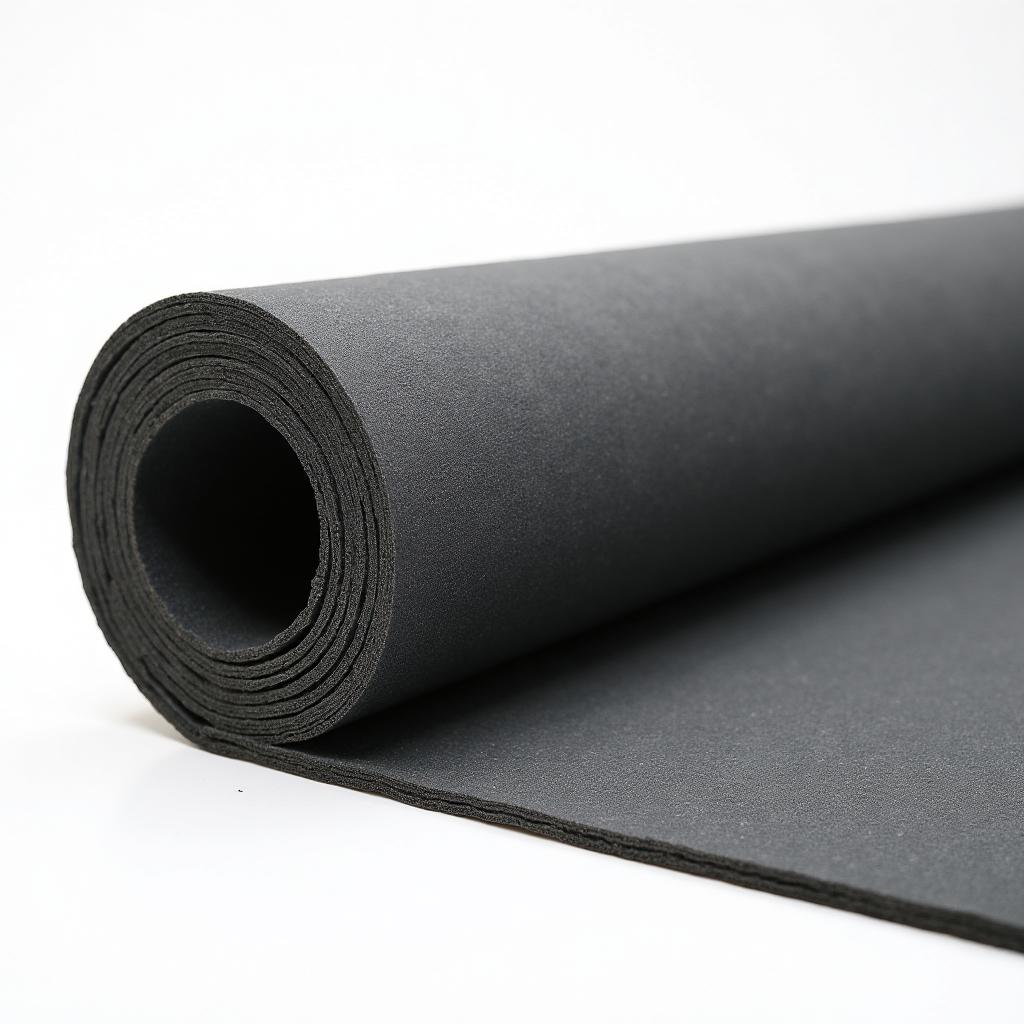
Mass loaded vinyl is a thin, heavy, flexible sheet designed for exactly this job. Because it's limp rather than stiff, it doesn't ring like extra drywall does, and it adds significant mass without eating up room space.
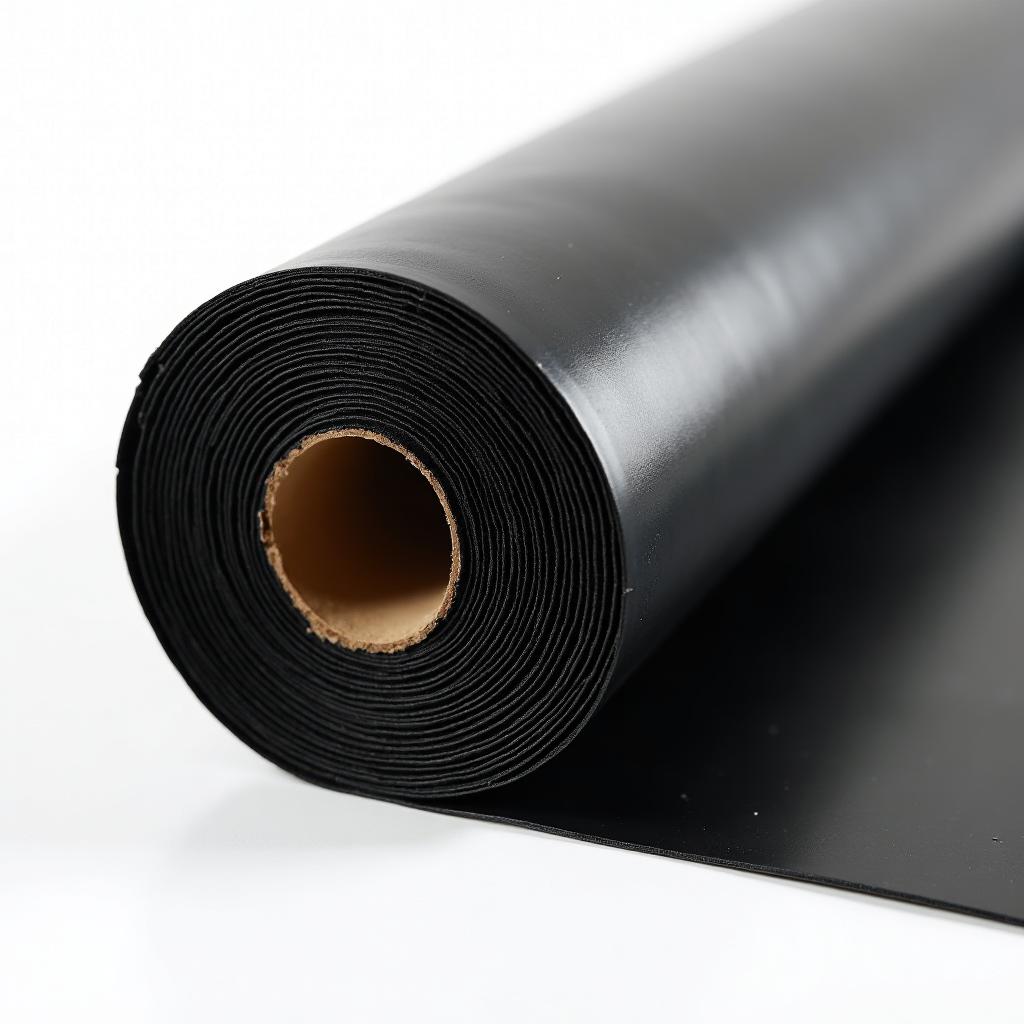
• MLV Regular (1.0 lb/sf, 1/8") – the right choice for most shared walls with voices and TV noise
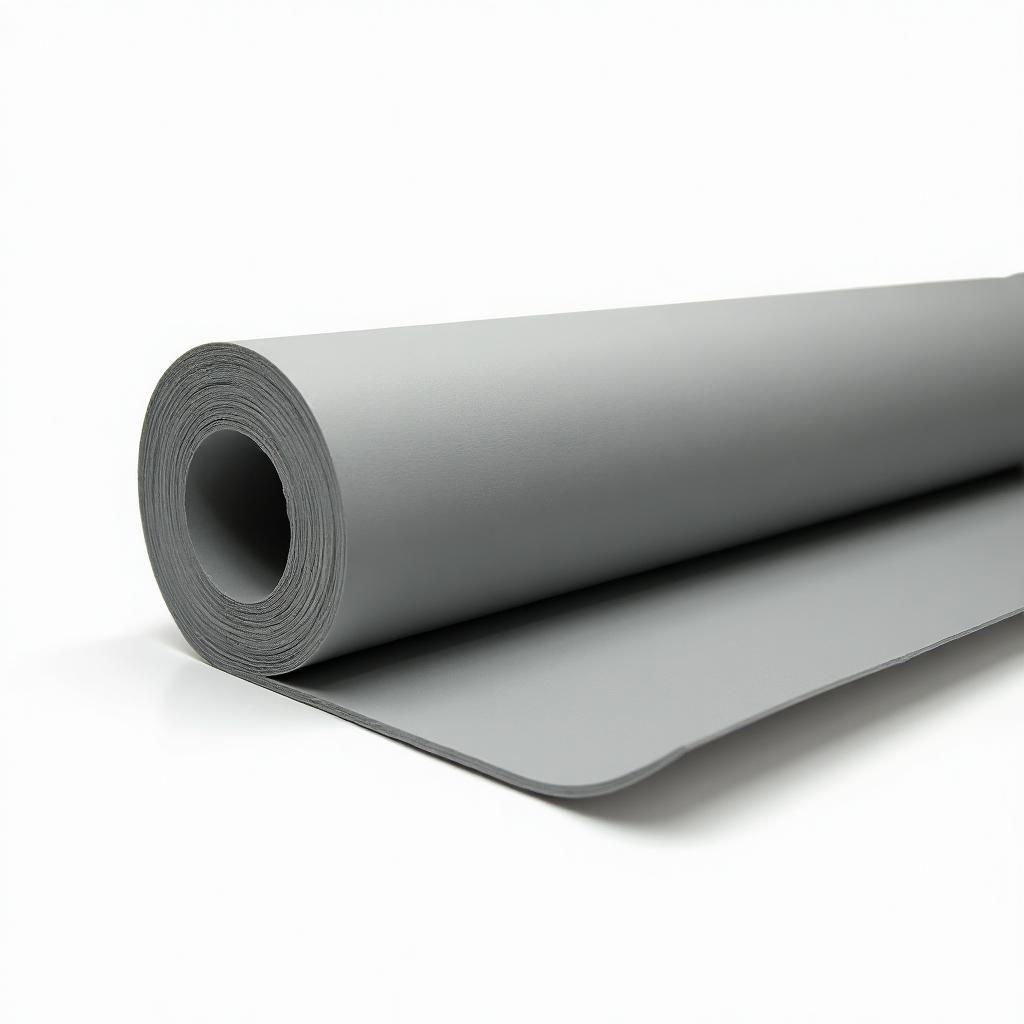
• MLV Pro (1.1 lb/sf, 3/16" scrim-reinforced) – for bass-heavy music, home theaters next door, or when you want maximum performance
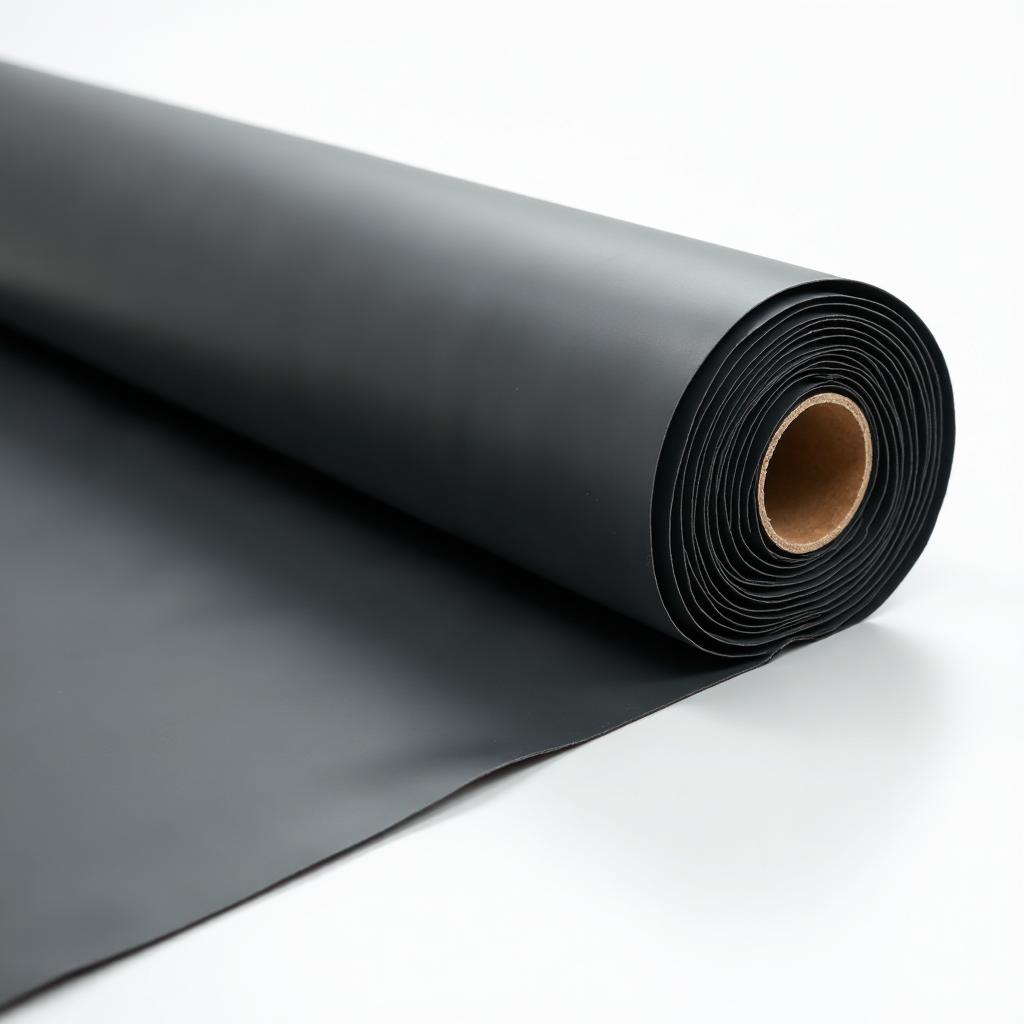
• MLV Lite (0.6 lb/sf, 1/10") – for lighter noise and tight budgets
Pair the MLV with acoustic sealant at every seam, outlet, and perimeter edge. Sealing is cheap and makes the MLV perform the way it should.
3Two Ways to Install It
Option 1 – Open the wall (best results): Remove the drywall on your side, fill the stud cavity with insulation, staple MLV across the studs, tape the seams, then hang new drywall. This gives the biggest improvement.
Option 2 – Over the existing wall (renter-friendly-ish, less mess): Hang MLV directly over the existing drywall, then cover it with a new layer of 1/2" or 5/8" drywall. You lose less than an inch of room depth and skip demolition.
Either way: overlap or tightly butt seams, tape them, cut neat openings for outlets, and seal everything with acoustic caulk. See our full MLV wall installation guide for step-by-step details.
4How Much MLV You Need and What It Costs
Every roll is 4' × 25' (100 sq ft). Measure the wall length × height, divide by 100, and round up. A typical 12' × 8' bedroom wall is 96 sq ft—one roll.
| Product | Best for | Price per roll |
|---|---|---|
| MLV Lite | Light voice noise | $149 |
| MLV Regular | Voices, TV, most homes | $199 |
| MLV Pro | Music, bass, theaters | $279 |
Not sure about the math? Use our MLV coverage guide or call (888) 815-9691 and we'll size it for you.
5Mistakes That Waste Your Money
• Buying foam panels to block neighbor noise (they don't block, they absorb echo)
• Leaving outlets and edges unsealed
• Covering only part of the wall
• Screwing MLV tight and compressing it instead of letting it hang limp
• Ignoring the door and ceiling when noise is also coming from there
6Conclusion
Neighbor noise is a mass and air-gap problem, and it has a straightforward fix. For most shared walls, one or two rolls of MLV Regular plus acoustic sealant will make a dramatic difference. If the noise is bass-heavy music, step up to MLV Pro. Every roll ships direct from our warehouse—order online or call (888) 815-9691 with questions.
FAQs: soundproof wall from neighbors
Related Guides in Residential
Continue exploring with these hand-picked articles
Residential
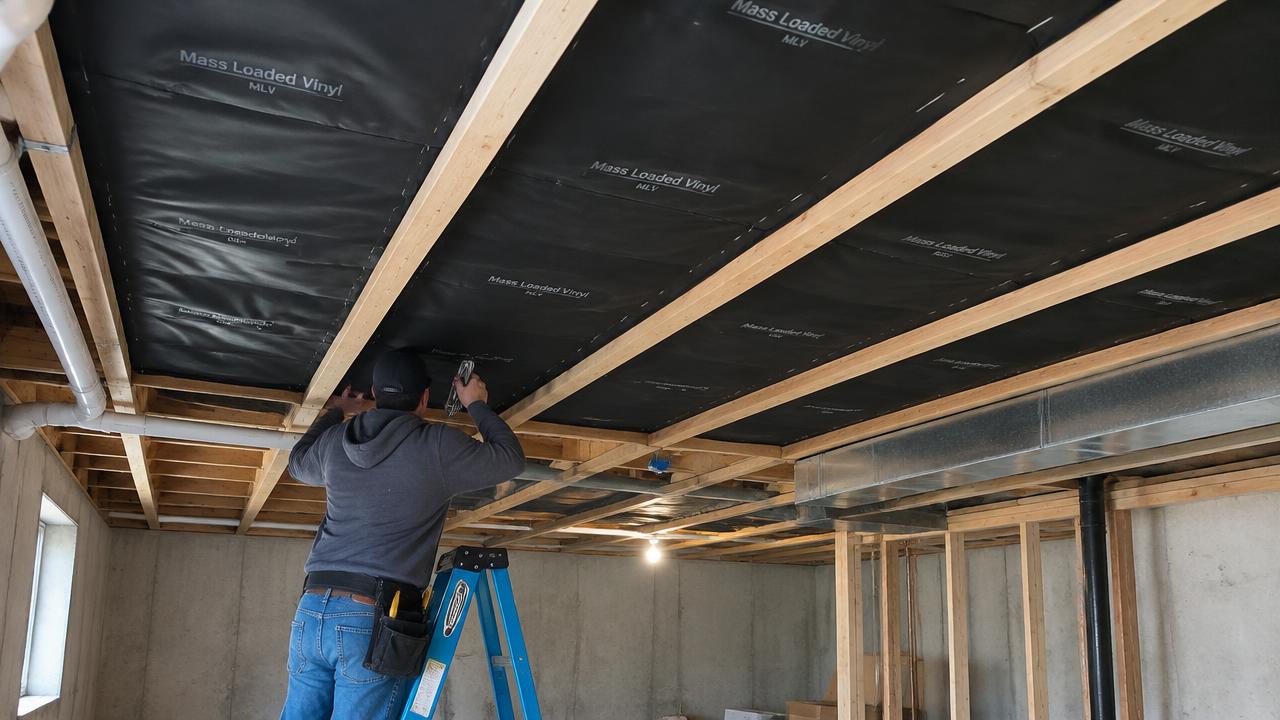
How to Soundproof a Ceiling From Upstairs Noise
Footsteps, voices and TV from the floor above keeping you up? Learn the ceiling upgrade that cuts upstairs noise and which material to buy.
Residential
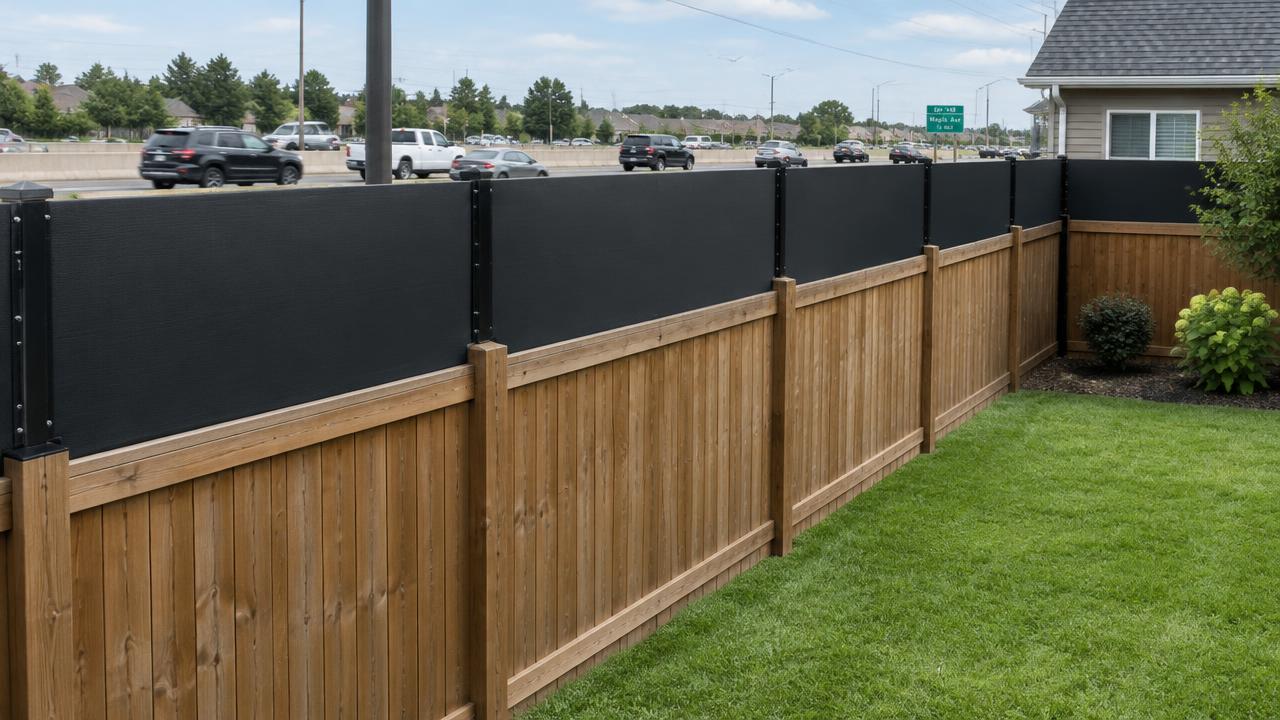
Soundproof Fence: Block Road Noise in Your Backyard With MLV
Highway traffic ruining your patio? See how adding an MLV barrier to your fence cuts road noise—plus heights, coverage and real costs.
Our Complete Product Line
Professional-grade soundproofing materials for any application
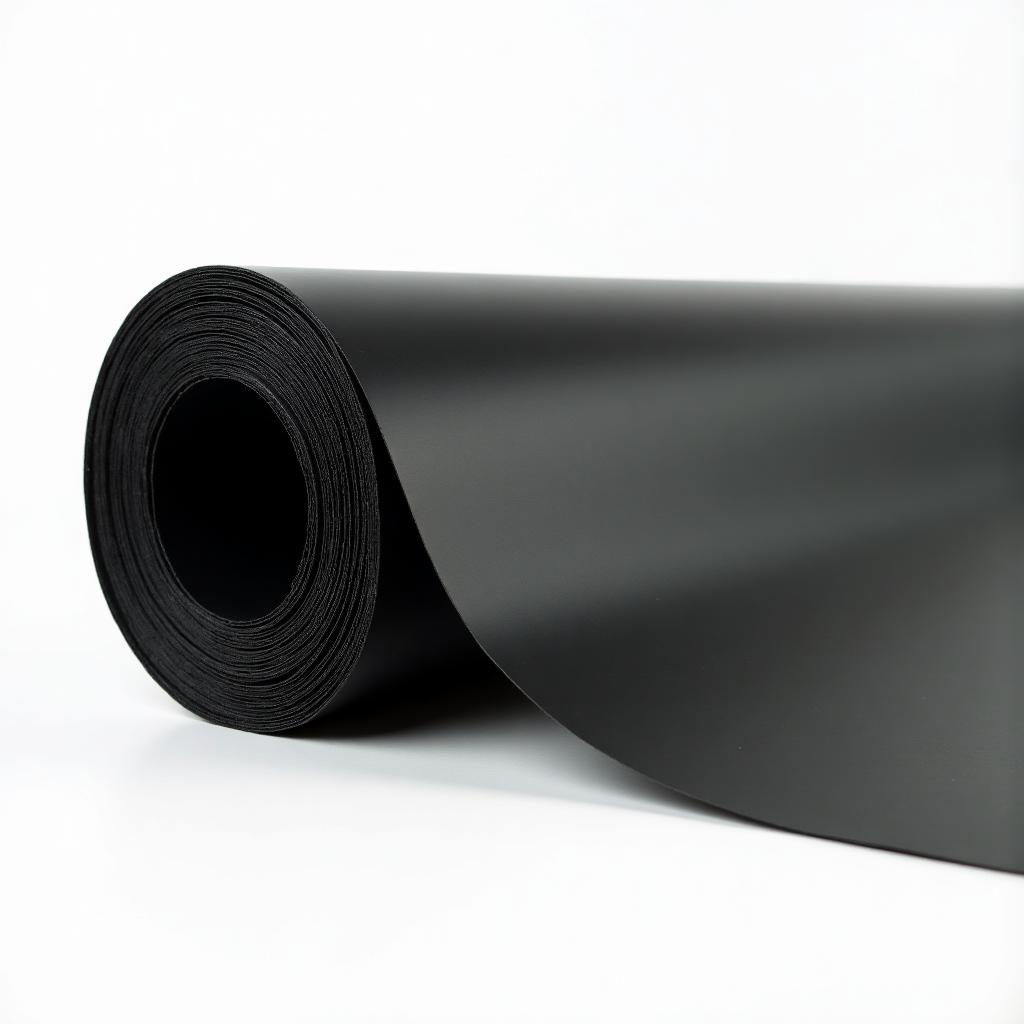
MLV Lite
0.6 lb/sf • 1/10" thick
STC 21
$149
MLV Regular
1 lb/sf • 1/8" thick
STC 26
$199
MLV Pro
1.1 lb/sf • 3/16" thick
STC 26+
$279
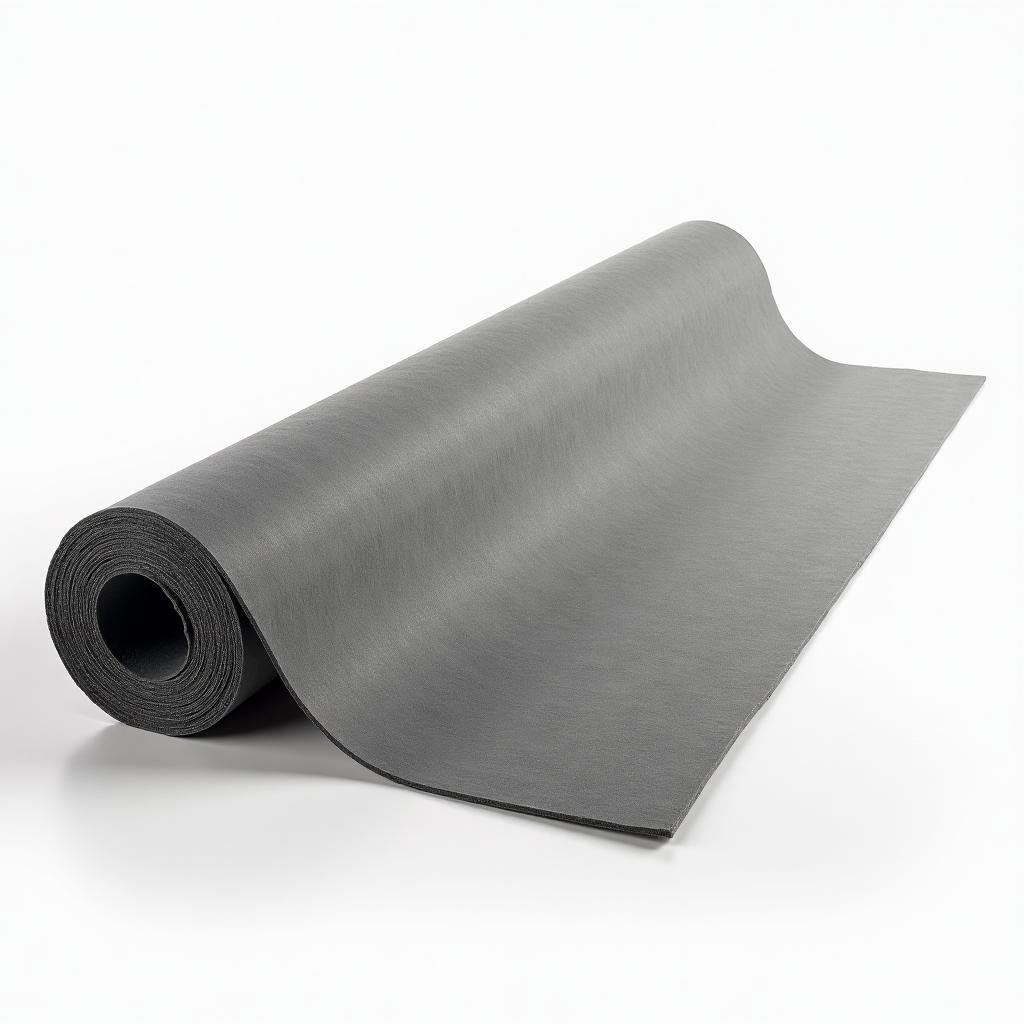
Underlayment Lite
1/10" thick • 0.12 lb/sf
Delta IIC 25
$199
Underlayment Regular
3/16" thick • 0.7 lb/sf
Delta IIC 26
$239
Rubber Floor Sound Mat
2mm-10mm options
Delta IIC 20-26
From $69
Need Expert Soundproofing Advice?
Our team of soundproofing specialists is here to help you choose the right products and installation methods for your museum or gallery project.